
With the continuous advancement of technology, XR (Extended Reality) technology is rapidly developing and penetrating multiple industries, especially in the fields of virtual production and live streaming. The integration of XR technology not only greatly enriches traditional filmmaking and live streaming formats but also drives new interactive experiences and creative methods.
I. XR Virtual Production: Revolutionizing Traditional Filmmaking
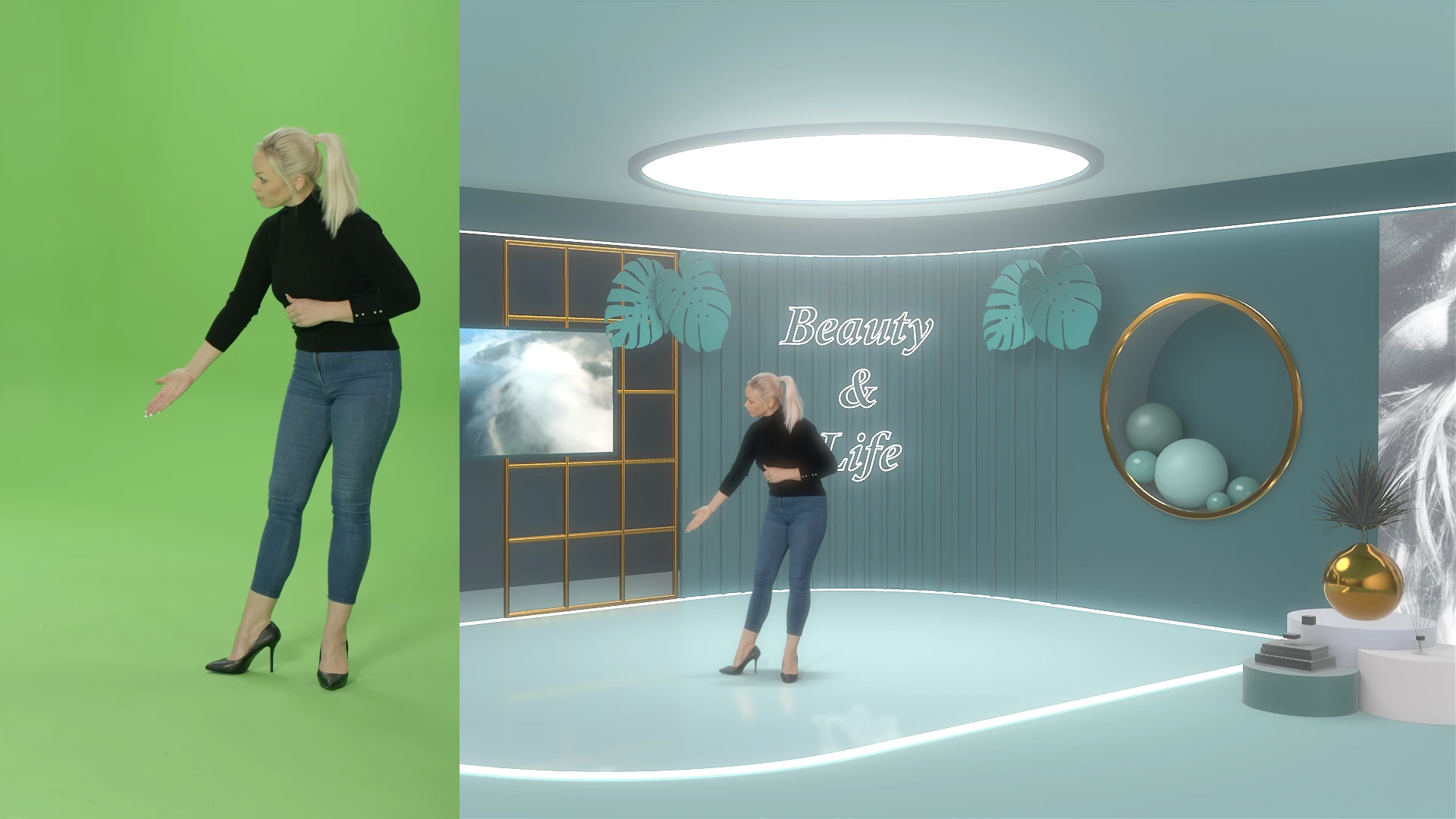
XR Virtual Production (VP) utilizes technologies such as Virtual Reality (VR), Augmented Reality (AR), and Mixed Reality (MR) to create highly immersive film and television works by compositing virtual scenes with live-action footage in real time. Unlike traditional post-production methods, XR Virtual Production allows directors, actors, and production teams to see virtual backgrounds and digital elements in real time during filming, enabling the final image to be created on set.
1 Technical Architecture and Implementation Principles
The core technologies of XR Virtual Production mainly include three key elements: real-time rendering engines, motion capture systems, and high-precision virtual scenes. Real-time rendering engines (such as Unreal Engine, Unity, etc.) provide powerful support for the real-time rendering of virtual backgrounds and digital characters. Motion capture systems use sensors to capture actors' movements and facial expressions, accurately mapping these actions onto virtual characters to ensure natural and smooth performance.
Unlike traditional green screen technology, XR Virtual Production uses high-definition LED screens as backgrounds. These backgrounds can be adjusted in real time according to the shooting progress, even achieving 360-degree panoramic switching. This technological breakthrough blurs the line between the filming set and the virtual world, bringing a brand-new experience to film and television creation.
2 Reshaping the Creative Process
In XR Virtual Production, directors and cinematographers can preview and adjust virtual scenes before shooting, optimizing every detail through real-time feedback in the virtual environment. Actors no longer need to imagine the appearance of the virtual world, as they can intuitively see their characters interacting with the background, thereby enhancing the expressiveness and realism of their performances.
Furthermore, XR Virtual Production not only shortens the production cycle but also significantly reduces costs. Traditional filming requires extensive location shooting and set construction, while XR technology can replace these steps with virtual scenes, thereby reducing the complexity and risks of production.
II. XR Live Streaming: A New Era of Immersive Interaction
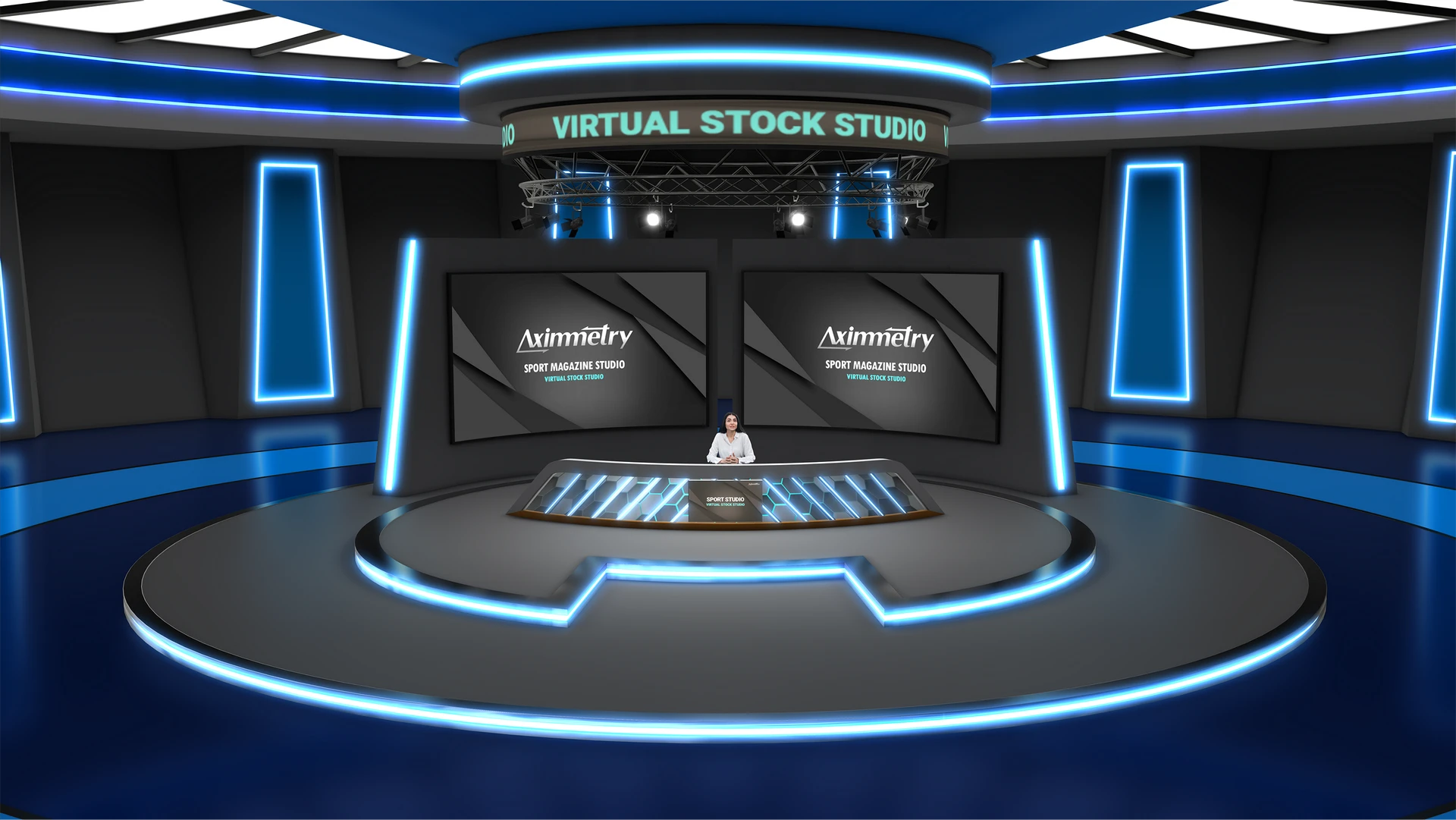
Unlike traditional live streaming, XR Live Streaming transports viewers from a two-dimensional viewing experience into a three-dimensional virtual world. Leveraging XR technology, viewers can not only participate in live interactions through virtual reality devices but also interact in real time with streamers and other viewers within the virtual space, creating a more immersive and engaging live streaming experience.
1 Technical Architecture of XR Live Streaming
The core technologies of XR Live Streaming also include Virtual Reality, Augmented Reality, and real-time rendering. Streamers broadcast using virtual reality devices, with virtual scenes and interactive elements generated by rendering engines and transmitted to viewers in real time. Viewers can enter the virtual space via VR headsets or AR devices, and interactions between viewers and streamers are conveyed through the actions and expressions of virtual characters, greatly enhancing the sense of participation and interactivity.
Through XR Live Streaming, viewers can freely explore the virtual world and engage in “immersive” interactions. For example, viewers can have real-time conversations with streamers, participate in virtual games or competitions, and even collaborate or compete with other viewers within the virtual scene, creating an unprecedented live streaming experience.
2 Industry Applications and Prospects
XR Live Streaming is not limited to the entertainment industry; it also shows great application potential in sectors such as e-commerce, education, and healthcare. For instance, in e-commerce live streaming, consumers can browse products in a virtual mall, even try on virtual makeup or clothes, experiencing a highly immersive shopping method. In the education field, XR Live Streaming can allow students to participate in classroom learning and practice immersively through virtual classrooms and virtual laboratories.
As the technology matures, XR Live Streaming will become an important tool for digital transformation across multiple industries, driving further integration of virtual reality and the real world.
III. Technical Challenges and Future Outlook
Although XR Virtual Production and XR Live Streaming have made significant progress, they still face some technical challenges. First, the high cost of hardware equipment imposes stringent technical requirements on content creators and users. Second, the performance of real-time rendering and network bandwidth are crucial for high-definition and low-latency live streaming experiences, requiring further optimization of the technology.
However, with the proliferation of 5G networks, advancements in computer graphics, and the combination of cloud computing and edge computing technologies, the technical bottlenecks of XR Virtual Production and XR Live Streaming are expected to be resolved in the coming years. We can foresee that in the near future, XR technology will completely transform the landscape of the film production and live streaming industries, bringing richer and more diverse audiovisual experiences to creators and audiences.
XR Virtual Production and XR Live Streaming are not only technological innovations but also a revolution in the development of the media industry. With continuous technological progress and the expansion of application scenarios, XR will become a key driver for future creation and dissemination. For filmmakers, live streaming platforms, and audiences, embracing XR technology is undoubtedly an important step towards the future of the media era.

 简体中文
简体中文  English