
XR live streaming (Extended Reality live streaming) is an innovative format that combines augmented reality (AR), virtual reality (VR), and mixed reality (MR) technologies with live content. It merges the virtual and real worlds, allowing audiences to experience immersive and interactive live content through various devices (such as smartphones, head-mounted displays, etc.). XR live streaming has become a future development direction in multiple fields, including broadcasting, entertainment, sports events, and corporate events.
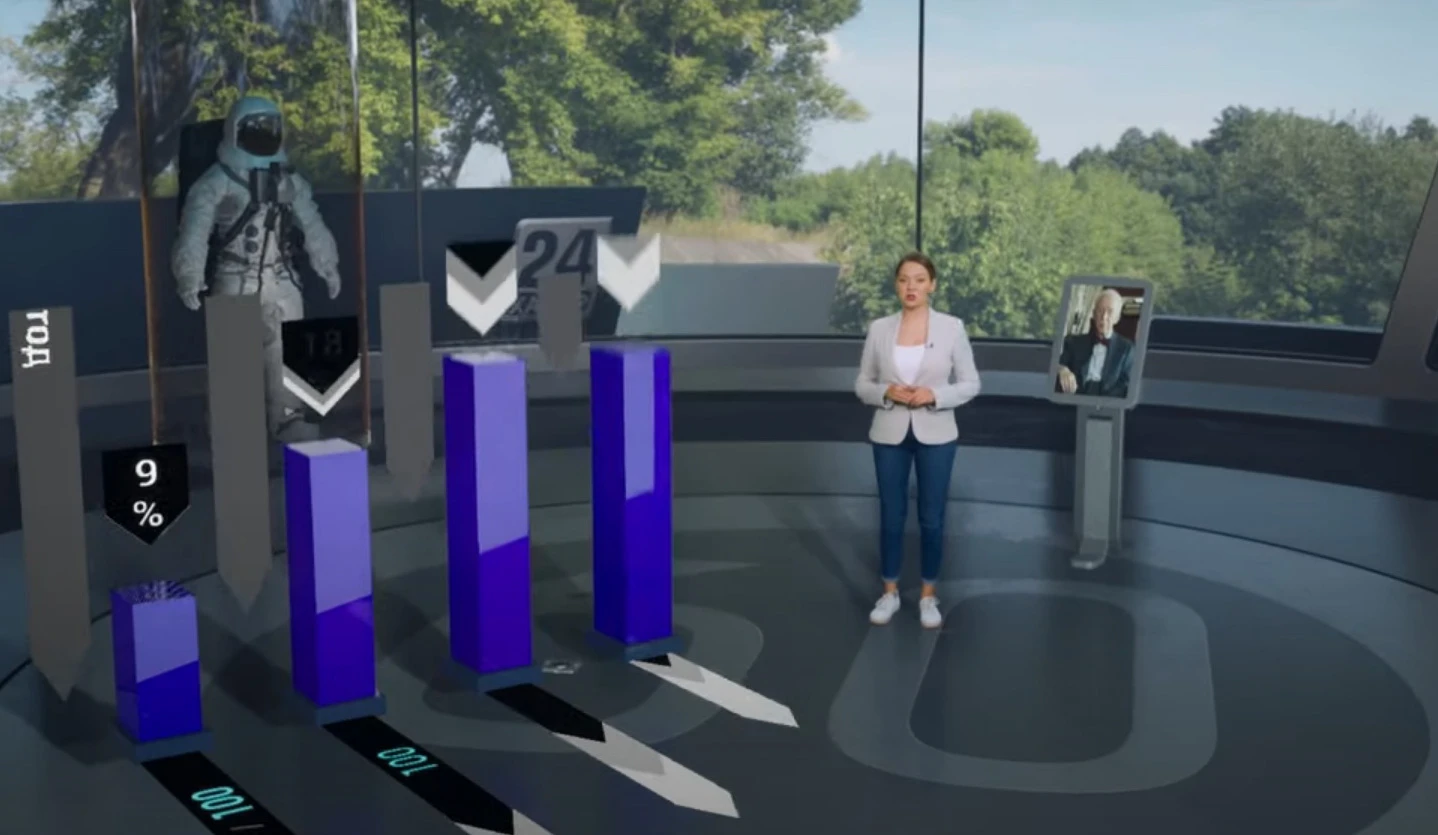
The following is a detailed introduction to XR live streaming, including its definition, technical background, application scenarios, advantages, challenges, and future trends.
Definition of XR Live Streaming
XR live streaming refers to a form of live streaming that utilizes AR, VR, and MR technologies for real-time content creation and transmission. XR technology expands the perception of the real world by combining virtual elements with real-world scenes, creating a more immersive and interactive live streaming experience.
- AR (Augmented Reality): Overlays virtual elements (such as images, sounds, videos, animations, etc.) onto the real-world view, enhancing the user's perception of the real environment. Commonly found in devices like smartphones and AR glasses.
- VR (Virtual Reality): Uses computer-generated virtual environments to fully immerse users, typically requiring a head-mounted display (HMD). Users interact with the virtual environment to experience a panoramic virtual world.
- MR (Mixed Reality): Combines elements of AR and VR, not only embedding virtual objects into the real world but also allowing virtual objects to interact with the real world. MR devices like the Microsoft HoloLens are representative of this application.
Core Technologies of XR Live Streaming
XR live streaming is not just live streaming; it integrates multiple cutting-edge technologies. Below are some core technologies and concepts:
Computer Vision and Depth Perception
- Depth Cameras and Sensors: Use depth cameras, sensors, and other devices to capture real-time spatial data, creating interaction between virtual environments and the real environment. For example, using LiDAR sensors to generate high-precision spatial images.
- Motion Capture Technology (MoCap): Captures the movements of actors, hosts, or athletes via cameras, sensors, or wearable devices, and maps them onto virtual characters or scenes.
Real-Time Rendering and Graphics Processing
- Real-Time Image Compositing and Rendering: Real-time compositing of virtual and real scenes is one of the core technologies of XR live streaming. Dynamic compositing of virtual and real elements is achieved through powerful computer graphics technologies (such as Unreal Engine or Unity3D).
- Graphics Acceleration and Hardware Support: High-performance graphics cards (such as the NVIDIA RTX series) and hardware acceleration are key to achieving smooth XR live streaming effects. Real-time rendering and high-quality visuals demand high hardware performance.
Data Transmission and Low-Latency Technology
- Low-Latency Transmission: XR live streaming requires low latency from capture to transmission, especially during virtual live events and real-time interaction. The application of 5G networks can significantly improve data transmission speed and reduce latency, providing more stable network support for XR live streaming.
- High Bandwidth Requirements: Since XR content typically includes high-quality graphics and video streams, it demands higher bandwidth. Especially in panoramic video and high-resolution virtual scenes, a stable network connection is key to ensuring a smooth experience.
Virtual/Real Interaction
- Gesture Recognition and Voice Control: Users can interact with the virtual environment through gesture control, voice commands, and other methods. Combined with sensors and deep learning algorithms, XR live streaming can perceive and respond to user actions and voice instructions.
- Virtual Character and User Interaction: Hosts or presenters can interact with the audience through virtual characters, enhancing the immersion of the live stream.
XR Content Creation and Live Streaming Tools
- Virtual Studio and Compositing Technology: Uses virtual studio technology to place hosts or guests in a fully virtual background for live streaming. For example, through blue screen technology or virtual background technology, the person's image is composited with the background in real time, creating a more natural and immersive experience.
- Cross-Platform Support: XR live streaming can support multiple devices, such as smartphones, VR headsets, AR glasses, etc., allowing users to choose their device for viewing based on their needs.
Application Scenarios of XR Live Streaming
Entertainment and Sports Live Streaming
- Virtual Sports Events: Present sports events through XR technology, allowing viewers to “attend” the scene in a virtual environment, even interact and choose different viewing angles to watch the game.
- Concerts and Live Performances: Through XR live streaming technology, concerts are no longer limited by venue constraints. Viewers can enjoy an immersive music experience at home using VR headsets and feel the live atmosphere.
Virtual Studio and Broadcasting
- Traditional TV programs can be innovated through XR live streaming technology. For example, virtual hosts, virtual backgrounds, etc., can enhance program effects and increase viewer immersion.
- Enhanced Real-Time Interaction: Viewers are not just passive content recipients; they can also participate in the program through gestures, voice, and other interactive methods.
Corporate Events and Product Launches
- Virtual Meetings: In corporate events, XR live streaming can conduct global online events or product launches through virtual studios or virtual meeting spaces, breaking geographical limitations.
- Digital Exhibitions and Experiences: Create virtual exhibition halls and product experience spaces through XR technology, allowing viewers to experience products virtually, even perform simulated operations.
Education and Training
- Remote Education: XR live streaming allows students to participate in courses in real time in a virtual classroom, interact with instructors, and learn in a more immersive way.
- Simulation Training: Use VR and MR technologies for simulation training in high-risk operations, military training, or medical surgeries, providing a safer and more realistic training experience.
E-commerce and Virtual Shopping
- Virtual Shopping Experience: Through XR technology, consumers can try on clothes, view products in a virtual world, interact with merchants, and even make real-time purchases.
- Virtual Fashion Shows: Brands use XR technology to host virtual fashion shows, allowing viewers to watch the latest season's clothing displays in a virtual space, interact, and make purchases.
Advantages of XR Live Streaming
Immersion
XR live streaming provides viewers with a highly immersive experience, breaking the limitations of traditional live streaming and allowing viewers to feel the fusion of virtual scenes and the real world as if they were there.
Interactivity
XR live streaming is not just about content viewing; it also allows viewers to participate, interact, control perspectives, influence scenes, etc. The strong interactivity enhances the viewer's sense of participation and experience.
No Geographical Limitations
XR live streaming allows viewers worldwide to watch the same virtual or augmented reality environment over the network, breaking through geographical location restrictions. Viewers can participate in events in real time from anywhere.
Innovation and Differentiation
For brands, content creators, and media companies, XR live streaming offers new creative methods and communication channels, enhancing brand innovation and differentiation, and attracting more viewers.
Challenges Faced by XR Live Streaming
High Cost
The technical threshold and equipment requirements for XR live streaming are high, with related hardware, software, and development costs being significant. Although technology is becoming more widespread, high-quality XR content still requires substantial investment.
Technical Complexity
XR live streaming involves multiple high-tech fields, including computer vision, real-time rendering, sensor technology, low-latency data transmission, etc. Achieving high-quality XR live streaming requires a professional technical team.
Network Requirements
XR live streaming has high demands on network bandwidth and latency, especially when involving real-time interaction, high-definition images, and panoramic video, requiring higher network stability and bandwidth.
User Device Limitations
Although XR technology continues to develop, not all users have high-end XR devices (such as VR headsets or AR glasses). Therefore, the popularity of XR live streaming is somewhat limited, and some viewers cannot enjoy the best experience.
Future Trends of XR Live Streaming
- 5G Technology Adoption: The widespread adoption of 5G networks will further reduce latency and bandwidth requirements for XR live streaming, enhancing user experience. Low latency and high bandwidth are crucial for the transmission of XR content.
- Hardware Optimization and Popularization: With technological development and cost reduction

 简体中文
简体中文  English