
With the rapid advancement of technology and consumers' growing desire for higher interactivity and immersion, Extended Reality (XR) technology is rapidly emerging as a core driving force for innovation in content creation and user experience. In the live streaming industry, XR technology not only drives the evolution of existing models but also expands the boundless possibilities for future development.
I. Definition and Current State of XR Technology
XR technology, as an umbrella term for Virtual Reality (VR), Augmented Reality (AR), and Mixed Reality (MR), merges the physical and digital worlds, offering users a new immersive experience. With the proliferation of hardware and the maturation of software, XR technology has demonstrated strong application potential across multiple industries, and the live streaming industry is no exception.
II. Application Prospects of XR Technology in Live Streaming
Enhancing Audience Experience and Interaction
Immersive Scene Construction: XR technology can enrich real environments with virtual elements, allowing audiences to feel as if they are on-site, no longer confined to traditional two-dimensional screens. This three-dimensional spatial construction provides audiences with deeper visual enjoyment and experiential perception.
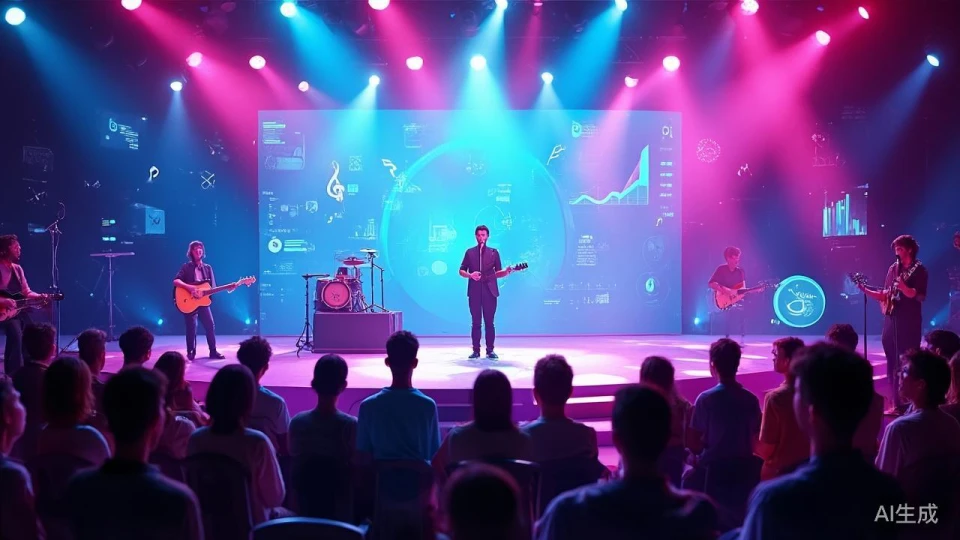
Enhancing Audience Interaction: AR technology enables audiences to interact in real-time with virtual objects in live streams via smart devices. For example, in a concert live stream, audiences can interact with virtual elements on stage through gestures or voice, greatly enhancing engagement and experience stickiness.
Innovating Live Streaming Content and Formats
Seamless Multi-Scene Switching: Through XR technology, live streams can achieve seamless transitions between different scenes, enriching content layers. For instance, a game live stream can not only display gameplay but also embed players' real-time reactions and environment via MR elements, creating a more immersive viewing experience.
Dynamic Data Visualization: XR technology can embed data into live stream content in vivid ways, such as match statistics or audience analytics, presenting information more intuitively and improving audience understanding and participation.
Optimizing Business Models and Monetization Mechanisms
Enhancing User Stickiness and Brand Loyalty: Immersive experiences not only increase user dwell time but also strengthen brand loyalty. Through customized XR experiences, brands can better establish emotional connections with users, boosting brand influence.
Diversified Commercial Monetization Channels: Live streaming platforms can create new monetization methods through XR technology, such as AR-based virtual gifts, brand placements, and interactive ads, offering richer business opportunities.
Driving Innovation in Technology and Standards
Advancement of Hardware and Network Infrastructure: XR demands high hardware performance and network bandwidth, driving the development of related technology ecosystems. The proliferation of 5G and advances in computer graphics technology have laid the foundation for the widespread application of XR in live streaming.
Establishing Industry Standards: As XR technology becomes more widely adopted, the definition and standardization of industry norms will further promote its diffusion, providing unified development and operational guidelines for all participants.
III. Challenges and Outlook
Although XR technology holds broad application prospects in the live streaming industry, it still faces numerous challenges, such as the cost of hardware adoption, complexity of content production, and privacy security issues. To address these, efforts should focus on improving technology accessibility, supporting content creativity, and strengthening user data protection to gradually overcome these barriers.
Conclusion
The introduction of XR technology is sparking a profound transformation in the live streaming industry. It not only enriches the forms of content presentation but also brings new user experiences and commercial value. As a disruptive innovation force, XR technology will occupy an increasingly important position in the future of live streaming, becoming a key engine driving sustained industry growth and innovation.

 简体中文
简体中文  English