

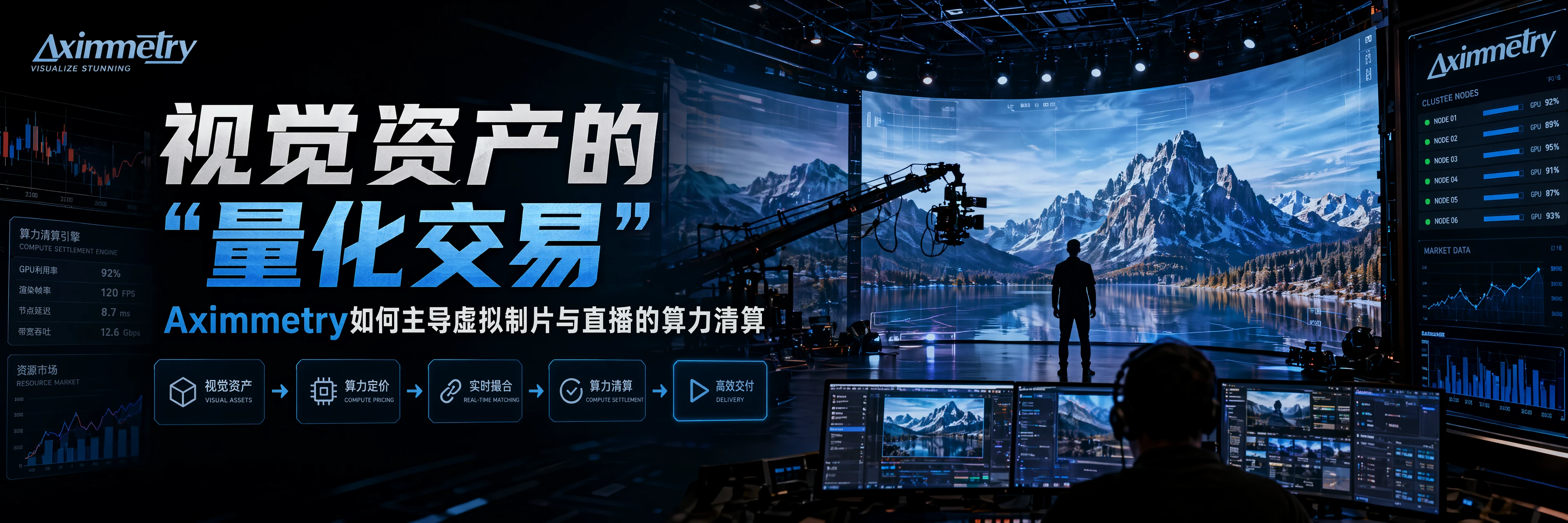

If you've ever tried using your phone to shoot a TV screen at home, or an outdoor LED billboard by the roadside, you've likely captured some eerie footage: slowly moving black scanlines across the screen, or strange flickering and tearing in the image.

Throughout the history of theater and film, humanity has made countless brilliant attempts to create “infinite space” on a limited stage. From the perspective paintings of ancient Greek theaters, to the hand-painted backdrops of Hollywood's Golden Age, to today's XR (Extended Reality) virtual production.
In front of every monitor in an XR virtual studio, pairs of highly vigilant eyes are fixed.
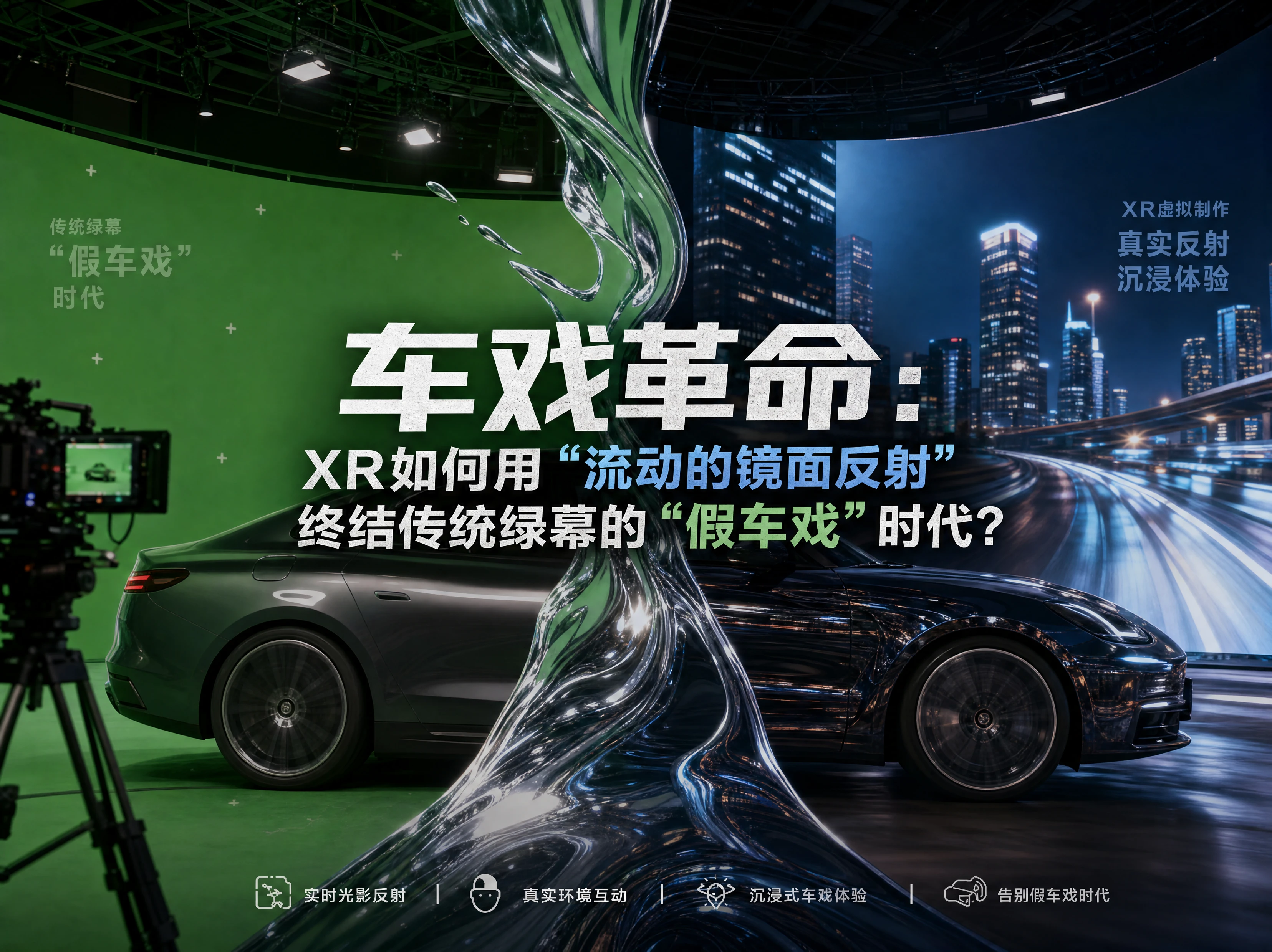
In Hollywood and the global film industry, there is one classic scene universally acknowledged as the most torturous for directors and VFX supervisors—the car scene.

When *The Mandalorian* sparked the first wave of XR virtual production in 2020, the technical hero behind the scenes was Unreal Engine 4. Yet, the set was still shrouded in a hidden anxiety.
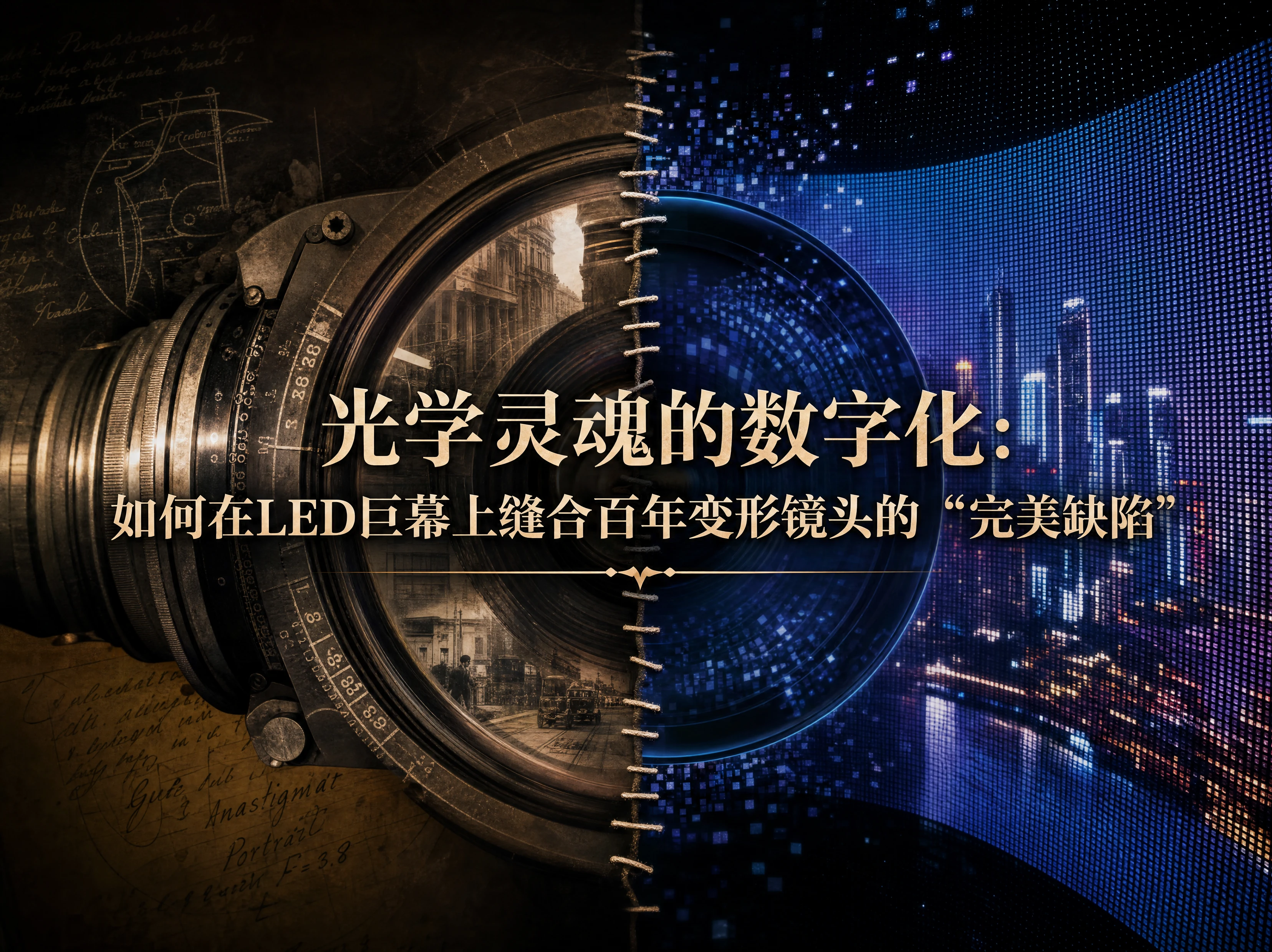
In the world of cinematography, there exists an almost religious aesthetic reverence—the anamorphic lens.
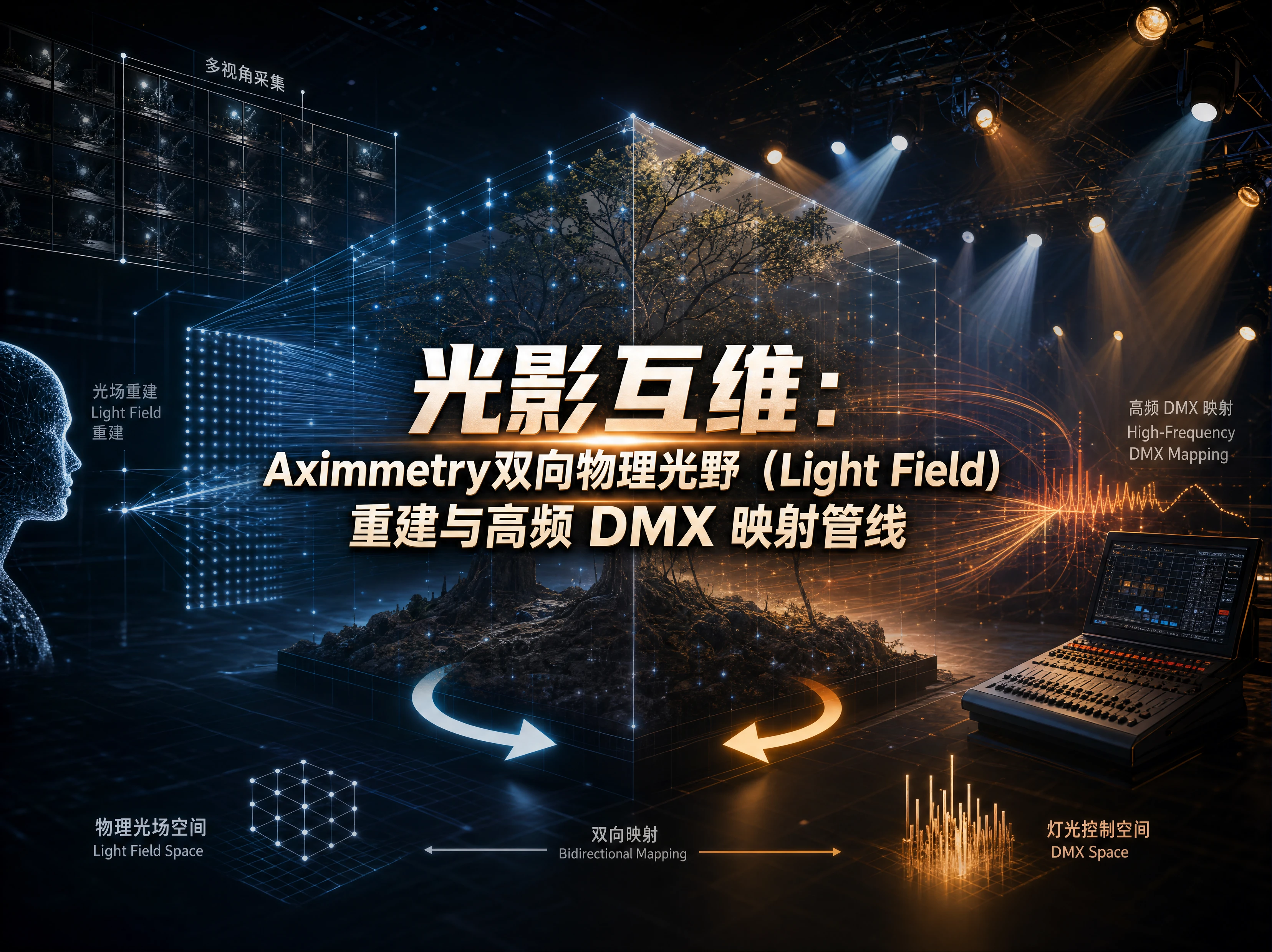
On the set of Extended Reality (XR) and LED Virtual Production (ICVFX), to make the audience completely lose perception of the “virtual-real boundary,” beyond geometric spatial alignment, the more advanced and challenging physical hurdle lies in “Photometric Consistency.”

On the set of ultra-large LED virtual production (ICVFX) and immersive giant screen stages, the computing power of a single GPU often falls short when faced with massive pixel counts.
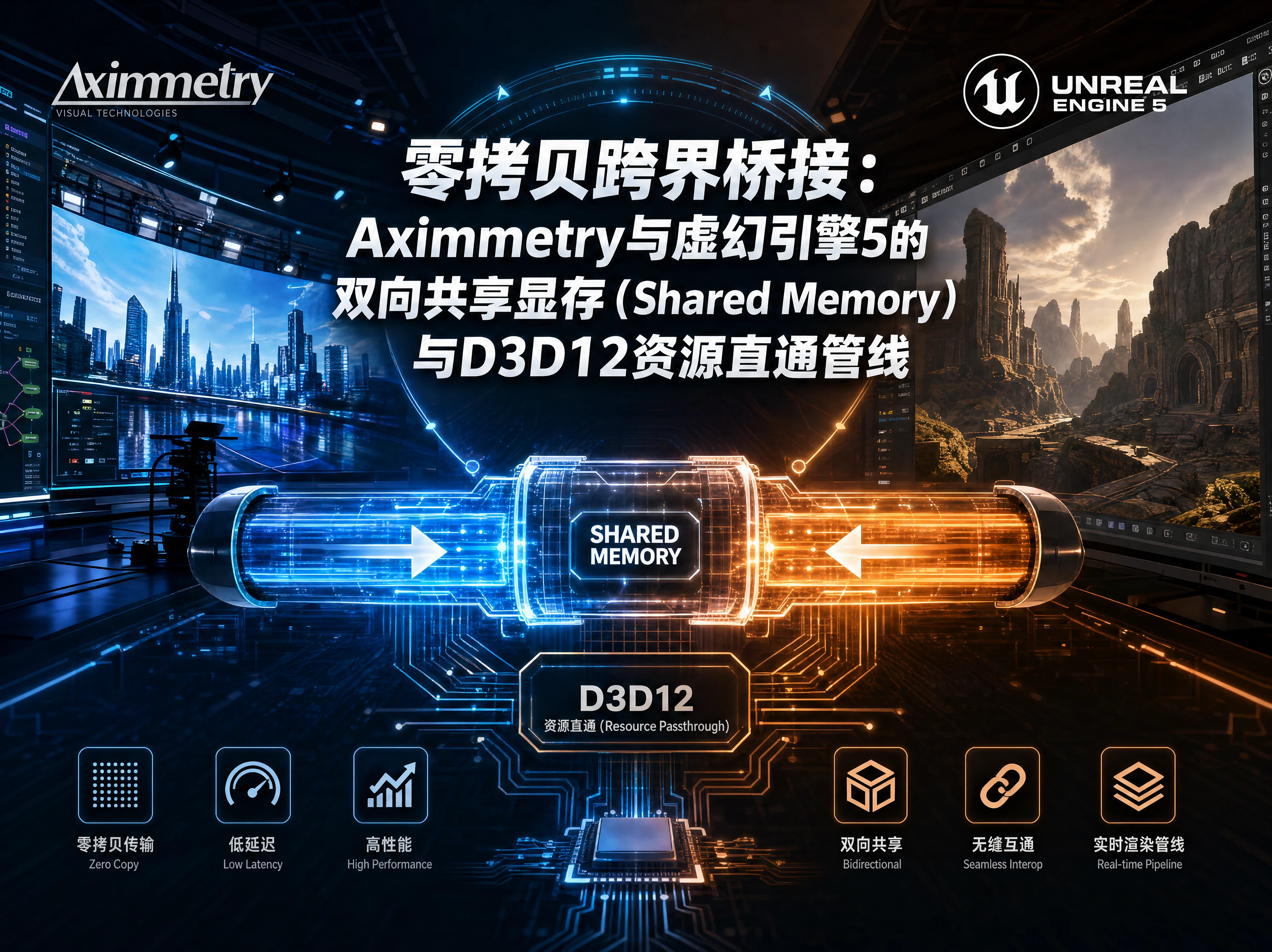
In the technical architecture of modern Mixed Reality (MR) and Virtual Production (ICVFX), “multi-engine collaboration” is an inevitable choice for achieving ultimate image quality and industrial-grade broadcast reliability.
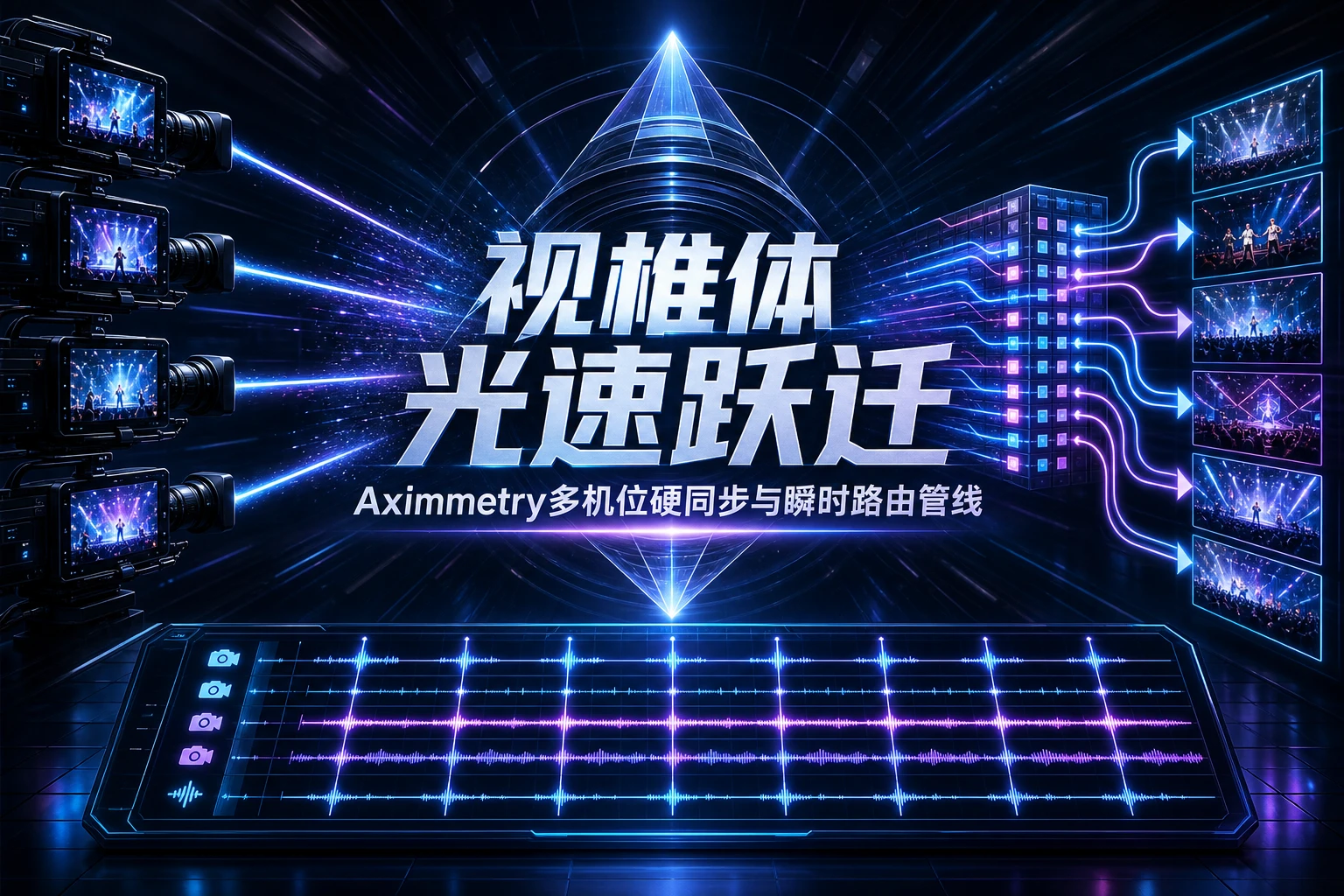
In the industrial-grade setting of Extended Reality (XR) and LED Virtual Production (ICVFX), “Multi-Camera Shooting” is an absolute necessity for improving production efficiency and capturing multi-angle action.
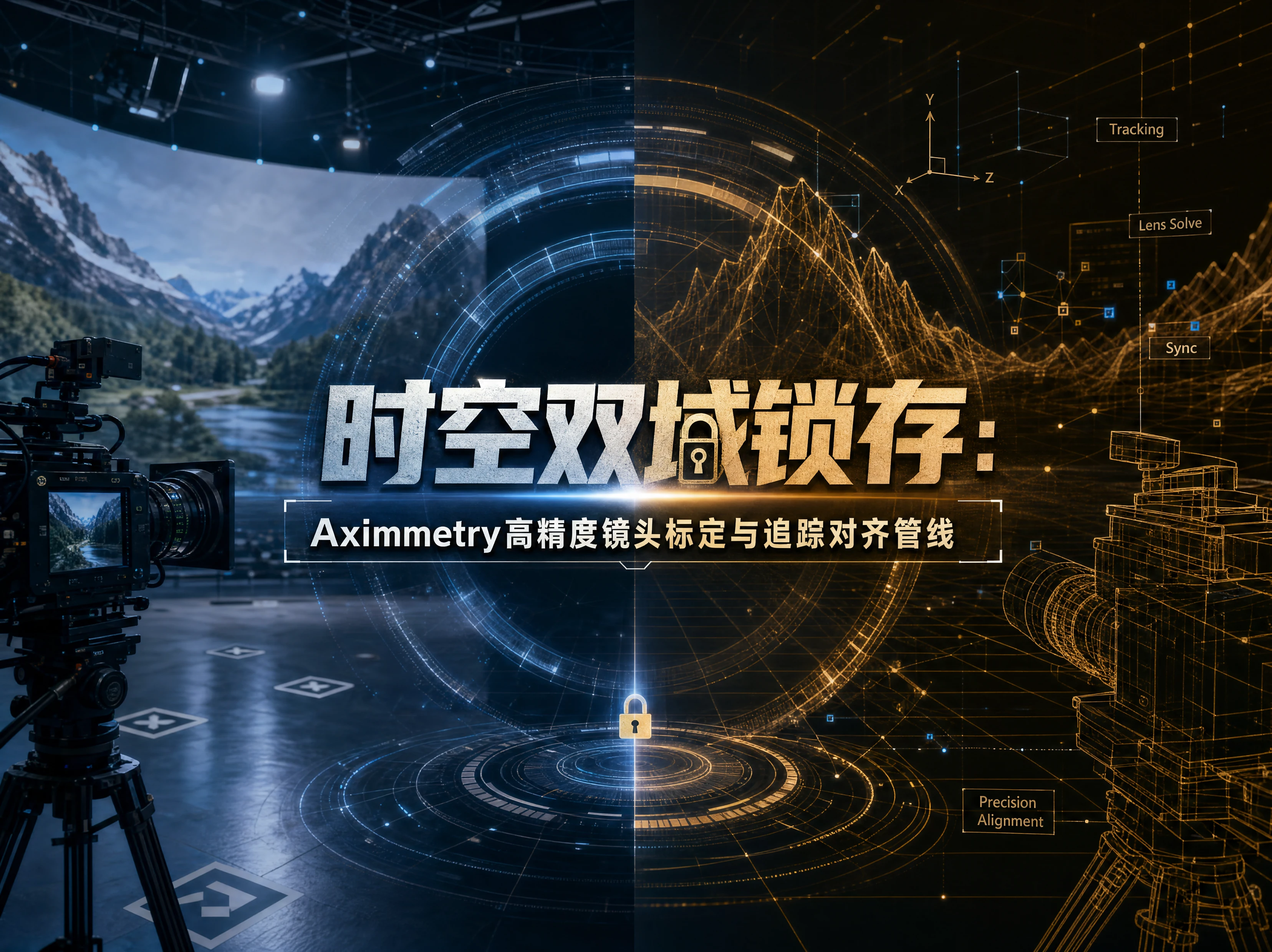
In industrial-grade production of virtual production (ICVFX) and extended reality (XR), the “Camera Tracking System” serves as the absolute link between the virtual and real worlds.
In the compositing of green screen or blue screen virtual studios, the gold standard for determining whether a live-action actor truly “integrates” into the virtual 3D world is not how clean the keying is, but the shadow cast by the actor on the virtual ground (Real-time Virtual Shadow Casting).
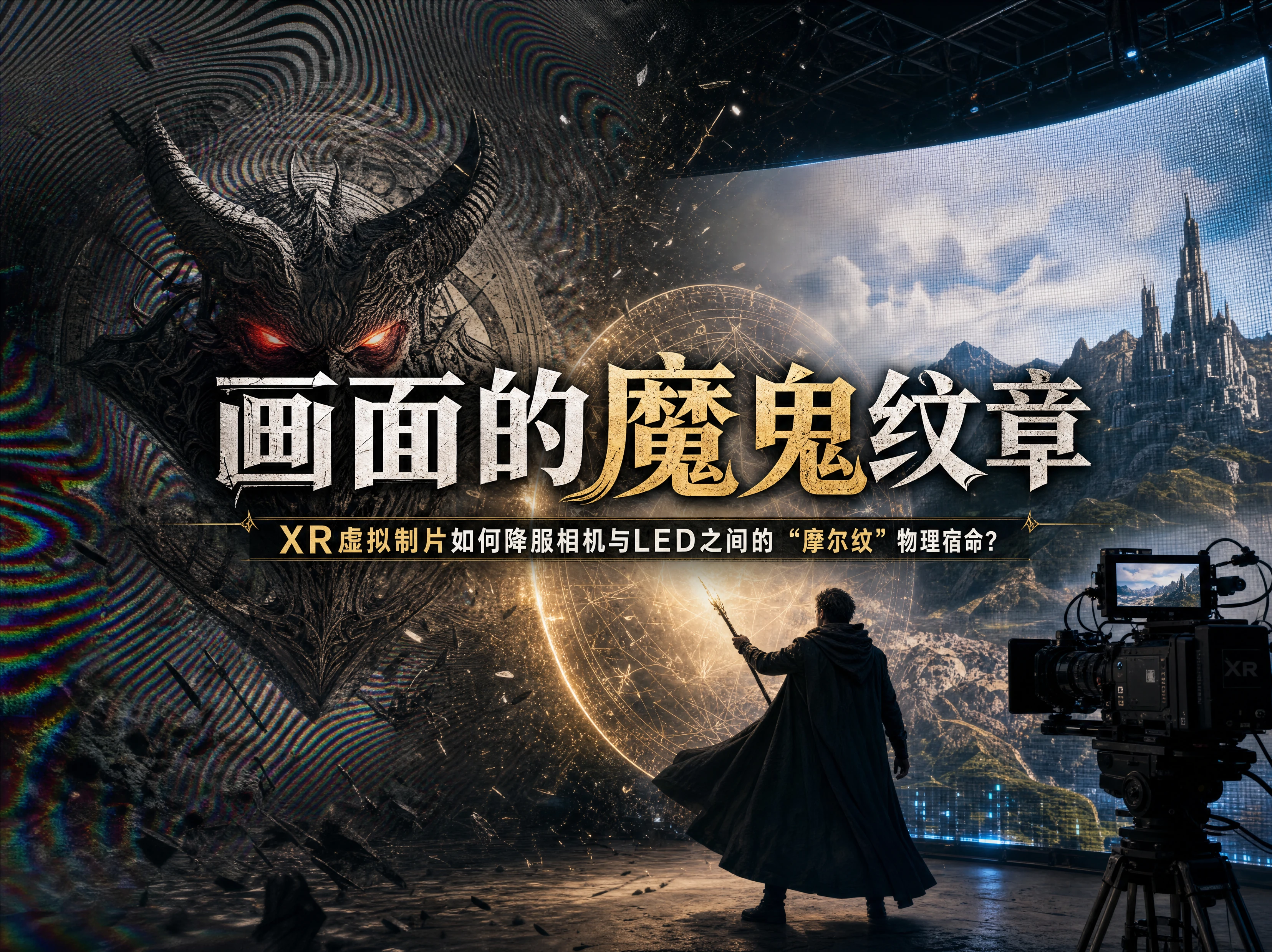
If you've ever tried using your phone to shoot a TV screen at home, or an outdoor LED billboard by the roadside, you've likely captured some eerie footage: slowly moving black scanlines across the screen, or strange flickering and tearing in the image.
On the set of Extended Reality (XR) and LED Virtual Production (ICVFX), to make the audience completely lose perception of the “virtual-real boundary,” beyond geometric spatial alignment, the more advanced and challenging physical hurdle lies in “Photometric Consistency.”
Throughout the history of theater and film, humanity has made countless brilliant attempts to create “infinite space” on a limited stage. From the perspective paintings of ancient Greek theaters, to the hand-painted backdrops of Hollywood's Golden Age, to today's XR (Extended Reality) virtual production.
On the set of ultra-large LED virtual production (ICVFX) and immersive giant screen stages, the computing power of a single GPU often falls short when faced with massive pixel counts.
In front of every monitor in an XR virtual studio, pairs of highly vigilant eyes are fixed.
In the technical architecture of modern Mixed Reality (MR) and Virtual Production (ICVFX), “multi-engine collaboration” is an inevitable choice for achieving ultimate image quality and industrial-grade broadcast reliability.
In Hollywood and the global film industry, there is one classic scene universally acknowledged as the most torturous for directors and VFX supervisors—the car scene.
In the industrial-grade setting of Extended Reality (XR) and LED Virtual Production (ICVFX), “Multi-Camera Shooting” is an absolute necessity for improving production efficiency and capturing multi-angle action.
When *The Mandalorian* sparked the first wave of XR virtual production in 2020, the technical hero behind the scenes was Unreal Engine 4. Yet, the set was still shrouded in a hidden anxiety.
In the world of cinematography, there exists an almost religious aesthetic reverence—the anamorphic lens.
In industrial-grade production of virtual production (ICVFX) and extended reality (XR), the “Camera Tracking System” serves as the absolute link between the virtual and real worlds.
In the past two years, if you've been following virtual production, you may have heard directors or audiences offer a subtle critique like this:
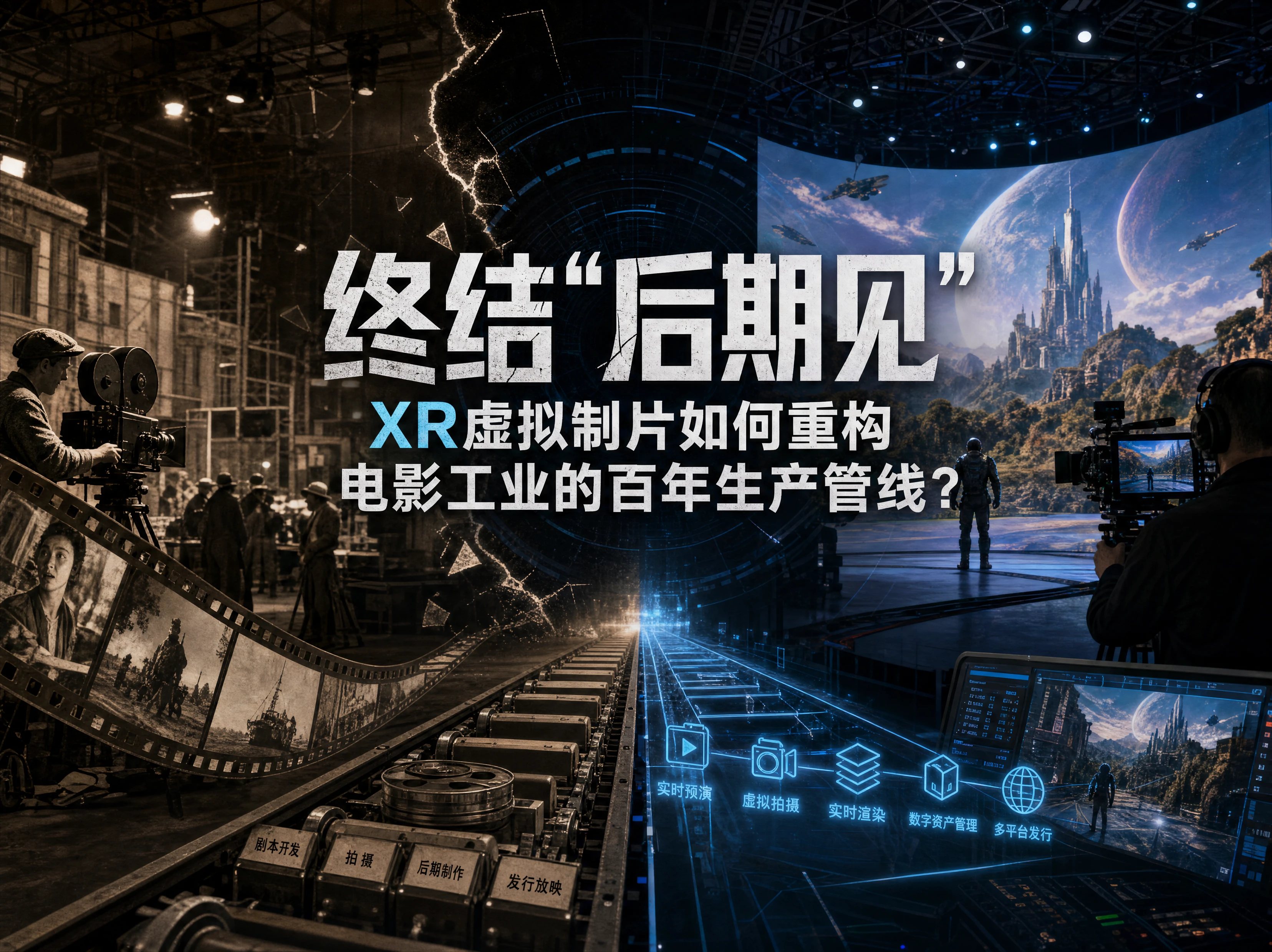
In traditional film and television production systems, there is a well-known yet compromise-laden and resigned catchphrase: “Alright, let's just shoot it like this for now, we'll fix it in post.”
In the compositing of green screen or blue screen virtual studios, the gold standard for determining whether a live-action actor truly “integrates” into the virtual 3D world is not how clean the keying is, but the shadow cast by the actor on the virtual ground (Real-time Virtual Shadow Casting).
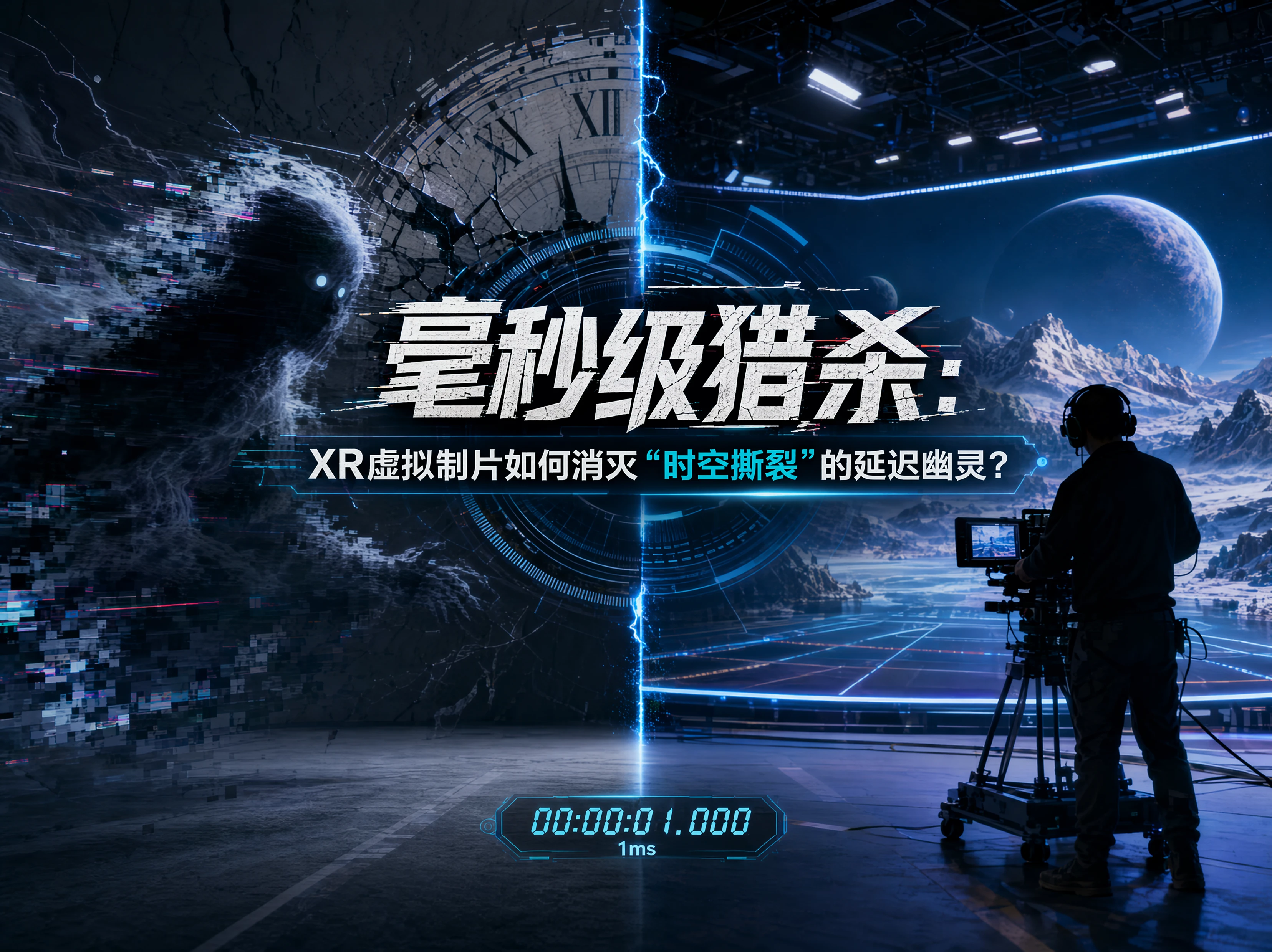
In 3D games or VR (Virtual Reality) experiences, there is a physiological nightmare that almost everyone encounters—“Motion Sickness.”
When your body feels like it is moving, but the image your eyes see is slightly delayed, this tiny perceptual “disconnect” immediately triggers a chemical alarm in your brain, causing intense dizziness and nausea.
In XR (Extended Reality)
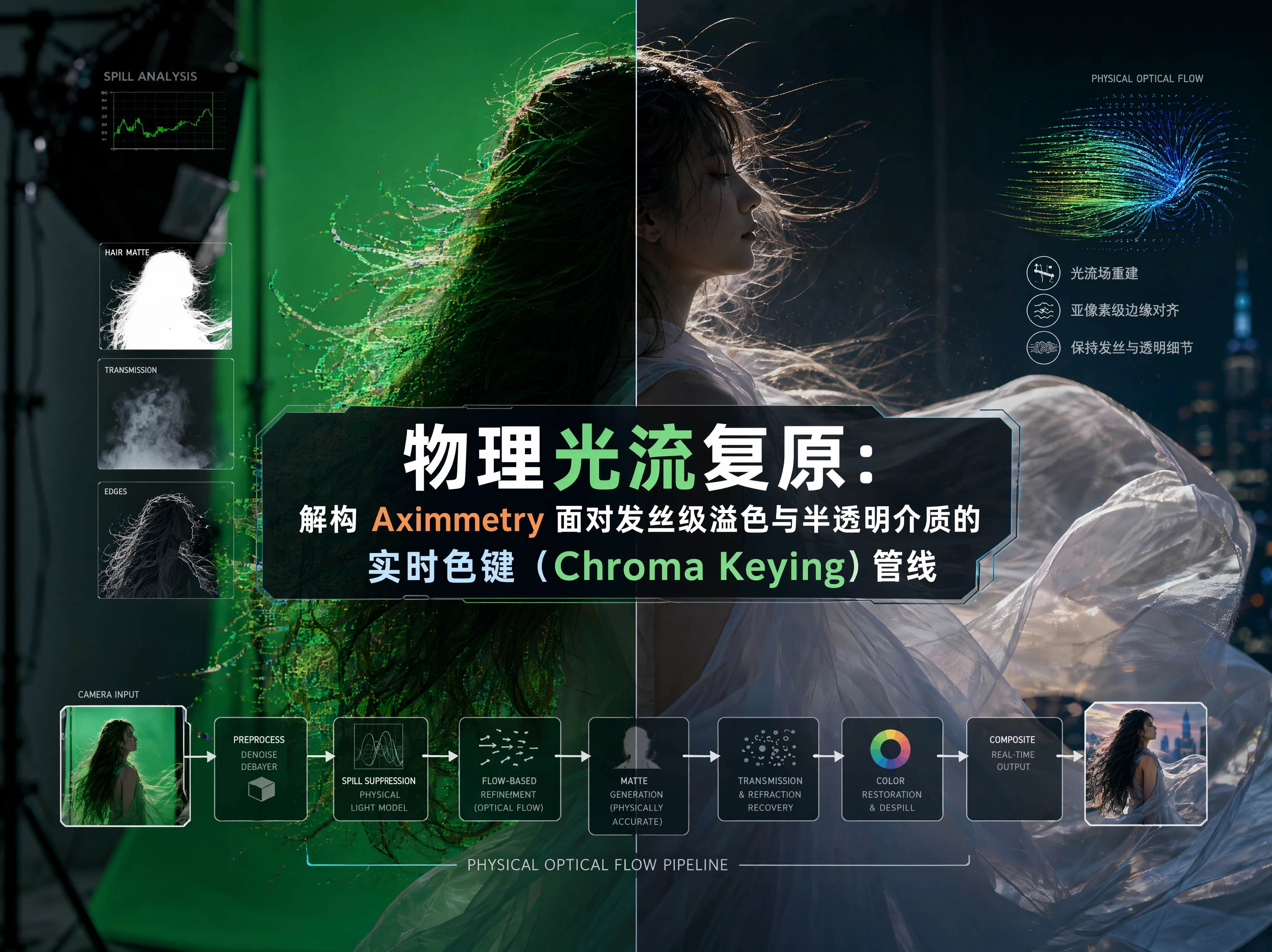
In the production of green screen virtual studios, Chroma Keying is the first and most unforgiving physical threshold that determines visual authenticity.
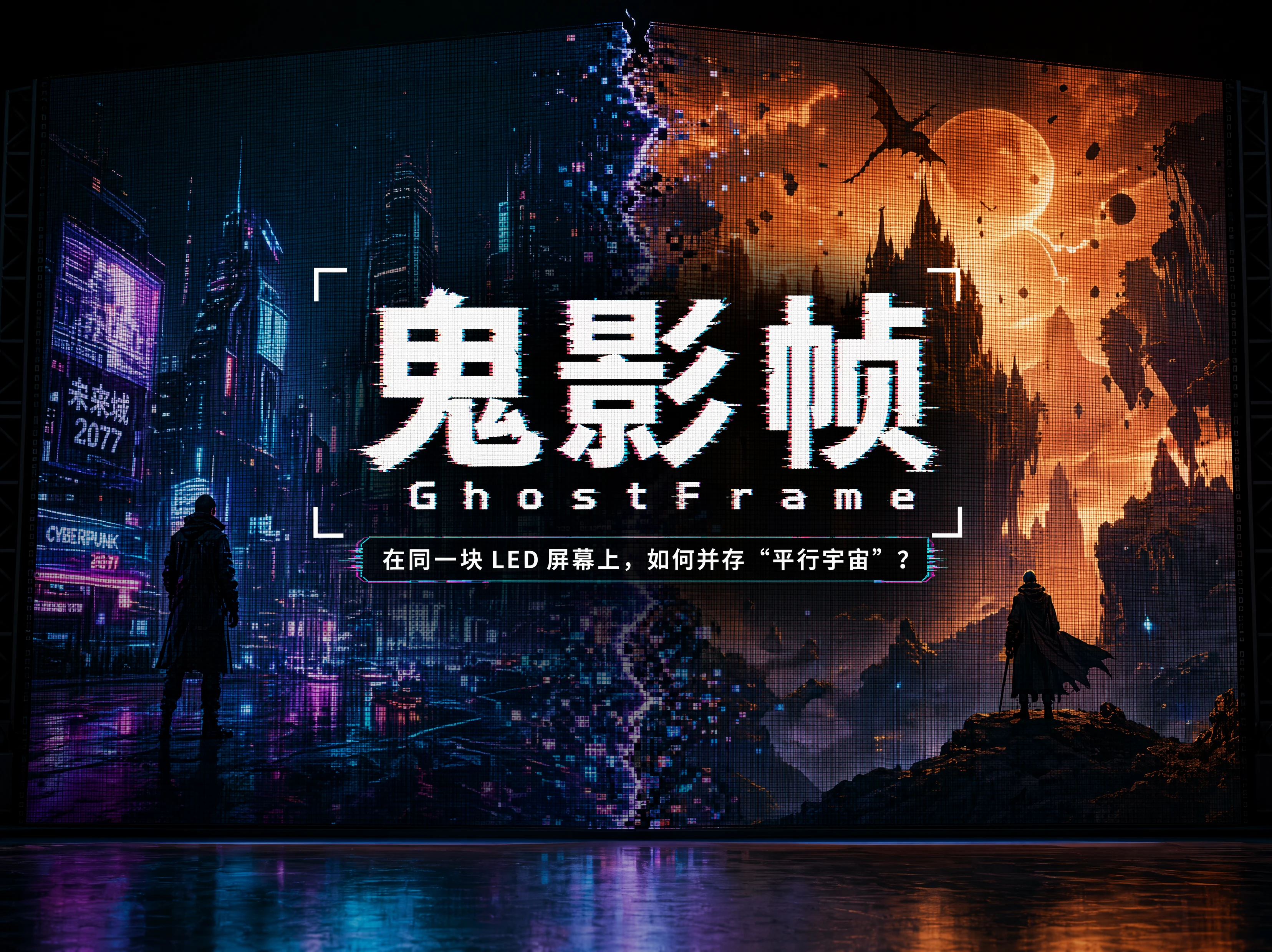
On a film and television production set, there is a standard workflow that has long been industry common sense—Multi-Cam Shooting.
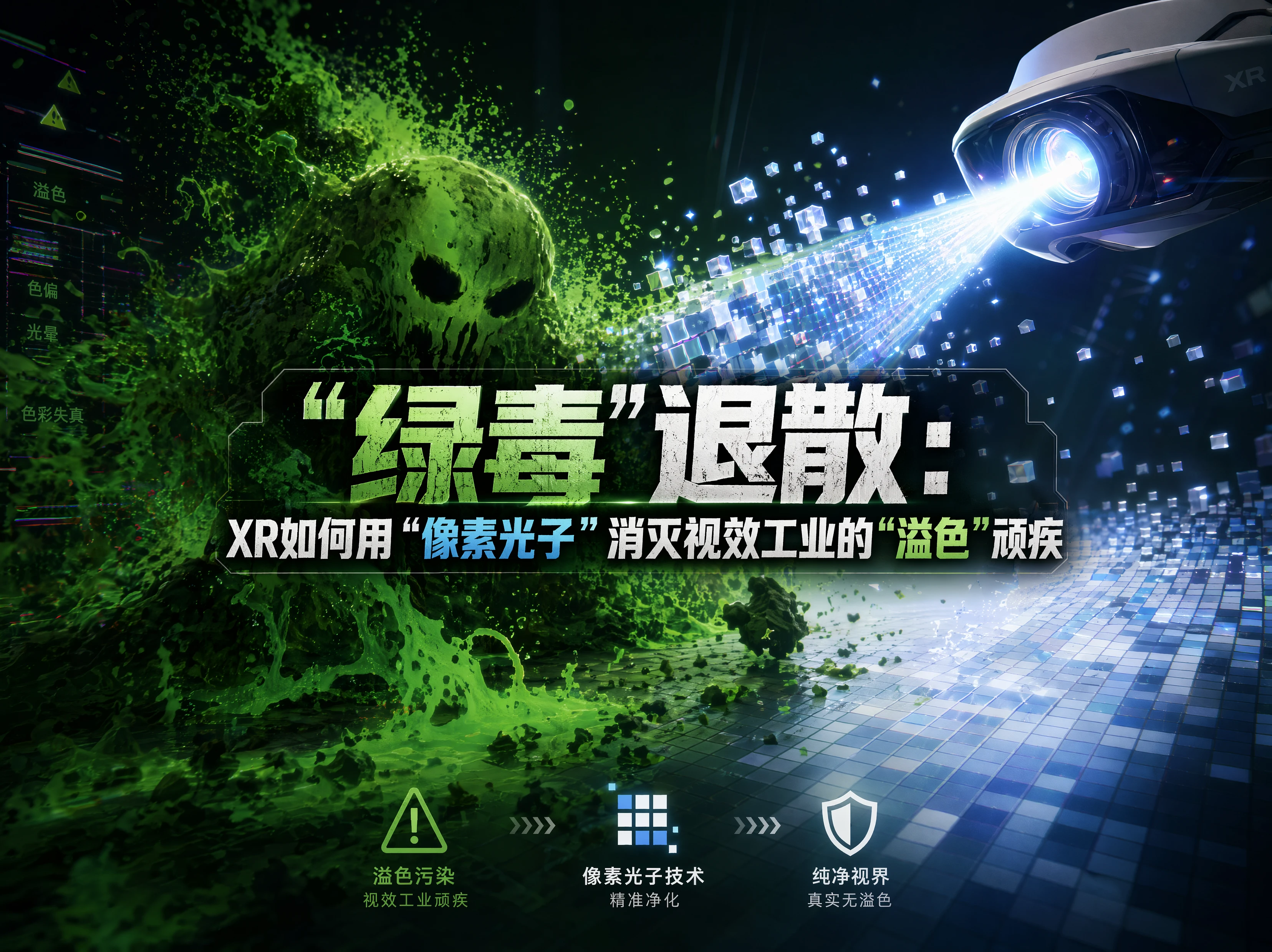
In the film and television visual effects (VFX) industry, there is a physical phenomenon that terrifies countless post-production compositors and is even jokingly called the industry's “chronic poison”—green screen spill (Green Spill).
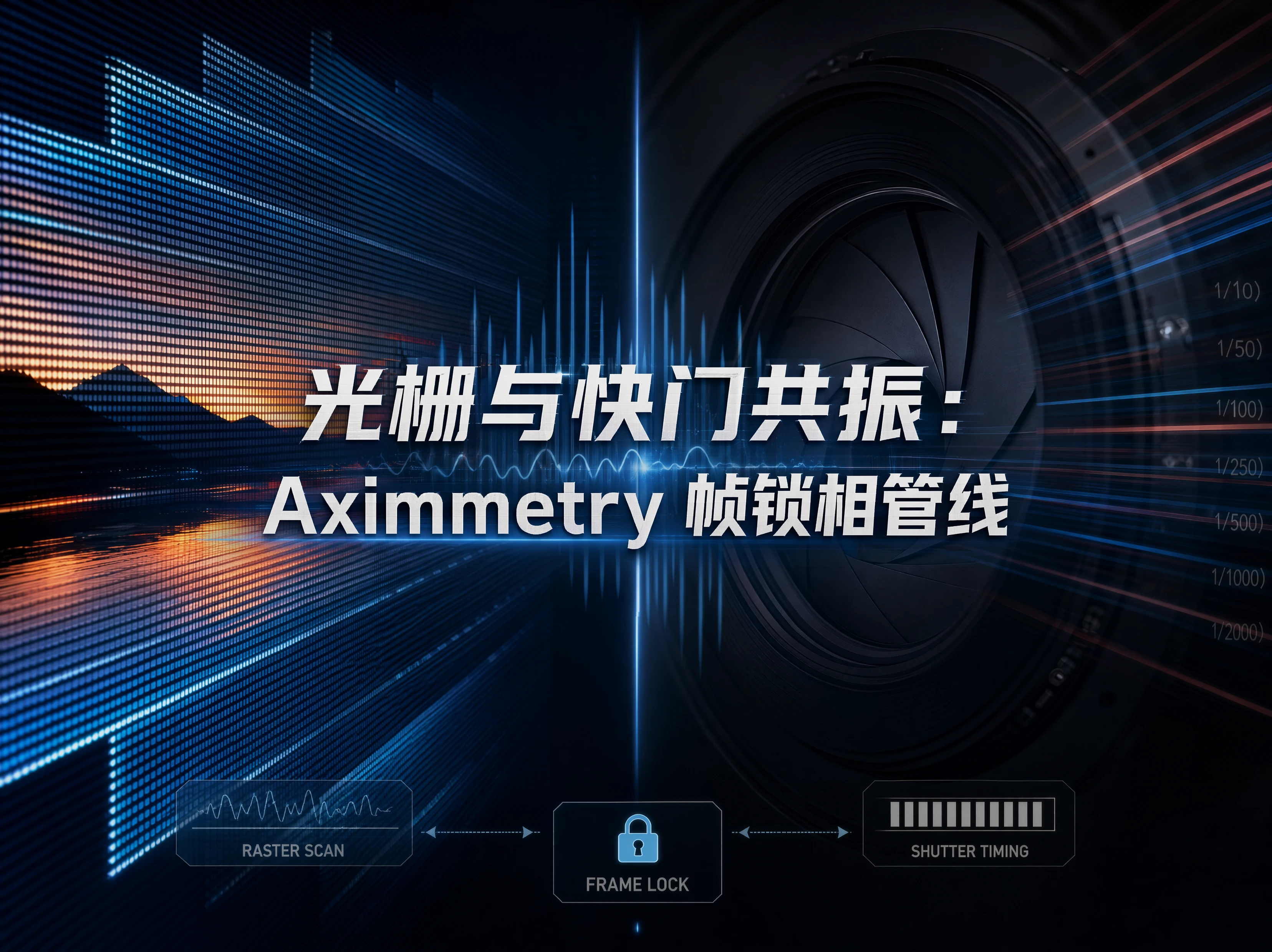
In the live production environment of virtual production (ICVFX) and multi-camera mixed reality (MR), there exists an invisible killer that keeps system engineers and directors of photography (DP) up all night—temporal phase drift and non-locked tearing.

In every XR (Extended Reality) virtual production studio, there is a mysterious area that fascinates everyone while putting technicians on high alert.
 简体中文 简体中文
  English