
When you mention “virtual production” or “XR live streaming,” many people picture this: a huge circular LED screen, dozens of Hollywood VFX engineers, expensive optical tracking cameras, and bills starting in the millions. It seems like a game only top-tier TV stations and deep-pocketed corporations can play. But is that really the case? In today's increasingly competitive content landscape, a software called Aximm
 2026-04-30
While traditional video production still struggles with expensive green screens, lengthy post-production, and costly physical sets, a group of leading TV stations, brands, and creators are already using Aximmetry to bring virtual worlds into real-time live broadcasts. It's not a concept demo software; it's a real-time virtual production tool that can truly deliver in high-stakes environments. Aximmetry on the Real Battlefield 1. TV Stations: From “Expensive” to “Everyday” Shenzhen
2026-04-29
In today's fast-paced digital content creation landscape, professional-grade virtual production is no longer exclusive to Hollywood. With its extreme cost-effectiveness, powerful real-time rendering capabilities, and streamlined workflow, Aximmetry is helping a growing number of creators, TV stations, educational institutions, and enterprises effortlessly create stunning virtual studios, XR extended reality, and mixed reality content. Real Case: From Zero to Done in 5 Days
2026-04-28
In today's rapidly evolving film industry and live streaming landscape, Virtual Production and high-quality live streaming have become core competencies for content creators. With its powerful real-time rendering capabilities, extreme cost-effectiveness, and streamlined workflow, Aximmetry is becoming the go-to tool for a growing number of TV stations, film studios, live streaming agencies, and independent creators worldwide. What is Axi
2026-04-27
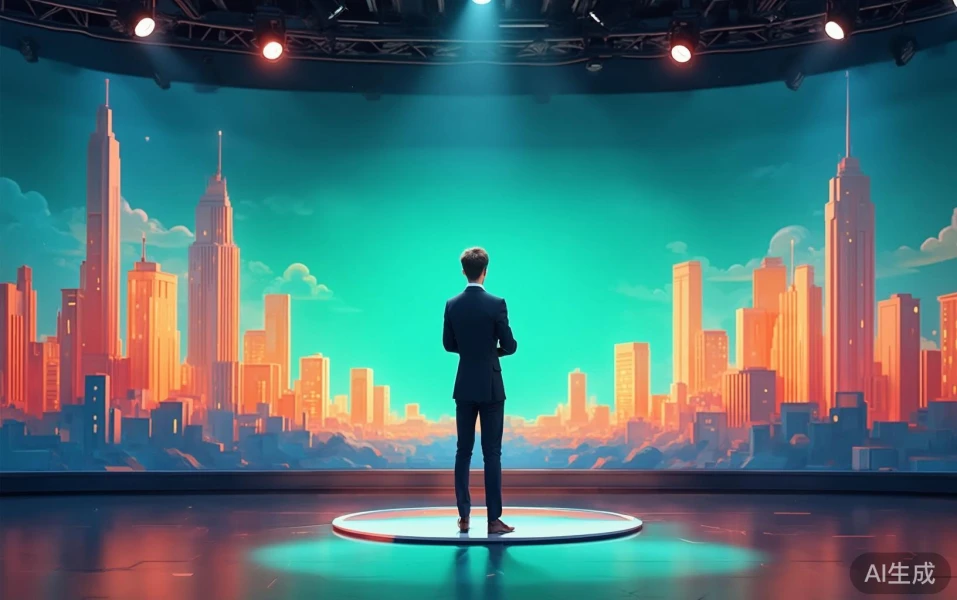
In today's field of Virtual Production and broadcast-grade live streaming, real-time performance, visual consistency, and system stability are the three core challenges. Aximmetry (especially the Aximmetry DE dual-engine version), through its deep integration with Unreal Engine, has built a mature real-time rendering pipeline and has become a widely adopted
2026-04-24
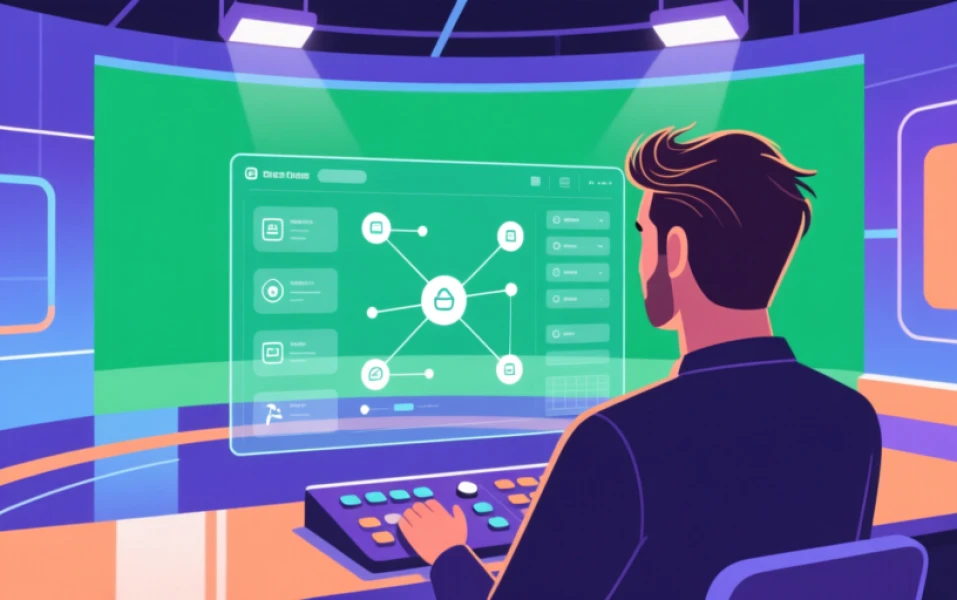
In traditional film VFX and virtual program production, there's a famous saying: “If there's a problem, fix it in post.” Traditional green screen shooting often means long rendering times, complex compositing workflows, and the awkwardness of “blind shooting” on set.
However, with the explosion of real-time rendering technology, “what you see is what you get” has become the standard for content creation in the new era. In this leap from “traditional post-production” to “real-time pre-production,” Aximmetry
2026-04-23
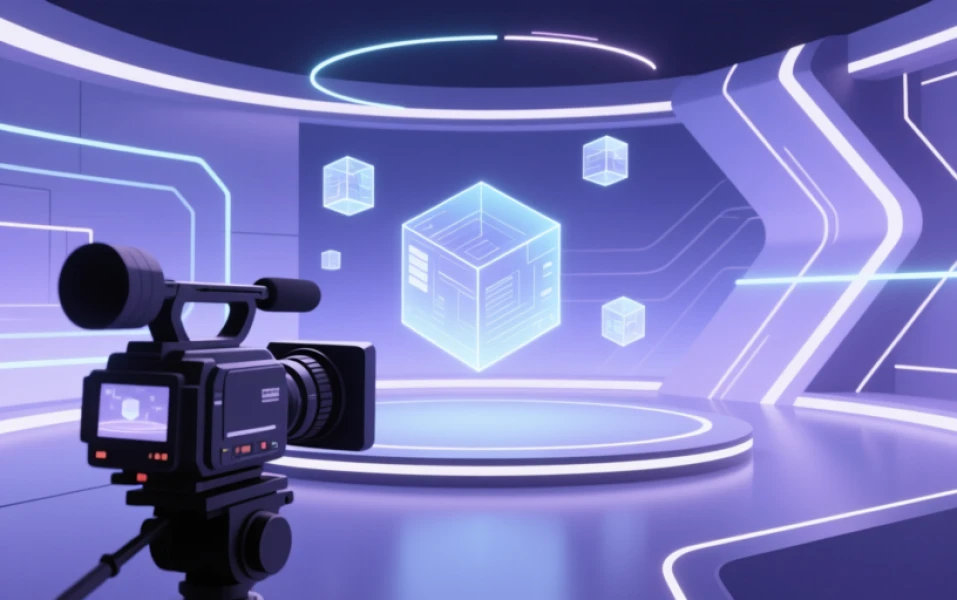
With the rapid development of the film industry and digital media technology, traditional video production models are undergoing a profound transformation. From Hollywood blockbuster-level “LED wall virtual production” to stunning high-end cross-industry live streams, the boundary between the virtual and the real is becoming increasingly blurred. Behind this visual revolution, a real-time 3D graphics and virtual studio software named Aximmetry is playing the role of a “super brain,” serving as the bridge connecting
2026-04-22

I've seen too many virtual studios built with tens of millions invested, looking glamorous on the surface and equipped with the industry's top-tier hardware. But behind those blinking server lights and cold metal racks, as a producer, I can always hear a faint but clear “tick-tock” sound.
That's not the sound of a clock. It's the countdown of a time bomb.
The fuse of this bomb is not your expensive LED screen, nor your powerful graphics
2026-04-21
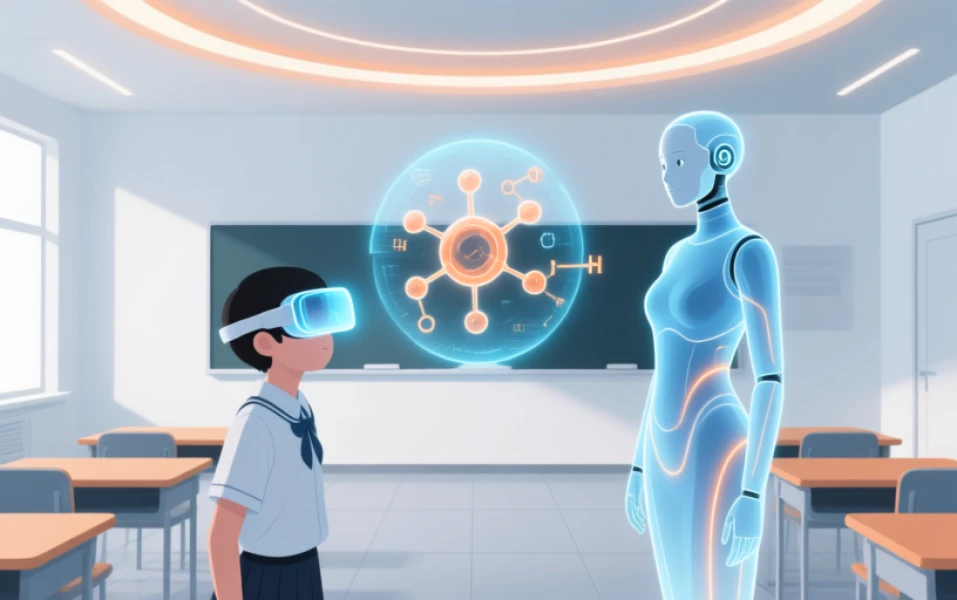
As the wave of education digitalization sweeps the globe, we are honored to showcase our innovative practice achievements in the field of “AI+XR Empowering Education,” committed to reshaping the learning experience through cutting-edge technology and ushering in a new era of immersive education.
We focus on three core products to present the infinite possibilities of future education:
Product One: XR Immersive Courses – Breaking Boundaries, Making Knowledge “Immersive”
We say goodbye to traditional courses
2026-04-18
Over the past few years, I've received countless ambitious investors who show me their grand blueprints: top-of-the-line ARRI cameras, the highest refresh rate LED screens, Hollywood-grade Mo-Sys tracking systems... They ask me: “With the strongest hardware on earth, isn't our virtual studio invincible?”
My answer is always: “What you've bought is a pile of top-tier CPUs, GPUs, and monitors, but you've forgotten
2026-04-18
 简体中文 简体中文
  English