
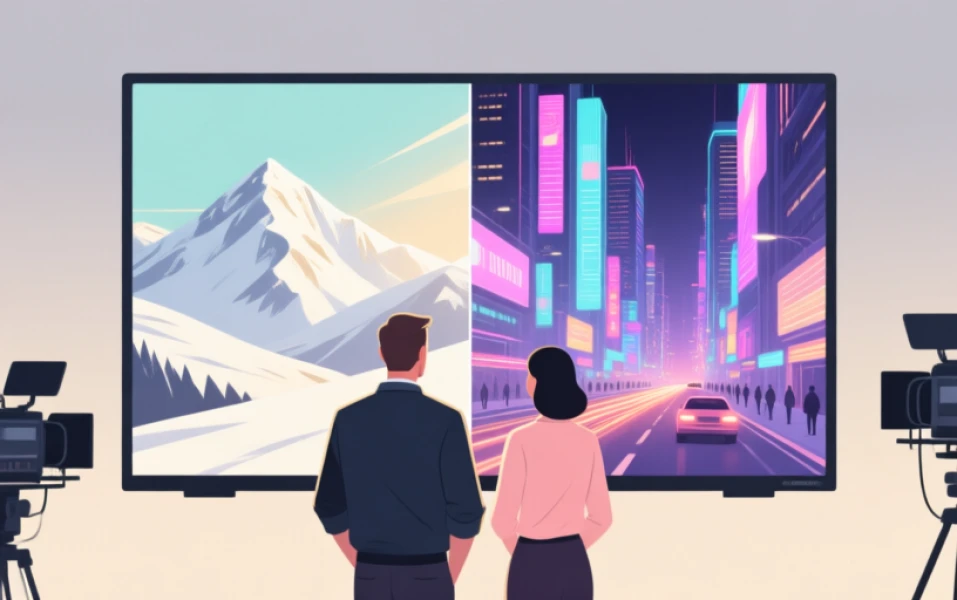
In this industry, we're always keen to discuss Unreal Engine's ultimate image quality, dynamic ray tracing, and computing power limits. But as a producer who has to control budgets and push schedules on set every day, I have to be honest: The hardest thing to handle on set is never the underlying technical code, but the “client boss (brand/client)” sitting in the VIP room behind the monitor.
In traditional commercial ads (TV
 2026-04-16

In recent years, Virtual Production has shined in the film industry. But as a frontline producer, I've clearly felt a shift in market trends: Today's clients are no longer satisfied with just “shooting” a cool virtual short film.
Car brand launches, top-tier esports finals, e-commerce live streams with millions of followers, even New Year's concerts... Clients not only demand cinematic virtual
2026-04-15
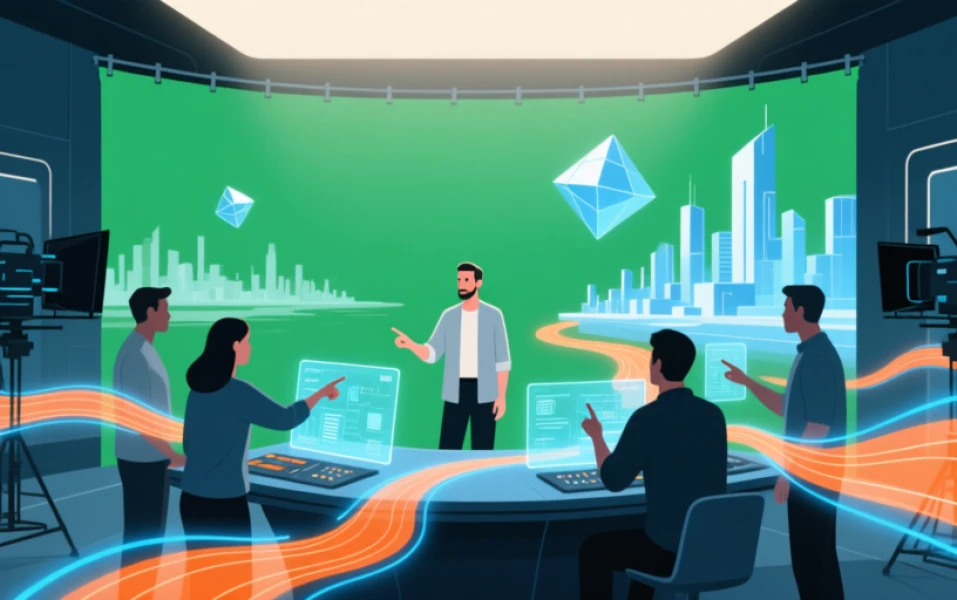
After years in the film industry, if you ask me what I fear most hearing from a director on set, it's: “Forget it, let's move on, we'll fix it in post.”
This sentence often means a runaway post-production budget, endless delays in delivery, and countless sleepless nights for the VFX team. When we first championed Virtual Production, we shouted the slogan “what you see is what you get
2026-04-14
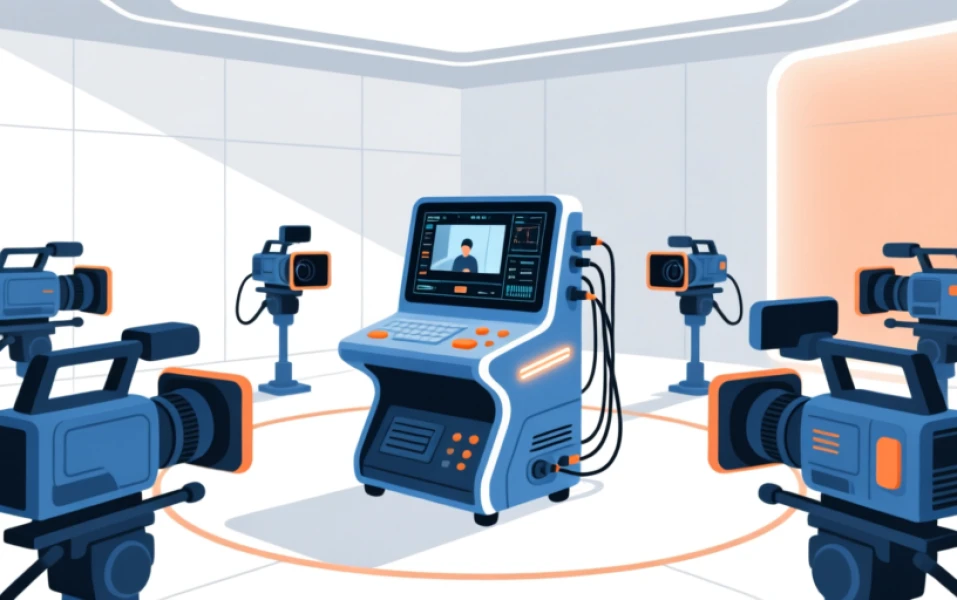
In the past few years, whenever “Virtual Production” was mentioned, everyone's mind went to Hollywood-level grand narratives: massive LED cycloramas covering thousands of square meters, render clusters of dozens of rack-mounted servers, and a large, expensive “Brain Bar” technical team.
But as a producer who calculates budgets, schedules, and oversees the set every day,
2026-04-13
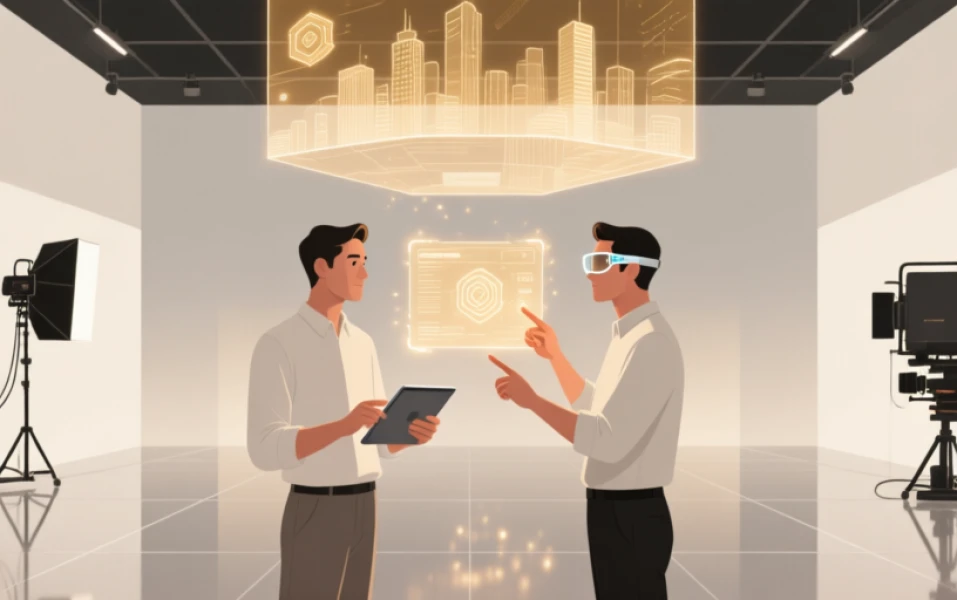
After working on dozens of Virtual Production crews, I've discovered a highly destructive yet often overlooked “invisible bomb”—communication breakdowns on set.
Imagine this scene: A traditional Director of Photography (DP) shouts at the monitor: “The backlight is too harsh, move the sun 15 degrees to the left, and soften the bokeh a bit more!” Meanwhile, the Unreal Engine (UE) technician at the control console is completely
2026-04-12

Introduction: As a virtual production producer who has been on the front lines, I've seen too many investors pour tens of millions into building top-tier LED Volumes, only to find their studios gathering dust because they can't land enough large-scale S-level projects, turning them into “pricy showroom samples.”
As Virtual Production sheds its initial hype, the industry has officially entered the “second half.” Now
2026-04-11
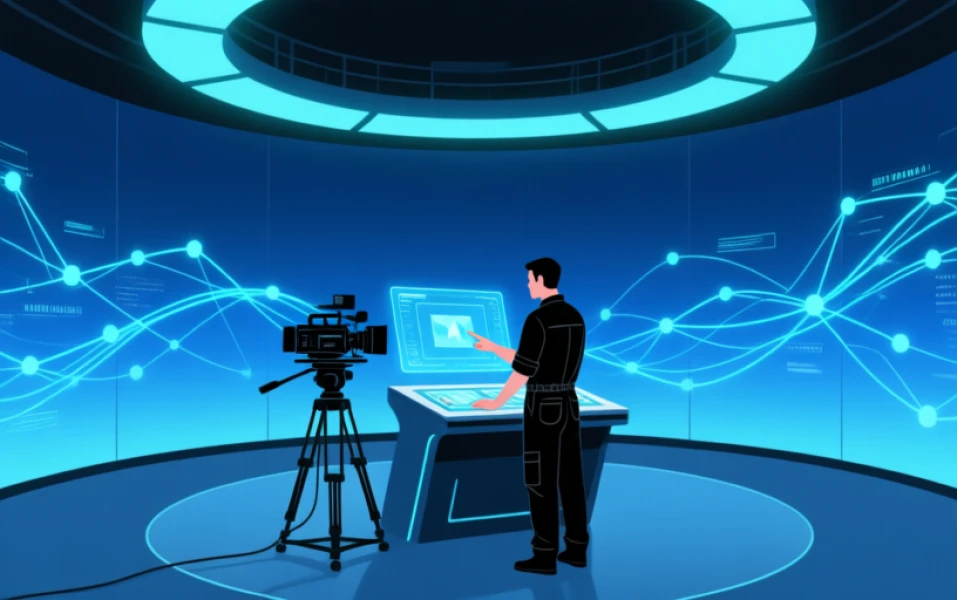
Introduction: As a virtual production producer who navigates between the set and the tech team, the question I get most often from directors and investors is: “Since we already have Unreal Engine, why do we need other software?”
The answer is simple: Unreal Engine is a high-performance “supercar V8 engine,” but to take that engine onto the track, you need a precise “steering wheel and drivetrain."
2026-04-10

In the traffic battlefield of 2026, if you're still debating between buying a ring light or a softbox, you might already be losing from the starting line. True top players have already begun laying out a new track—“Scene Assets.”
And in this silent revolution, Aximmetry is playing the role of both “asset appraiser” and “value amplifier.” It allows a tiny rented room to possess visual impact that surpasses physical stores in prime locations.
2026-03-31
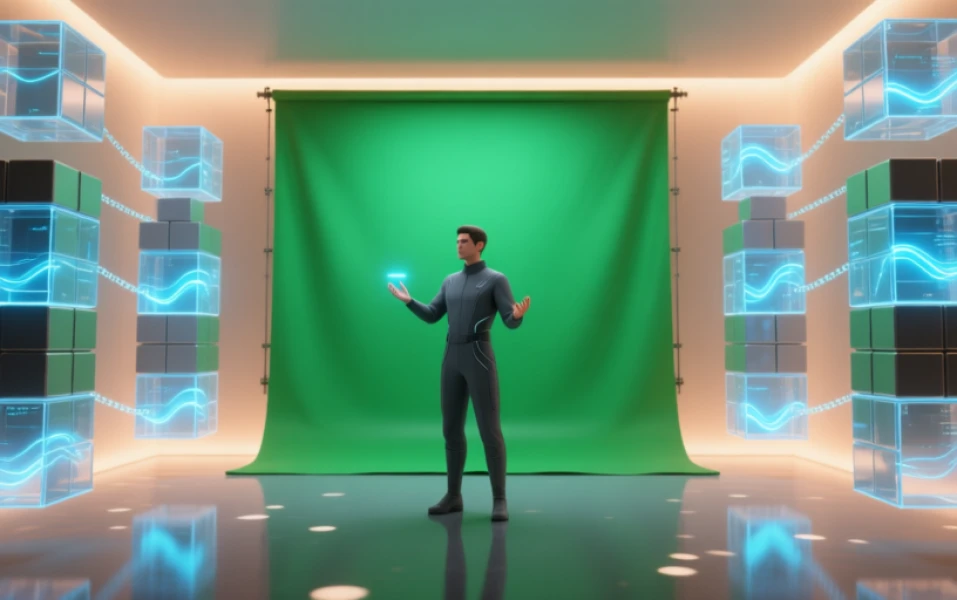
By 2026, if you're still being scared off by the term “Virtual Production,” you might be falling into a carefully crafted “information cocoon.” The stories about massive LED walls, Hollywood crews, and astronomical budgets are making countless creatives hesitate.
Today, let's debunk these three biggest lies and show you how Aximmetry is transferring the “crown” of top-tier visual effects from the hands of capitalists to yours.
2026-03-28
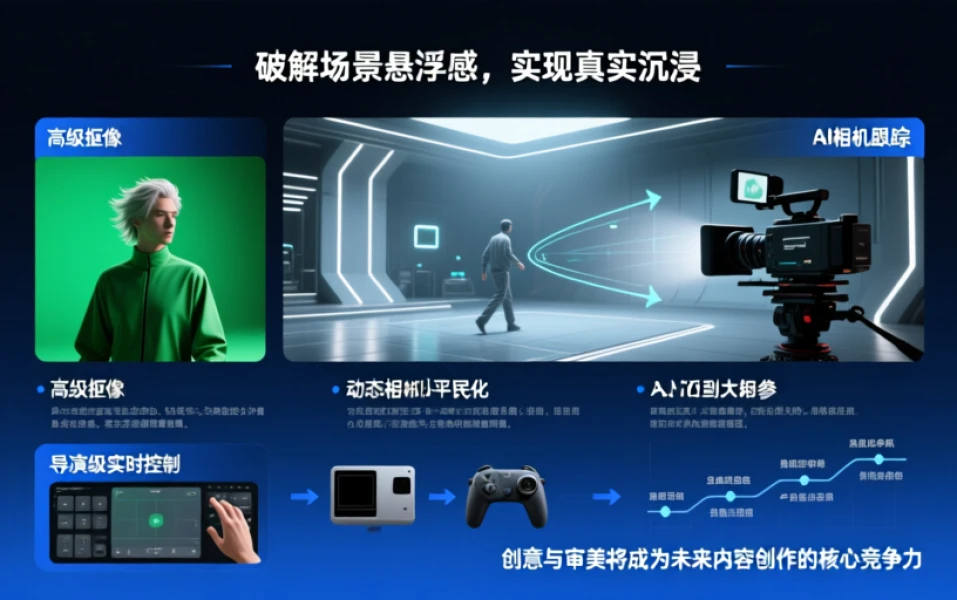
If you think “Virtual Production” is still just a toy for Hollywood directors and top-tier TV stations, your industry knowledge for 2026 might need an urgent update.
In today's visual arena, the fiercest competition isn't about who has the most expensive camera, but who can create the most “cinematic” real-time content with the smallest budget. In this battle for cost reduction and efficiency, Aximmetry is like that “lone warrior” carrying a universal toolkit, breaking through
2026-03-27
 简体中文 简体中文
  English