
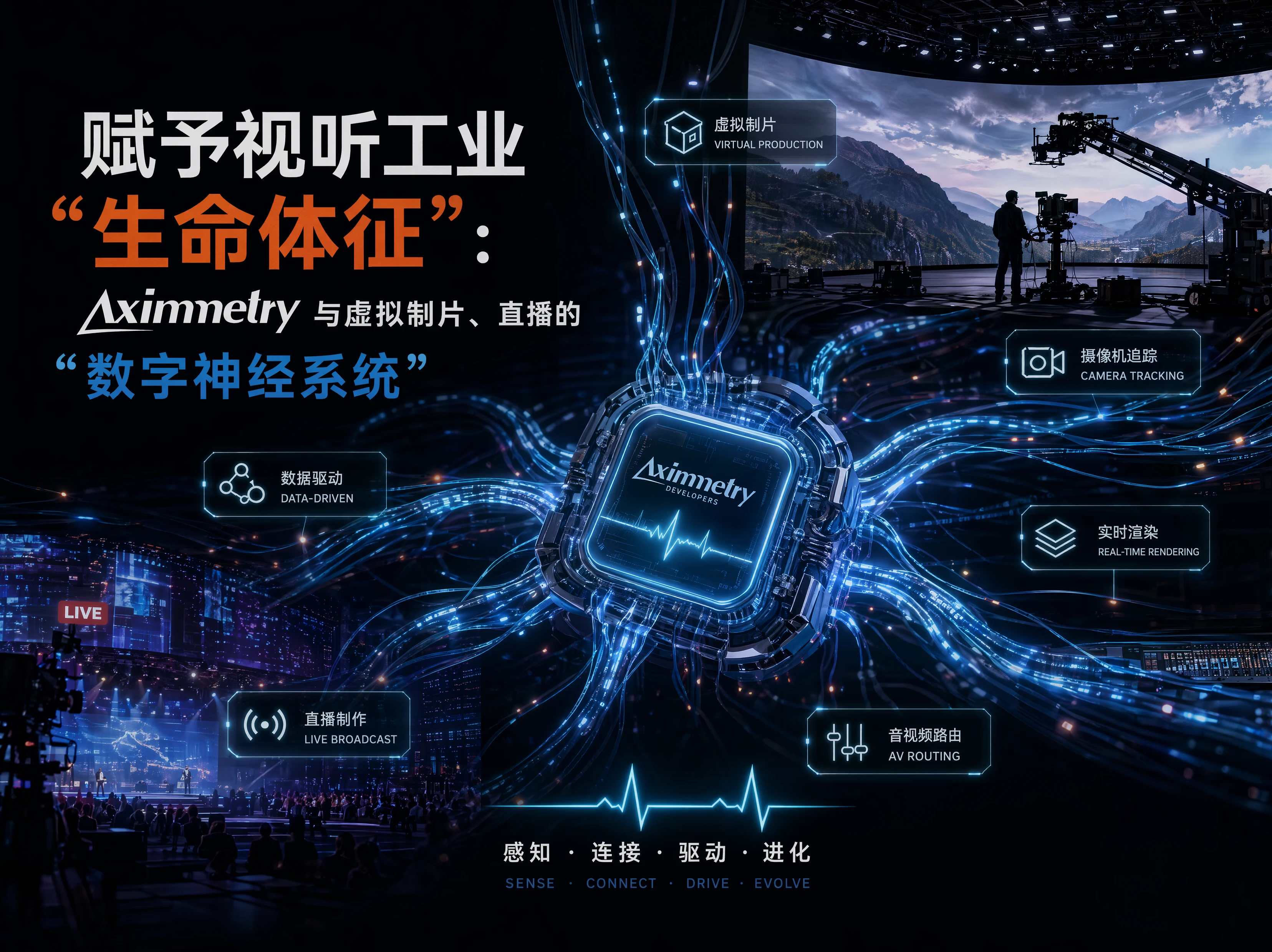
If you walk into today's most cutting-edge XR virtual studio or large-scale esports broadcast center, you will see a highly cyberpunk picture: There are Unreal Engine servers roaring like monsters processing billions of polygons, precision optical tracking cameras staring like compound eyes at their targets, and LED ring screens wrapping the stage like giant skin.
 2026-05-10
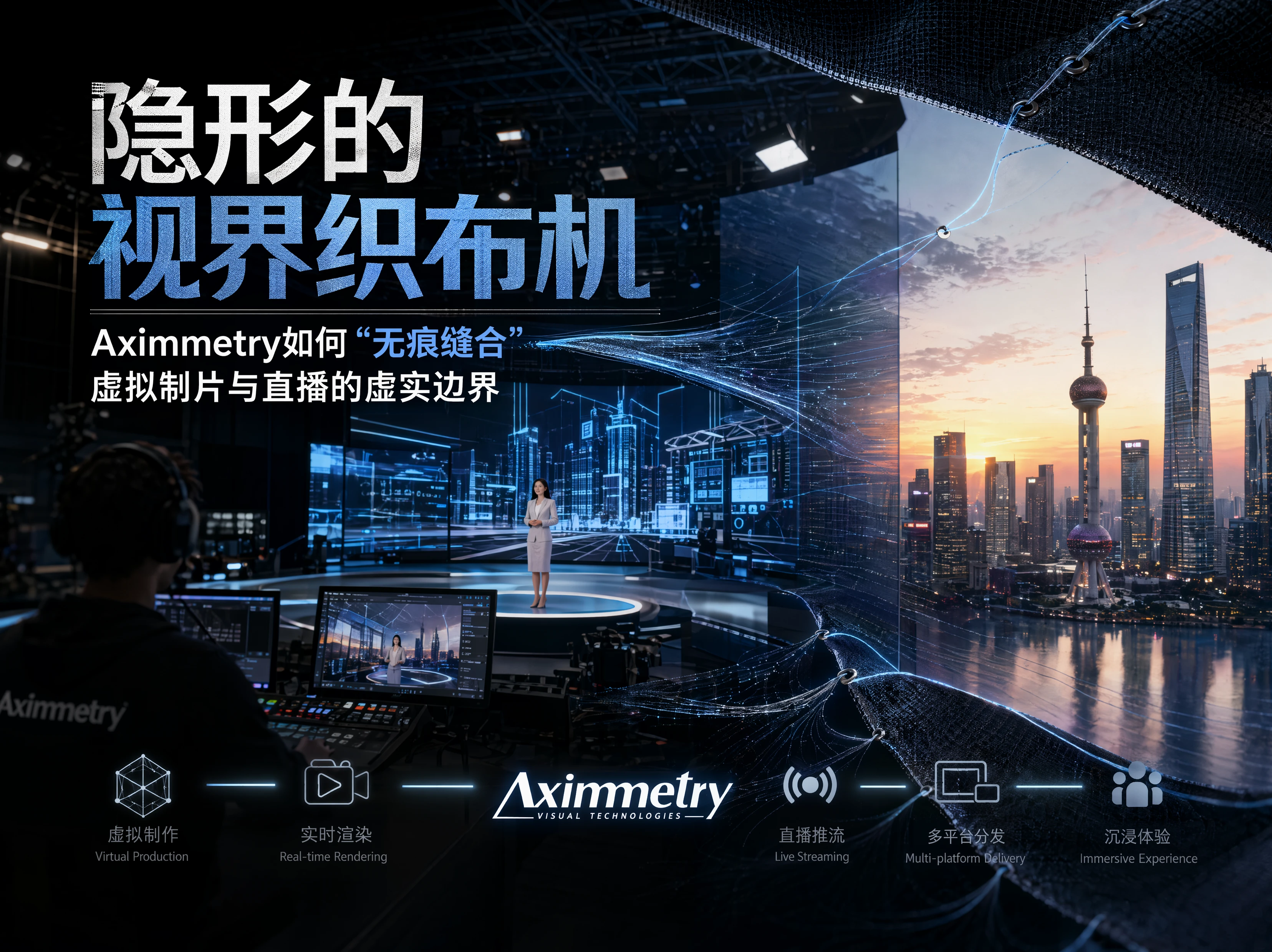
In the industry of visual dream-making, whether it's a multi-million dollar sci-fi blockbuster or a top-tier esports live stream with tens of millions of viewers, there hangs a Sword of Damocles: “breaking the illusion.”
2026-05-09

The century-long history of the audiovisual industry is a history of humanity's struggle against “physical gravity.”
2026-05-09
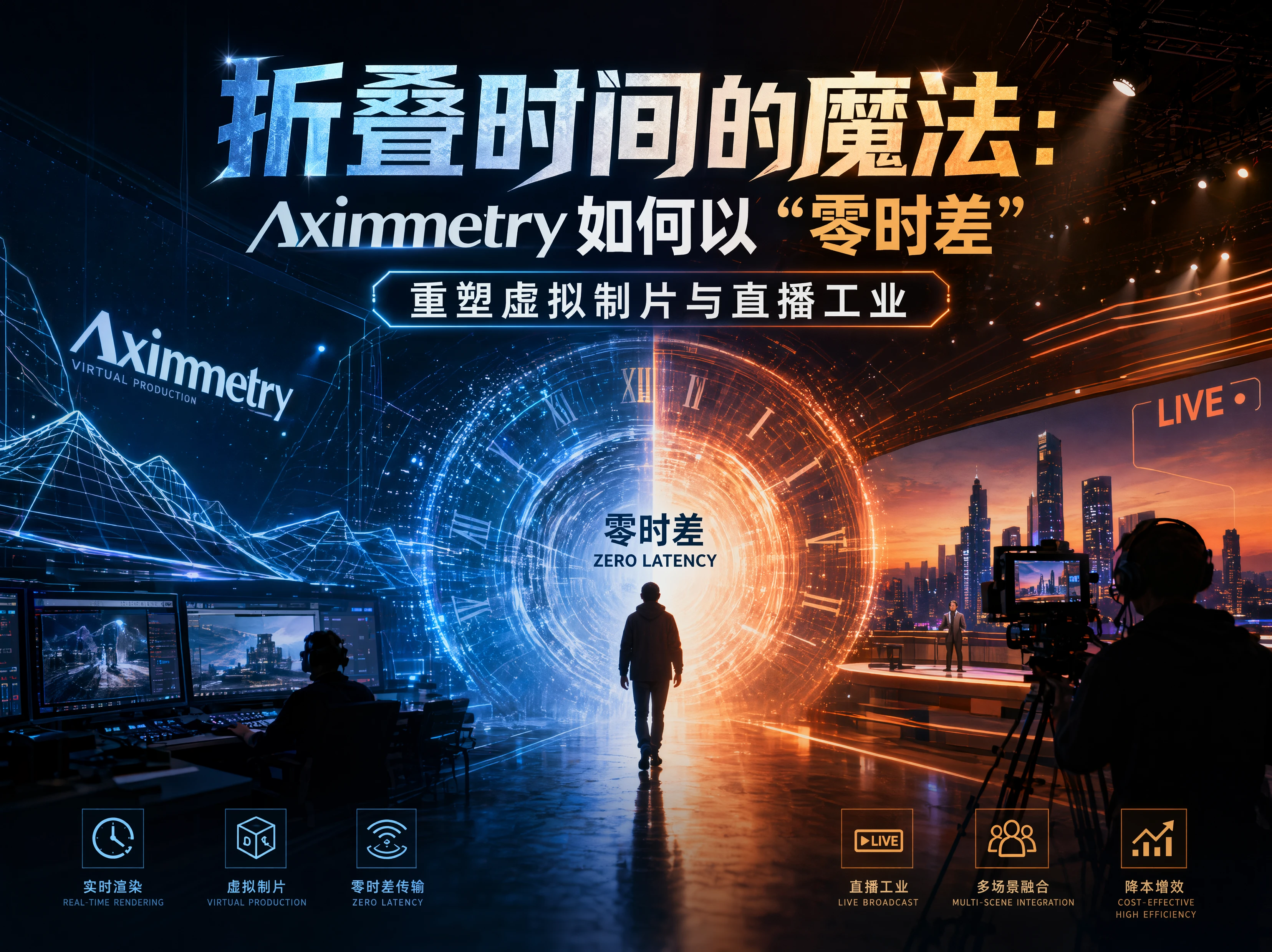
The production of traditional audiovisual content is a long relay race.
2026-05-09
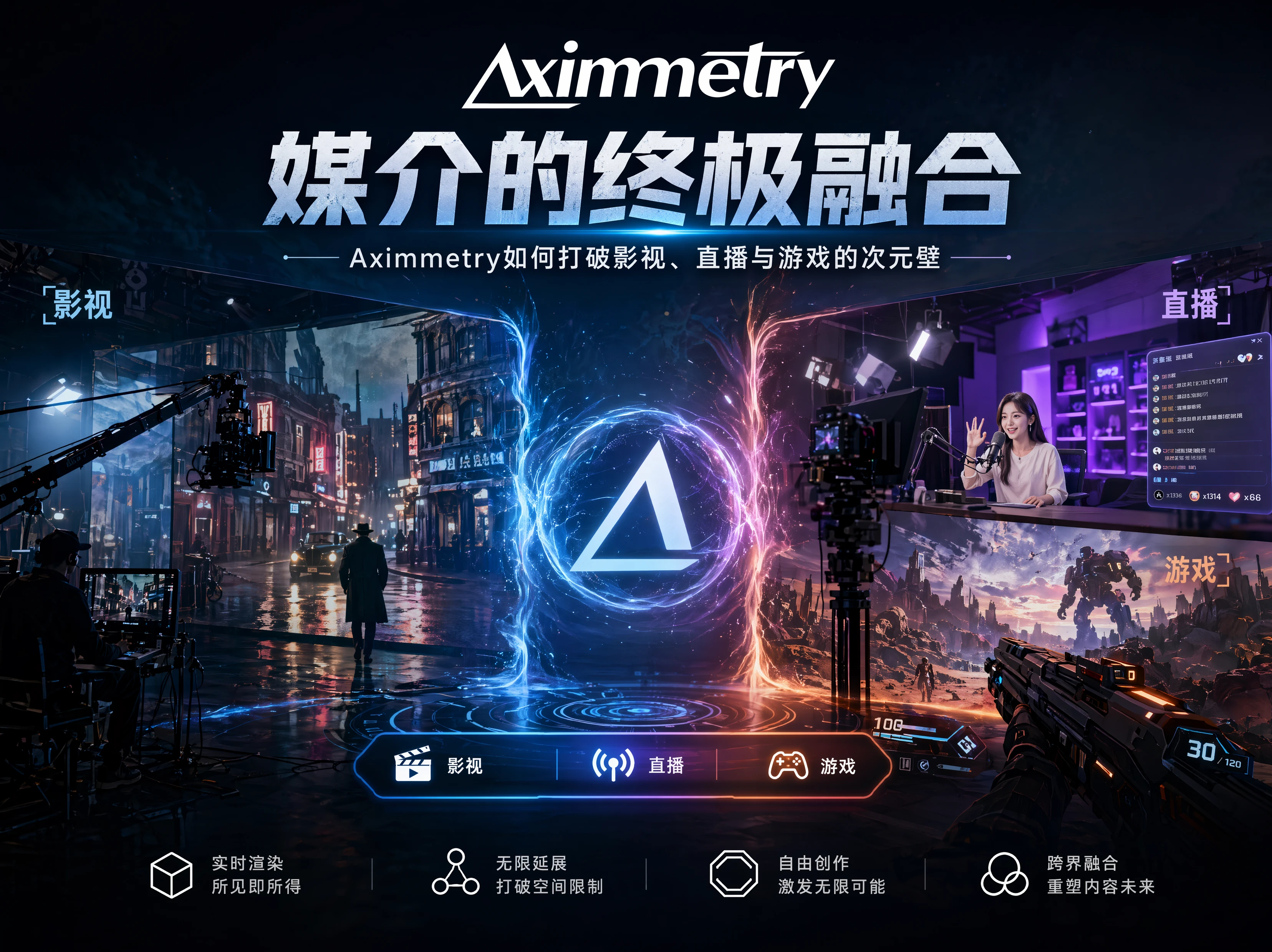
In the history of human audiovisual development, content production has been strictly divided into three parallel universes: Film represents the ultimate visual presentation but requires a long and rigid linear post-production process; TV live broadcasting has an irreplaceable sense of real-time interaction but often compromises on visual quality; Video games offer absolute freedom and real-time interactivity but have long been regarded as purely virtual products detached from reality.
2026-05-09
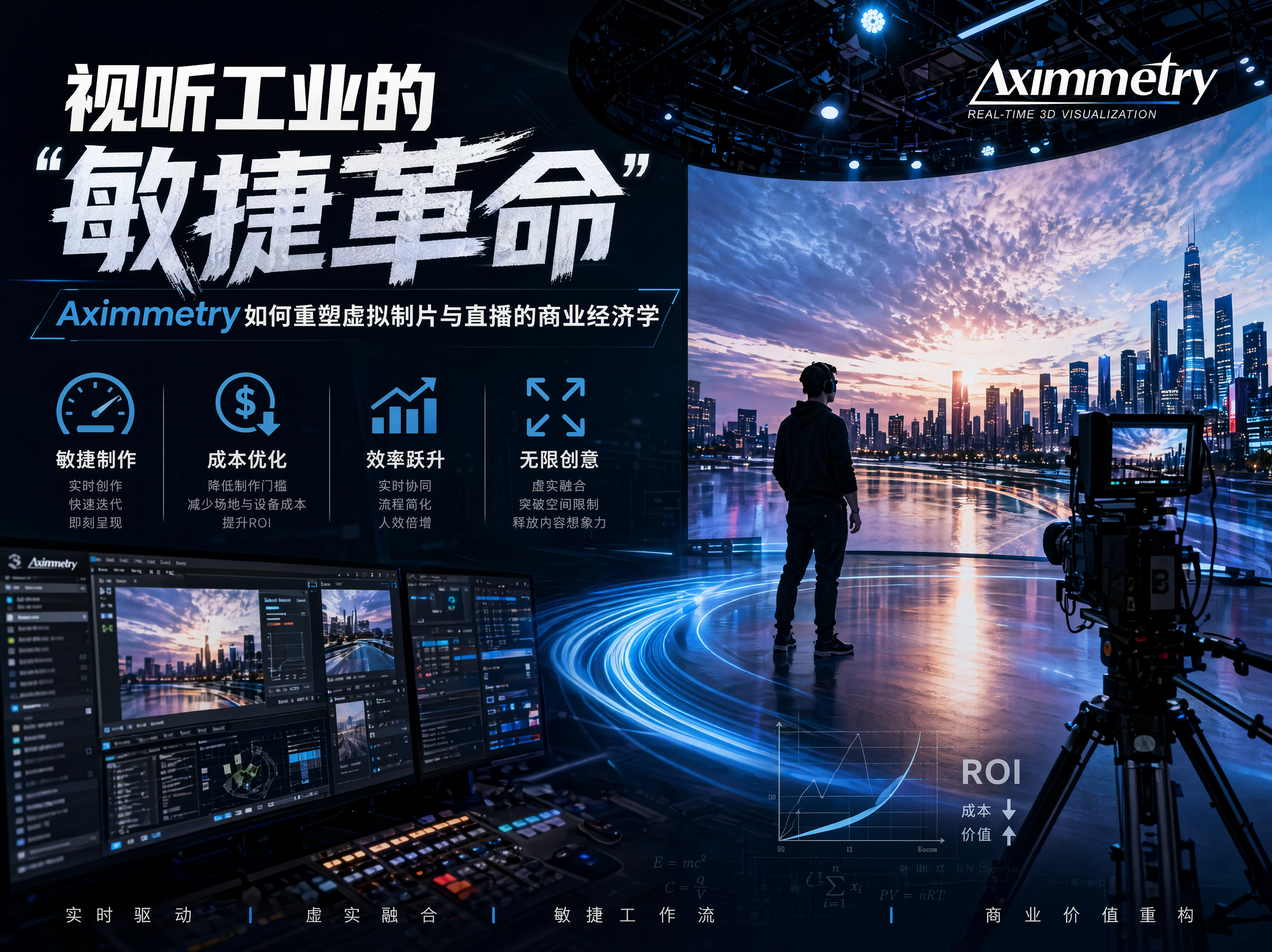
For a long time, high-end audiovisual content production has been a traditional heavy industry characterized by “heavy assets and high losses.” Building massive physical sets, hiring large filming and post-production teams, and enduring long and unpredictable post-production cycles... this not only means high capital costs but also results in extremely low content output efficiency. In this era of rapid traffic iteration and exponential explosion in content demand, traditional production models clearly can no longer keep pace with the market rhythm.
2026-05-09
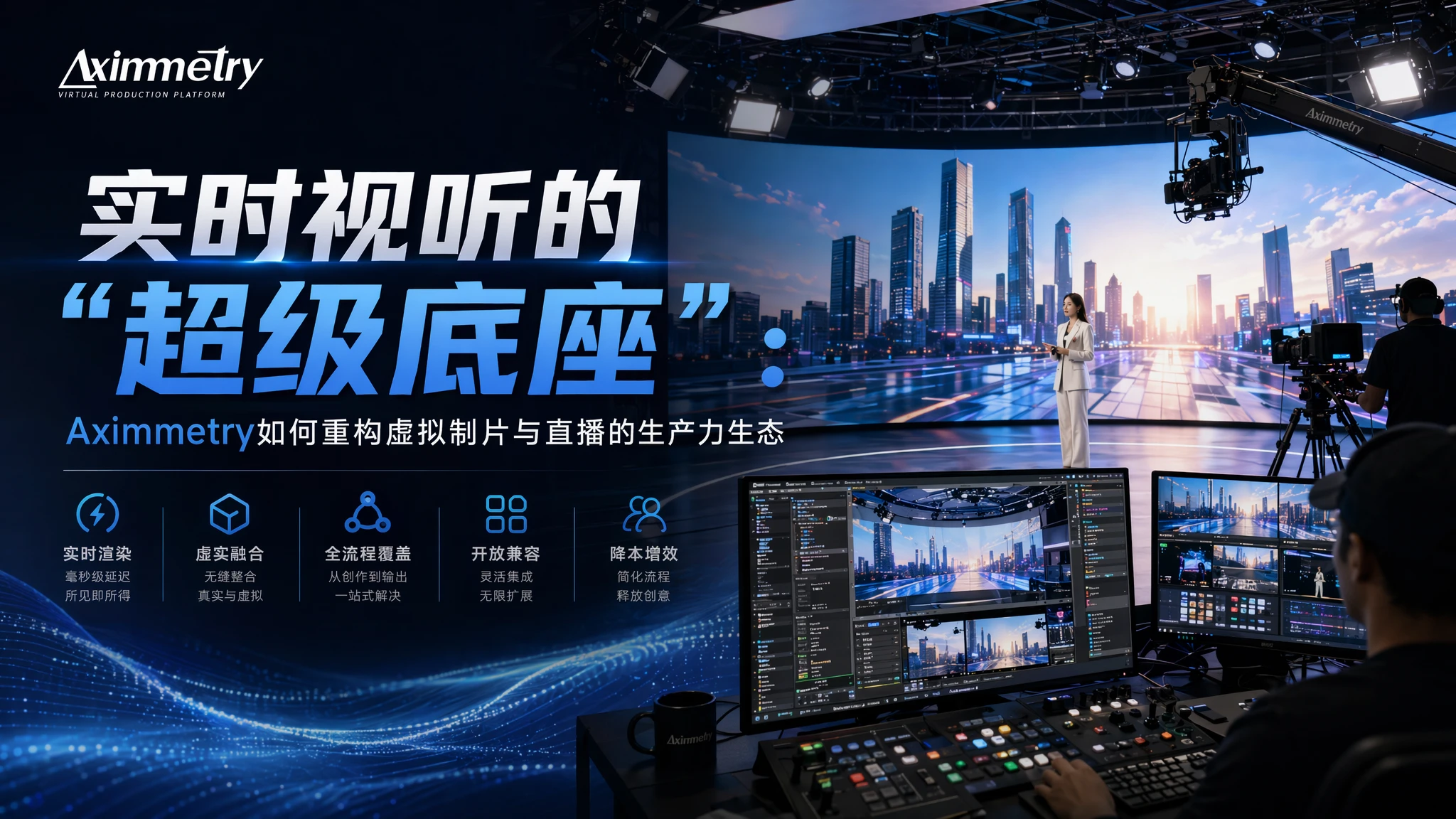
The modern film, television, and advanced live streaming industries are undergoing a major migration from “physical construction” to “digital synthesis.” In this process, we have acquired the stunning Unreal Engine, precision camera tracking systems, and high-refresh-rate LED screens. However, when creators attempt to piece together these top-tier devices, they often fall into a “debugging hell”—system crashes, signal latency, and
2026-05-09
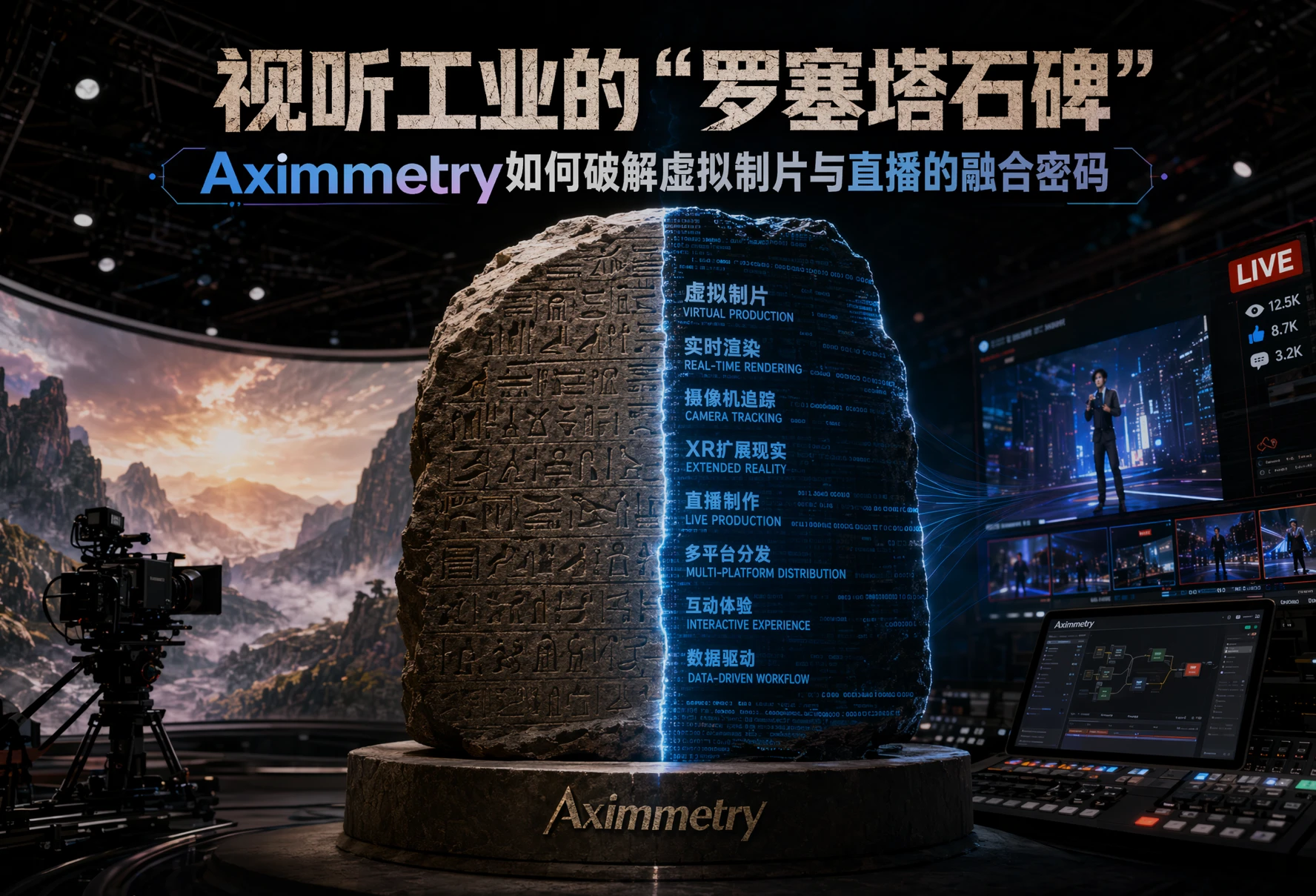
If you have ever participated in even one modern virtual production or high-end AR live streaming setup, you will surely have a deep appreciation for the despair-inducing “fragmentation” on set: Unreal Engine spits out complex rendering code, cameras output SDI/NDI video streams, tracking systems send raw FreeD spatial data, and lighting consoles run DMX protocols... In this so-called “next-generation audiovisual technology"
2026-05-08
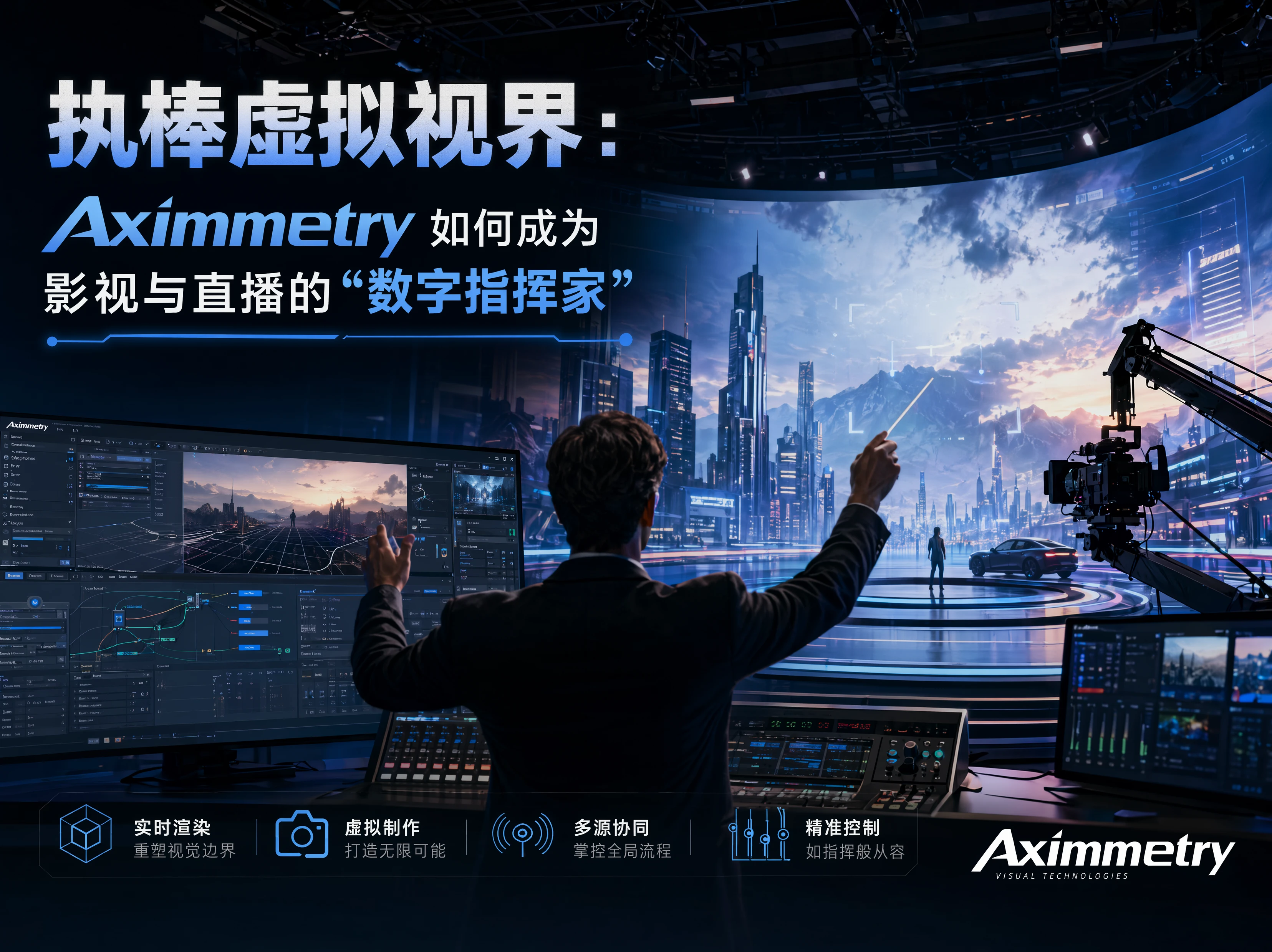
Stepping into any modern virtual production set or large-scale AR live streaming backstage, you will encounter a suffocatingly complex scene: massive camera arrays, intricate cabling, Unreal Engine servers full of code, constantly fluctuating optical tracking data, and dozens of interwoven audio and video signals. It is like an orchestra without a conductor, where every instrument (device) is extremely expensive and powerful
2026-05-08
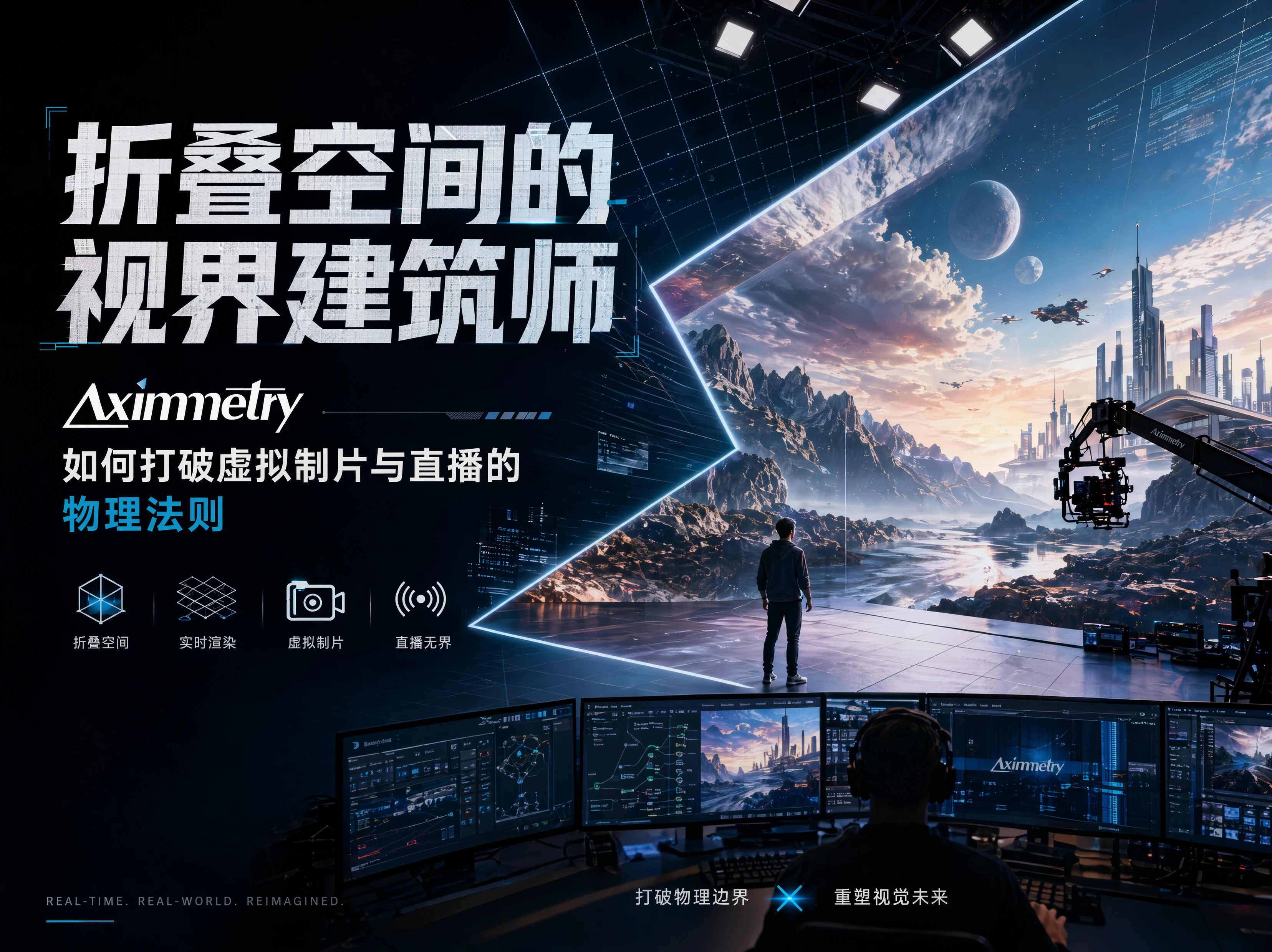
In the traditional audiovisual industry, “space” is often the most costly expense. To shoot a stunning snow-capped mountain scene, a crew must fly thousands of miles; to host a high-profile product launch, a company must rent tens of thousands of square meters of venue. Human imagination has always been constrained by the gravity, distance, and area of the physical world. Until the arrival of Aximmetry. This real-time 3D graphics and control software, hailed as the “ceiling of virtual directing,”
2026-05-08
 简体中文 简体中文
  English