
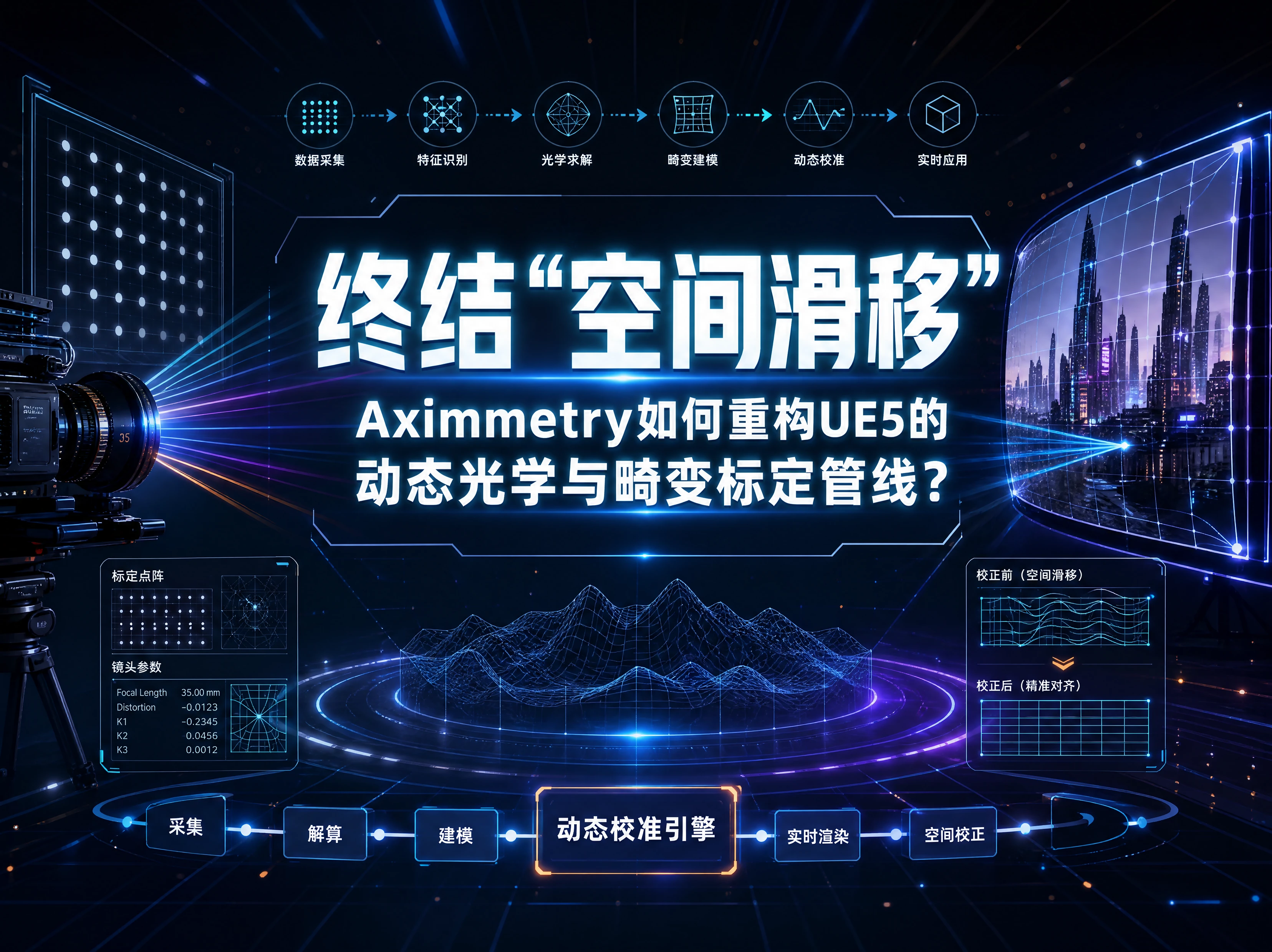
In a high-end virtual production studio, TDs (Technical Directors) have a brutally cold saying: “Static looks like a movie, moving looks like an animation.”
As long as the camera stays still, the UE5-rendered image is always flawless. But the moment the director calls “Dolly In” or the focus puller starts to “Pull Focus,” disaster strikes: the edges of the virtual background warp bizarrely, and the AR
 2026-05-16
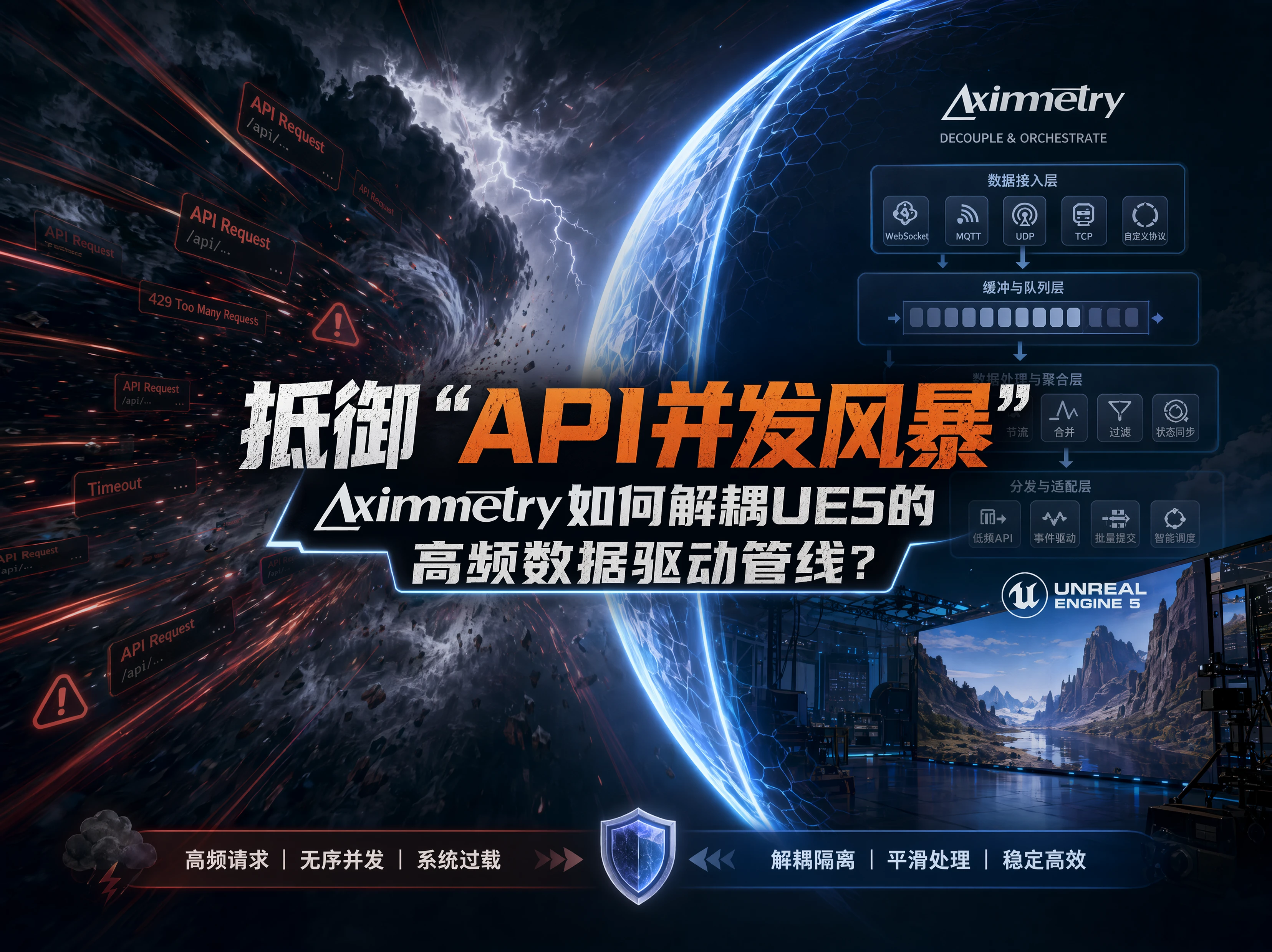
As a TD who has handled AR broadcasts for S-tier esports finals or New Year's Eve galas, if you've experienced “data-driven packaging,” you're no stranger to the fear of an imminent crash.
“Director, director! Wait, the danmaku interface just flooded in with 10,000 data entries, and UE's blueprint has frozen!” “The player just got a triple kill, and the API returned three kill signals—the AR mech's model animations are overlapping and glitching!”
This is
2026-05-15
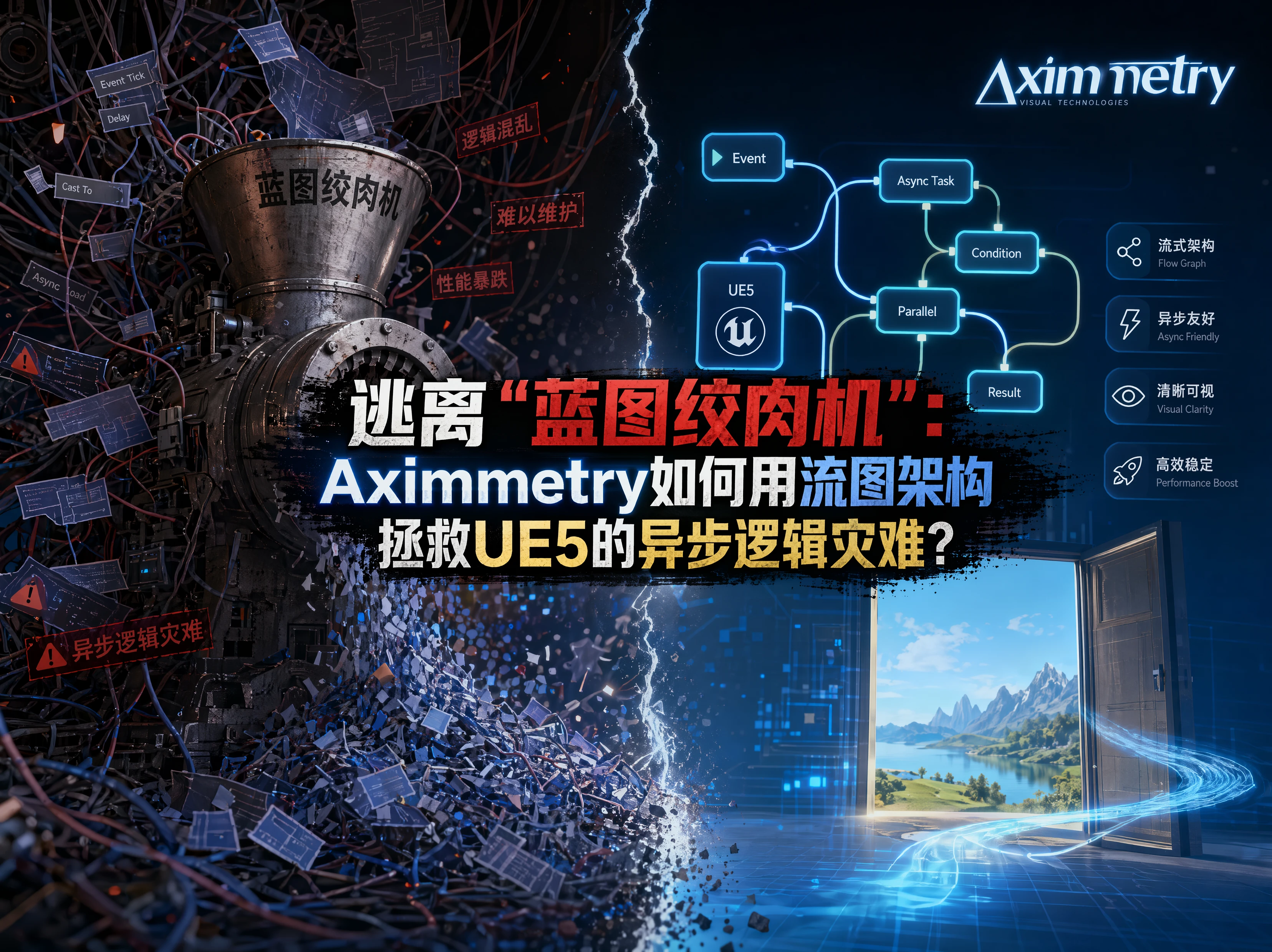
As a front-end or live broadcast TD (Technical Director), when taking on a large-scale esports XR broadcast or election vote-counting show, your biggest fear isn't “the image not being realistic enough,” but “logic spiraling out of control.”
Imagine this scenario: During the finals live broadcast, the host presses a physical button (GPIO trigger); this needs to immediately fetch external API data for player stats (asynchronous network request HTTP); the data
2026-05-15
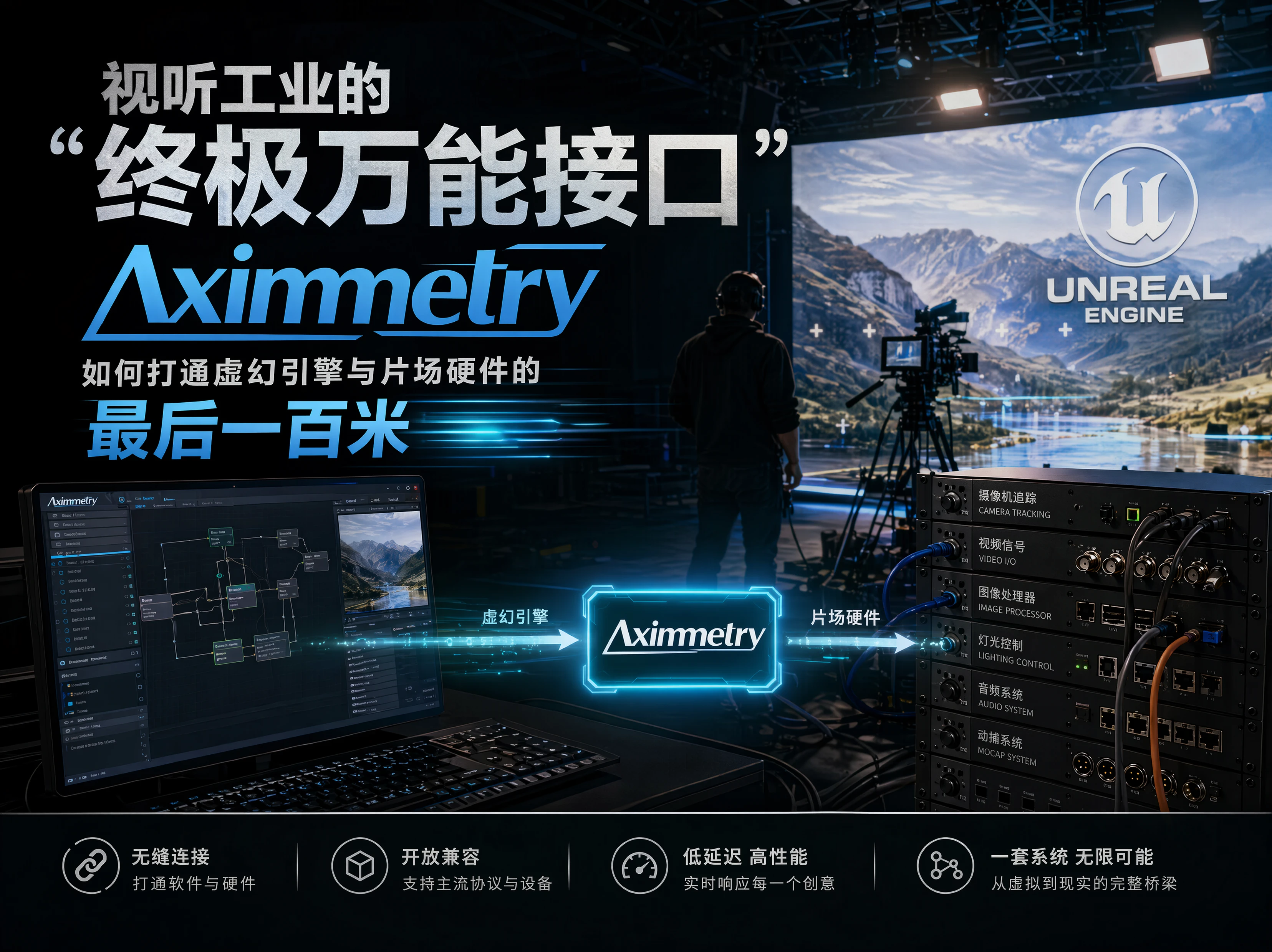
Stepping into a multi-million-dollar virtual production (VP) studio or a top-tier AR live broadcast center, outsiders see technological awe, but insiders often see a “communication disaster.”
On this set, it's packed with various high-priced, eccentric “top experts”:
Optical tracking camera cranes (like Mo-Sys, Ncam) are full of obscure 6DOF spatial coordinate signals;
Virtual
2026-05-14
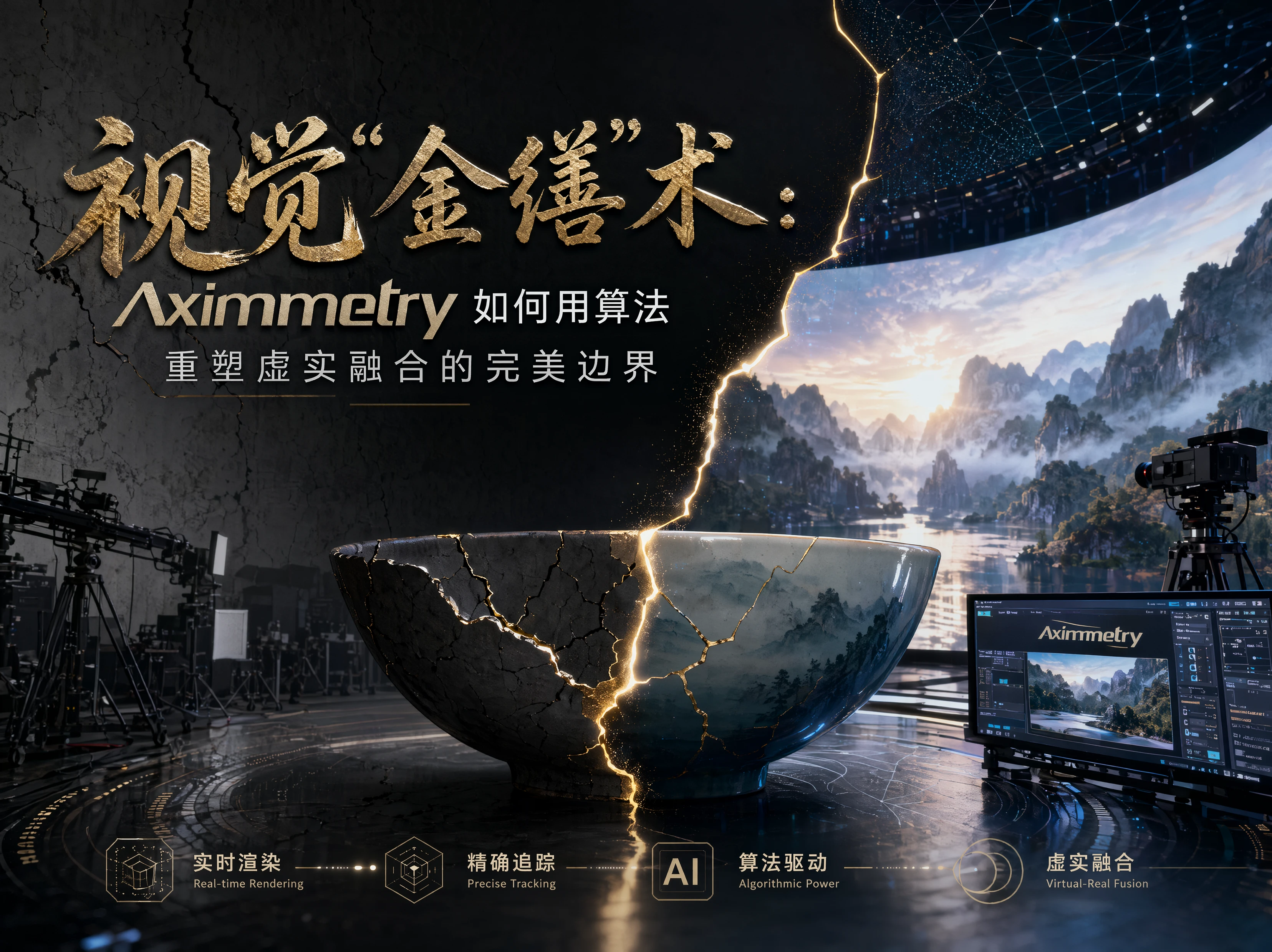
Any attempt to forcibly stitch together the real world and the digital world is bound to create cracks.
When you place a real actor in front of an LED screen playing Unreal Engine (UE5) footage, or when you cram a 3D model into a live TV broadcast frame, your brain acts like a quality inspector with a magnifying glass, instantly spotting those jarring gaps:
As the camera moves, the background's perspective slips slowly
2026-05-14
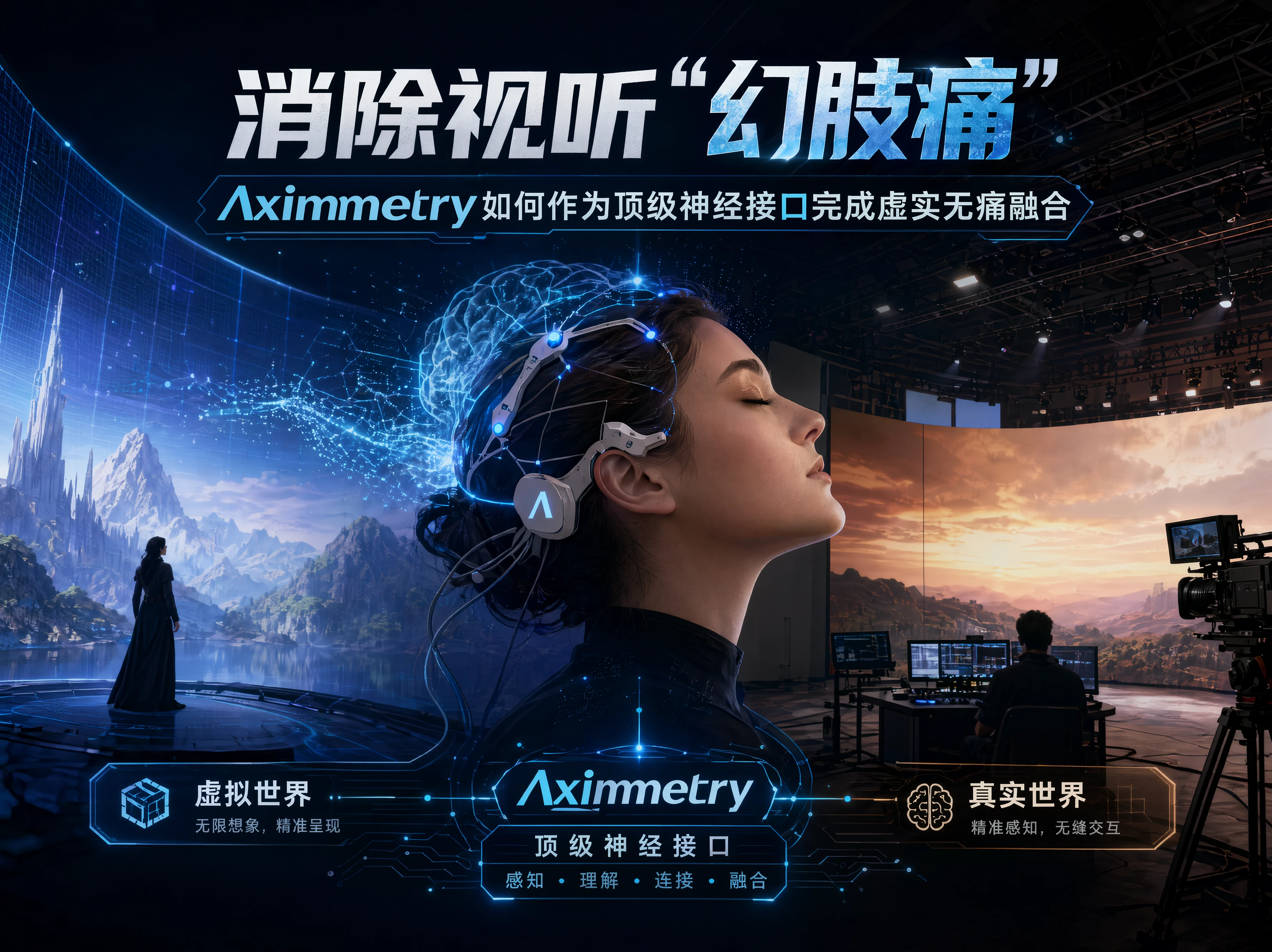
Imagine if you had a powerful robotic arm, but when your brain sends the command to “raise your hand,” the arm responds 0.1 seconds late; or when you touch a hot stove, the arm doesn't sense the temperature change. Your brain would instantly fall into chaos, triggering a strong rejection response and “phantom limb pain.”
In today's heavily invested virtual production (VP) or top-tier AR live broadcast sites, the entire crew is actually experiencing a similar “
2026-05-14
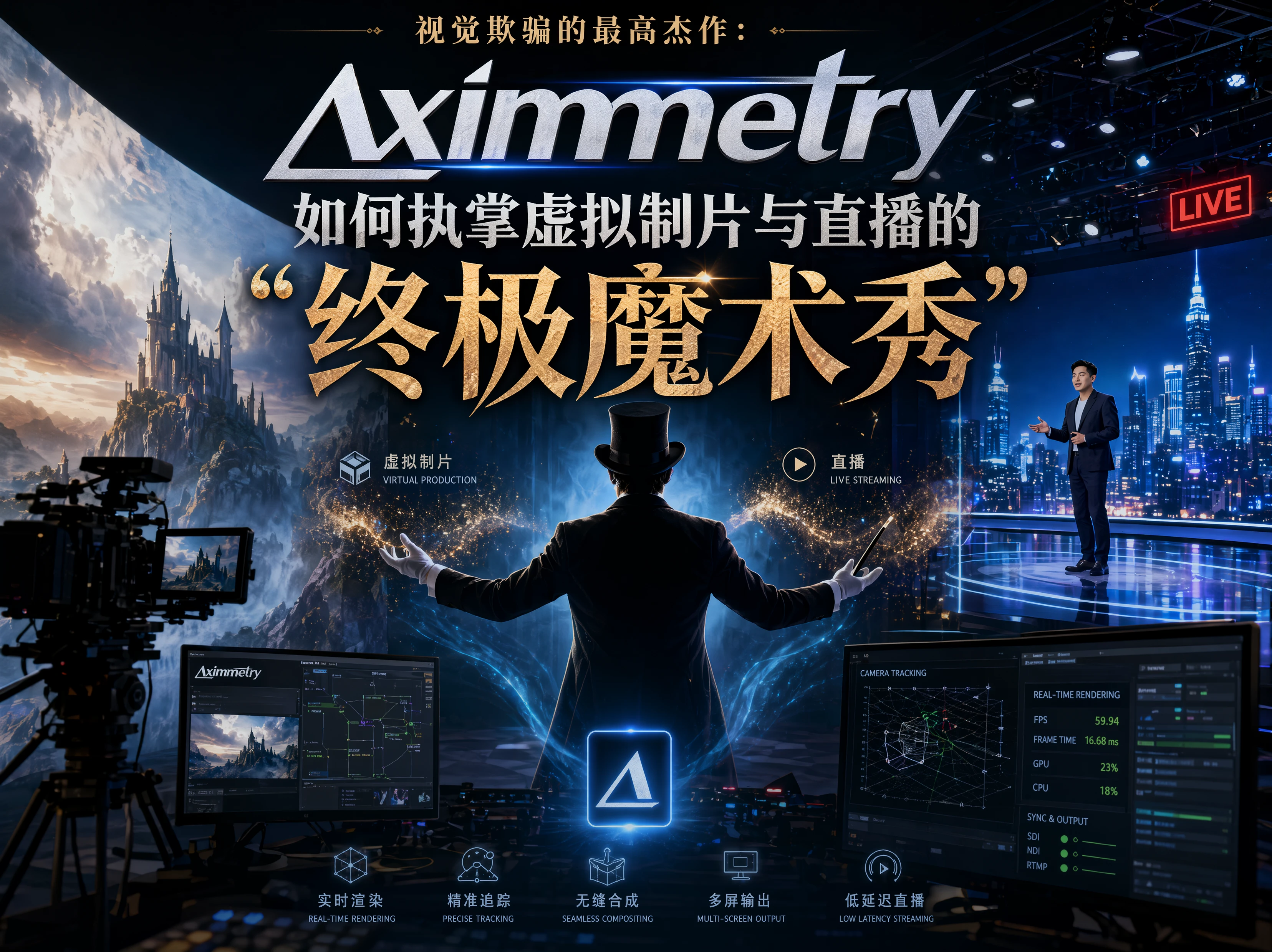
All great magic must follow one iron rule: the audience must not see the trick.
Film VFX, virtual production (VP), and high-end AR broadcasts are essentially massive industrial magic shows costing tens of millions, performed under the gaze of millions of viewers worldwide. We need to conjure an infinite cosmic ruin in a studio of just a few dozen square meters; instantly “teleport” someone in London to a studio in Beijing; or even turn intangible data into a tangible
2026-05-14
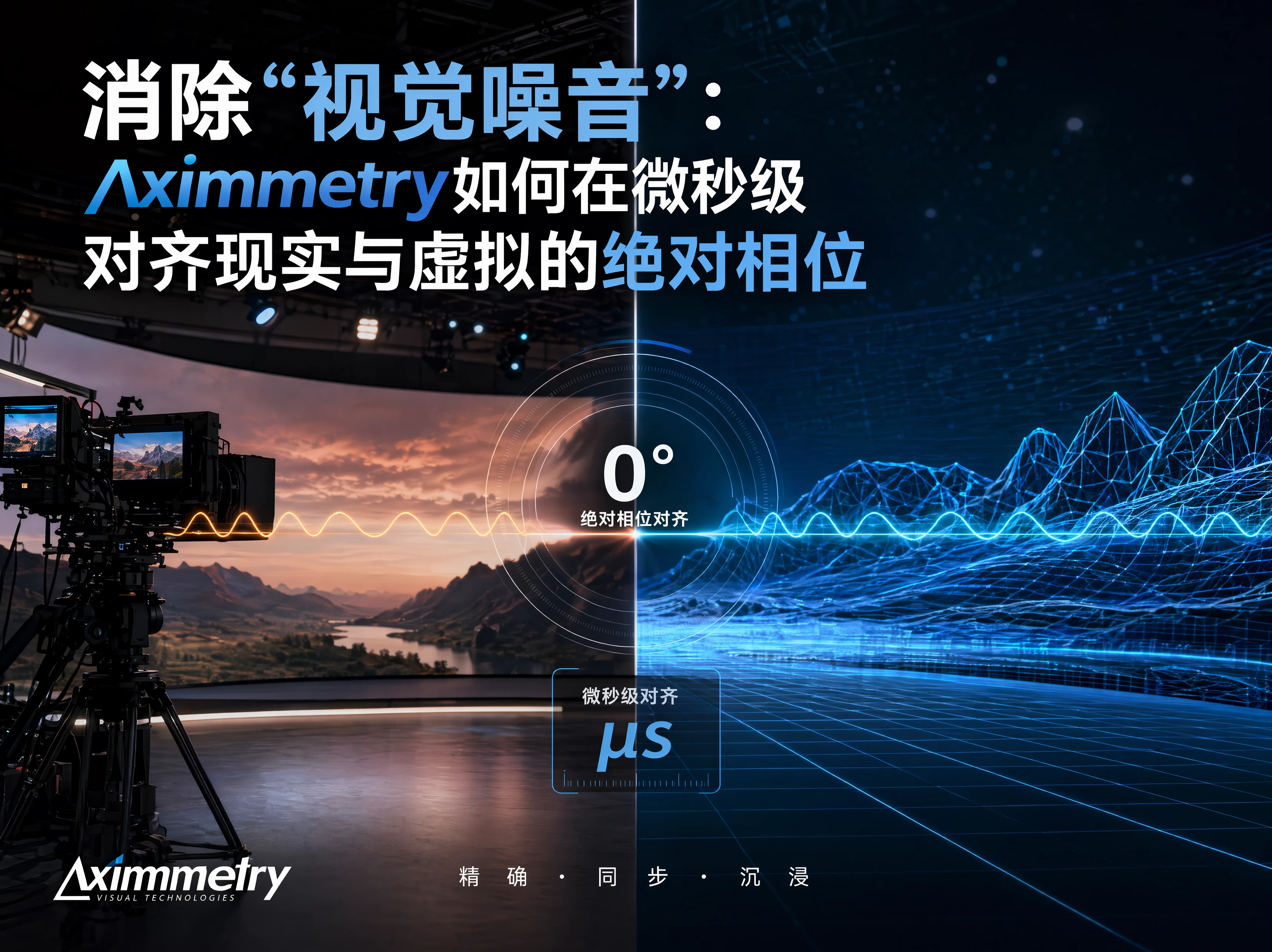
If you've ever worn active noise-canceling headphones, you must have marveled at that instant magic of the world going quiet. The principle of noise-canceling headphones is to calculate the sound waves (phase) of external noise with extreme precision, then emit a completely opposite sound wave to cancel out the noise.
2026-05-13
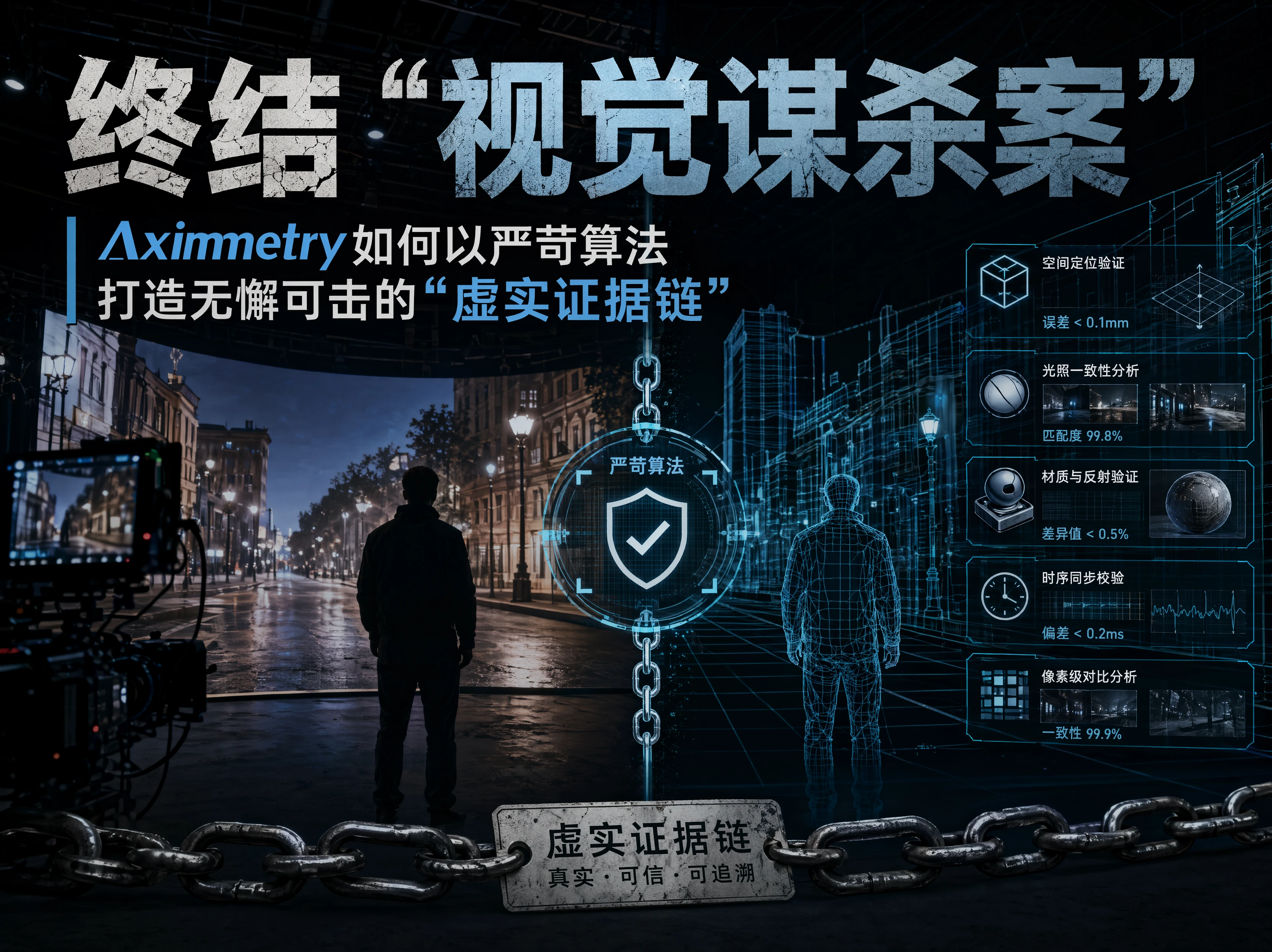
A virtual production (VP) blockbuster costing tens of millions to build, or a globally watched esports AR live broadcast, can often collapse instantly due to a detail lasting less than half a second.
2026-05-13
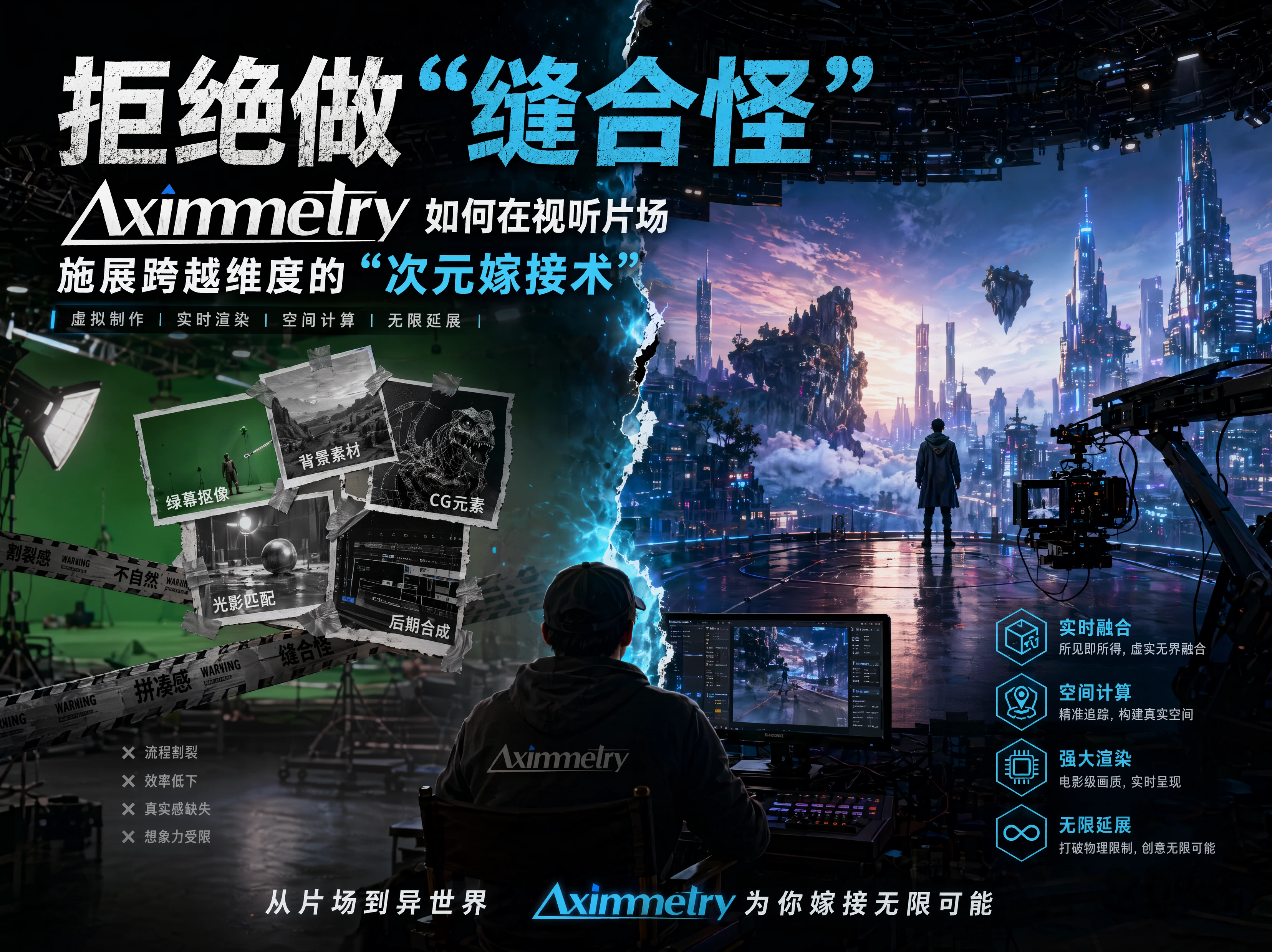
Looking back at the history of audiovisual effects development, it has always been accompanied by a slightly bloody term—“stitching.”
2026-05-13
 简体中文 简体中文
  English