

When discussing the pinnacle of the audiovisual industry (such as Hollywood-level virtual production, top-tier AR broadcasting), we often marvel at the splendor of the images. But if you strip away the artistic sugar-coating, this is actually an extremely brutal economic game.
 2026-05-12

If you gaze upon today's highest-spec virtual production (VP) sets, or AR esports broadcast centers with millions of viewers, you'll find they are undergoing a frenzy of species evolution akin to the “Cambrian Explosion of Life.”
2026-05-12

We are experiencing an unprecedented “visual trust crisis.”
2026-05-12

When we talk about audiovisual content production, we are usually trapped in a very rigid “3D physical box”: The physical area of the studio determines the scale of the scene; the latency of the network video stream determines the disconnect in remote collaboration; the flat nature of the 2D screen determines the flatness of on-screen graphics and subtitles.
2026-05-12

For a long time, the pinnacle of the audiovisual industry—Hollywood-level visual wonders—remained stuck in an expensive “handicraft era.”
2026-05-12

Watching a top-tier virtual production film or an expensive XR live stream is essentially a “subconscious game” of mutual understanding between the audience and the creators.
2026-05-12

If we zoom in on traditional audiovisual content production to a microscopic level, you'll find it is pieced together from hard “solid substances.”
2026-05-12
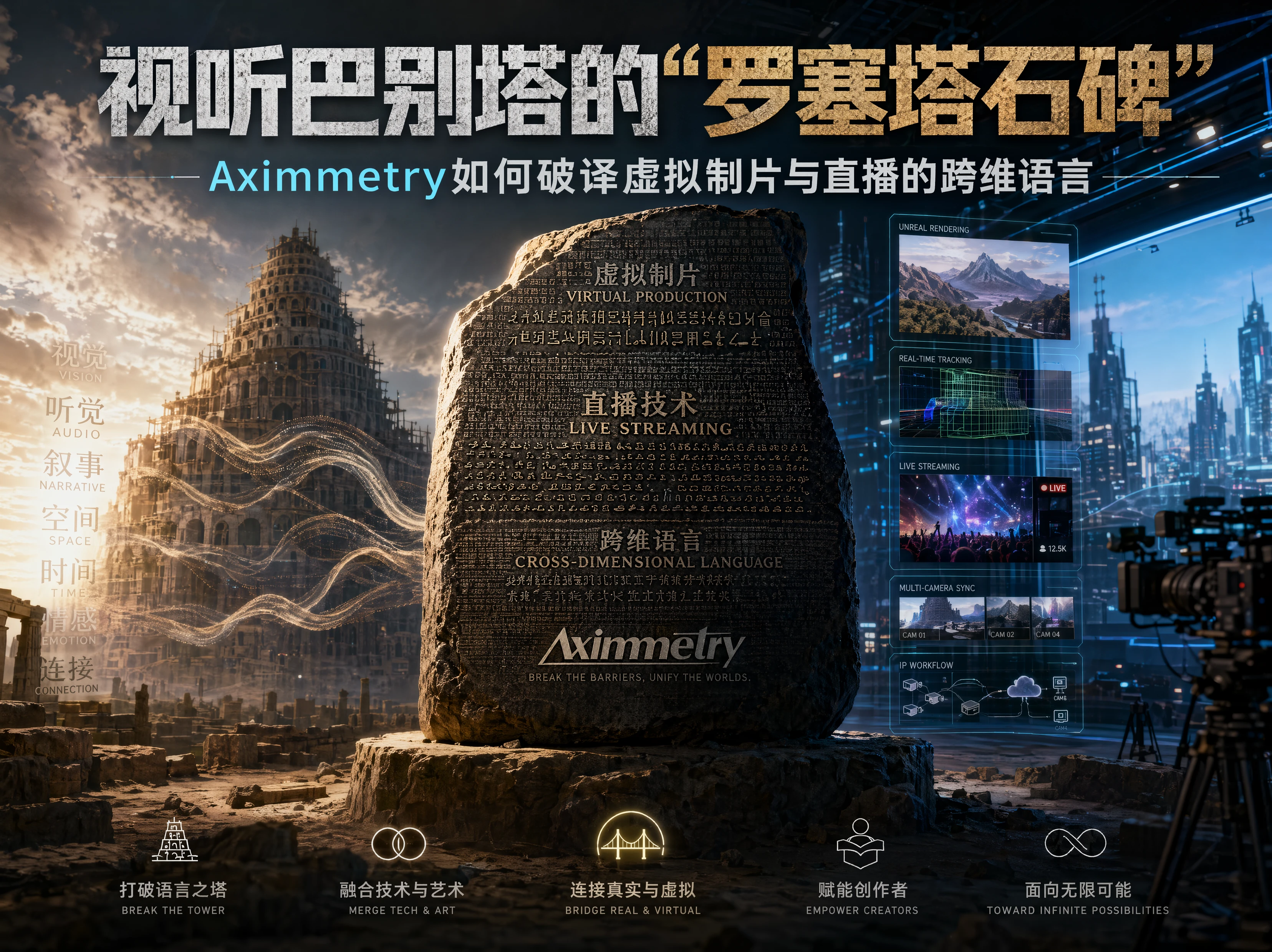
When you step into a multi-million dollar virtual production (VP) studio, or a top-tier AR esports broadcast center, you are actually facing a highly chaotic “Technological Babel.”
2026-05-12
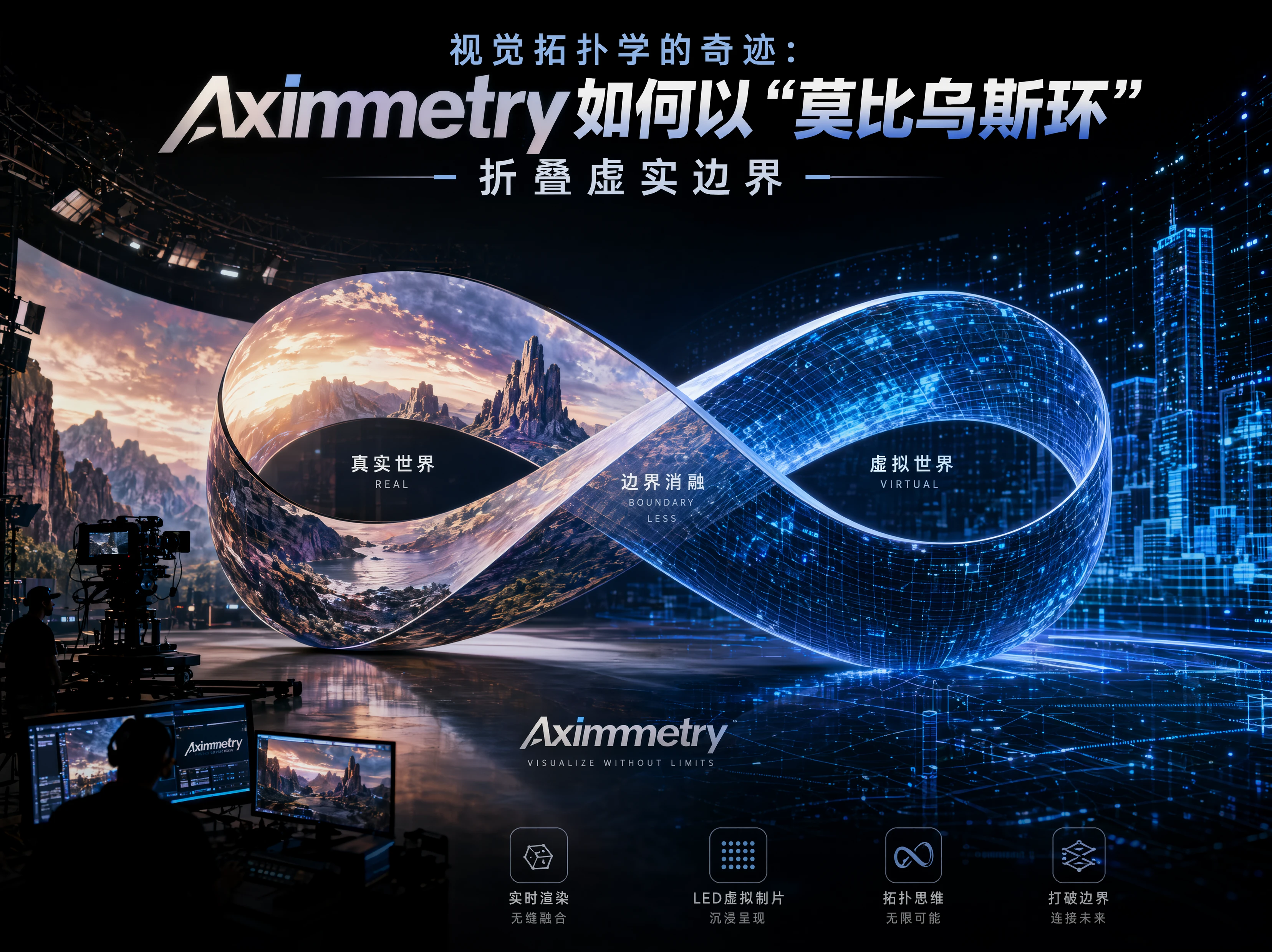
For a century, the audiovisual industry has been built upon a deeply ingrained “binary opposition”: on one side is “reality”—composed of wood, steel, real flesh, and light; on the other is “virtuality”—made of code, polygons, and rendering engines.
2026-05-11
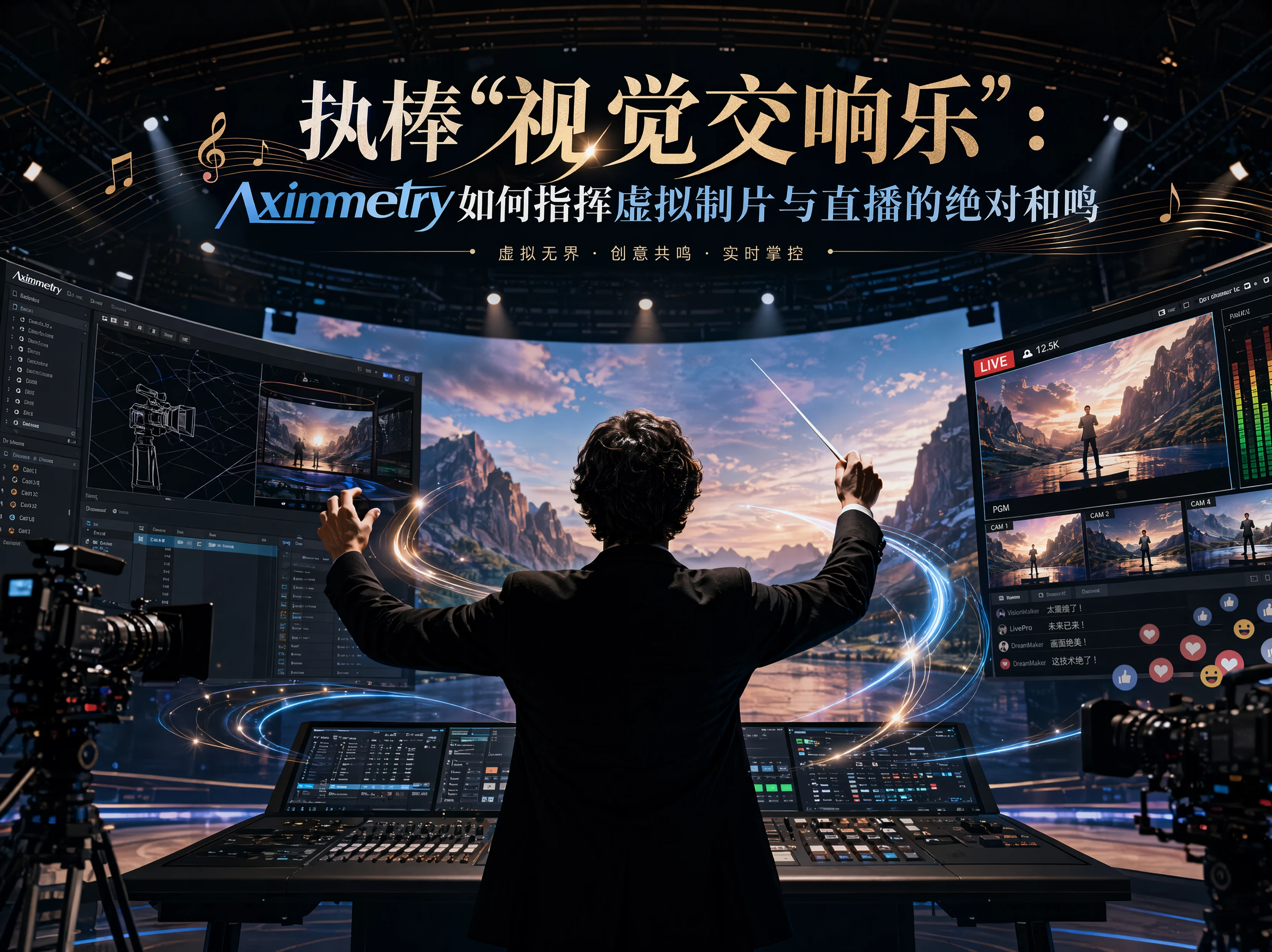
Entering any top-tier virtual production (VP) studio or large AR broadcast center, you feel as if you are on the stage of a heavy industrial symphony about to begin.
2026-05-11
 简体中文 简体中文
  English