
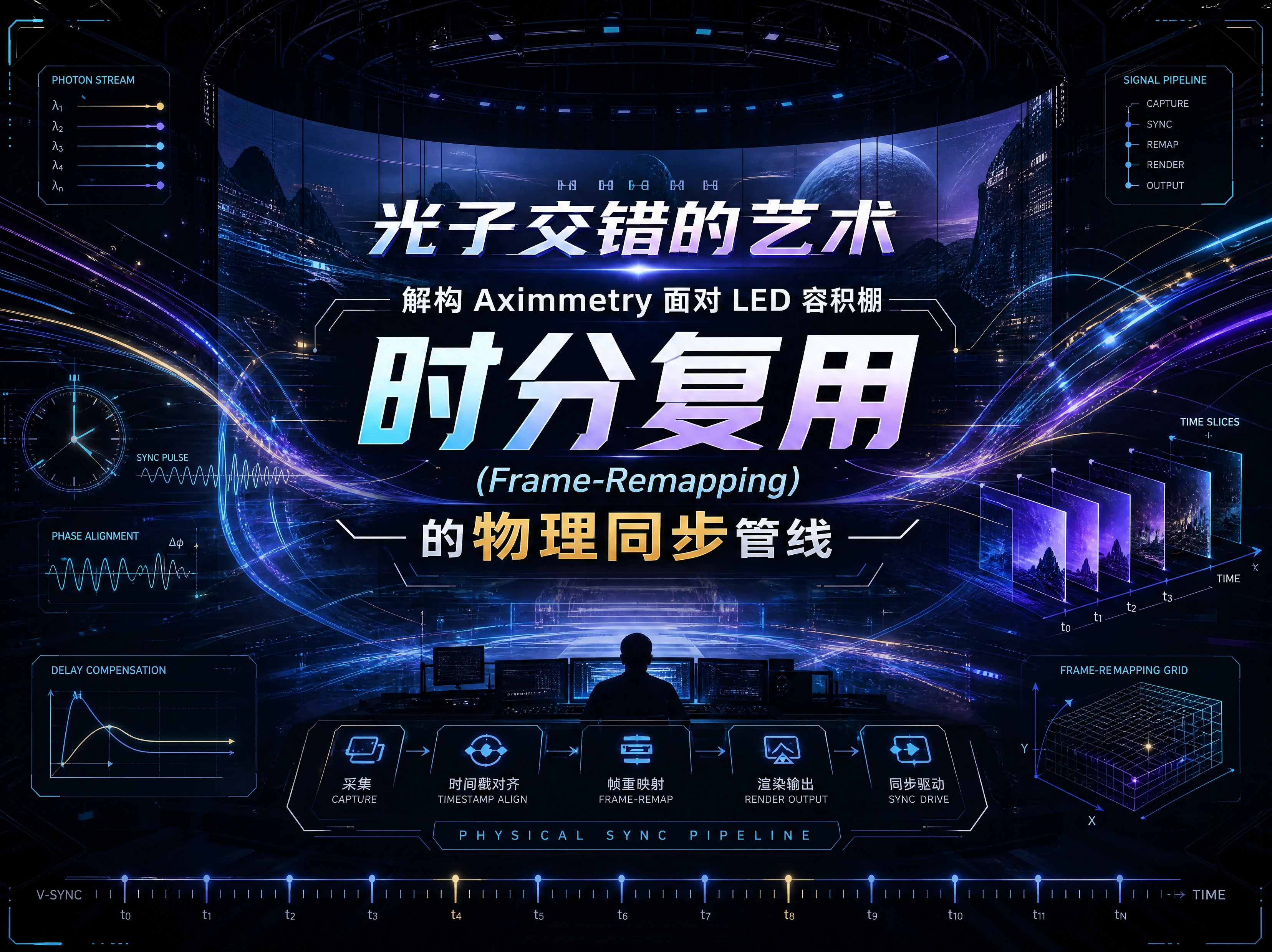
On the set of cinematic LED virtual production (ICVFX), the most expensive asset is not the graphics card, nor the LED screen, but time.
To maximize shooting efficiency, directors often demand “multi-camera simultaneous shooting.” For example, Camera A shoots a wide shot while Camera B simultaneously captures an actor's close-up. However, in front of a single LED wall, this can lead to a devastating “frustum collision."
 2026-05-21
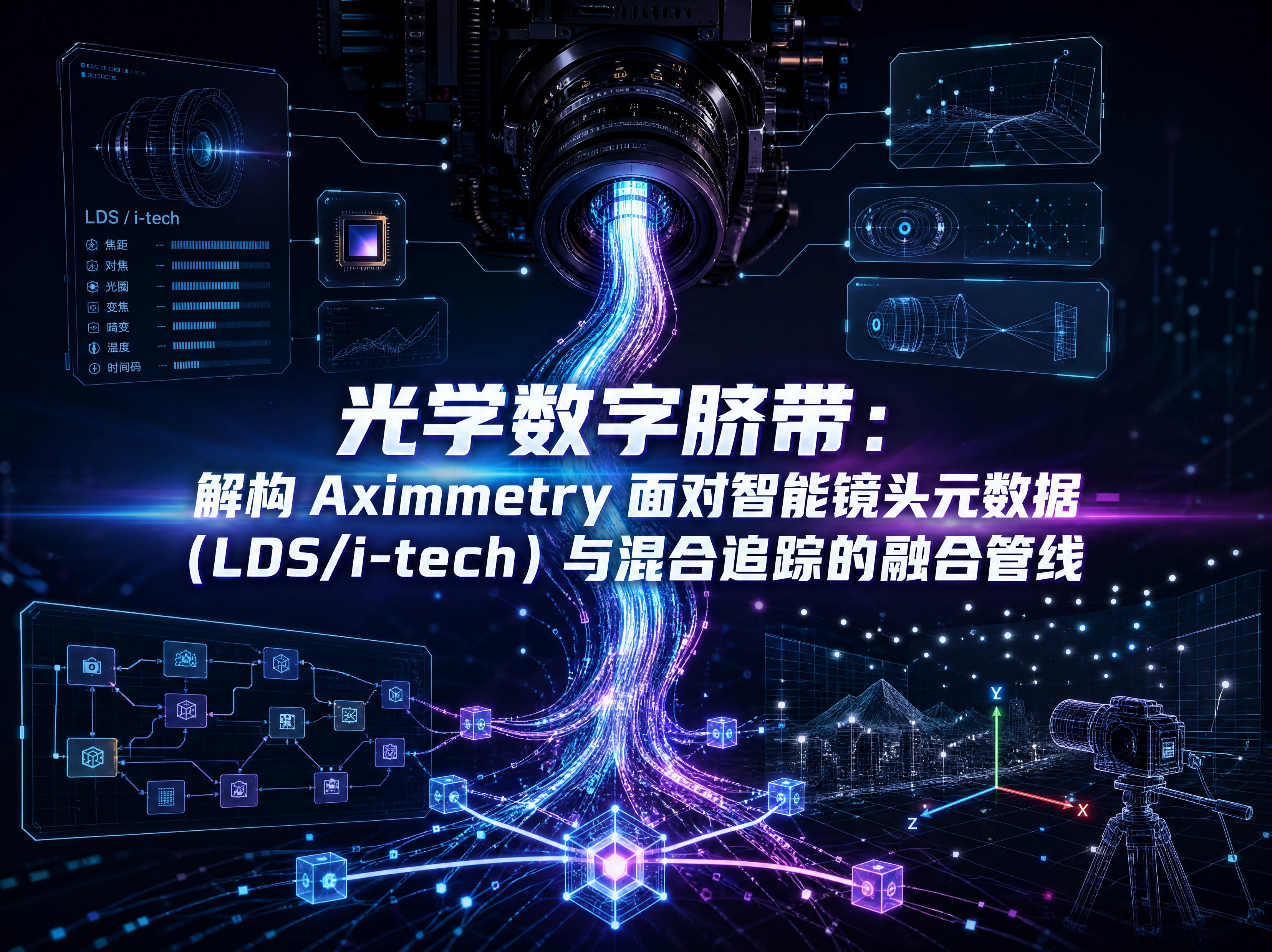
On the set of cinematic virtual production (ICVFX) and high-end car shoots/commercials, technical teams often encounter an insurmountable “optical divide” when bridging the “virtual and real spaces.”
Traditionally, we rely on external spatial tracking systems (such as Mo-Sys StarTracker, Vicon, Ncam) to obtain the 6DOF (six degrees of freedom) spatial coordinates of the camera body. For the lens's FIZ
2026-05-21
If you take on a multi-million dollar immersive cultural tourism large-space project (like a 500-square-meter holographic interactive digital forest), as the system's chief architect, what you truly face is far more than “rendering an extremely realistic glowing tree.”
2026-05-21
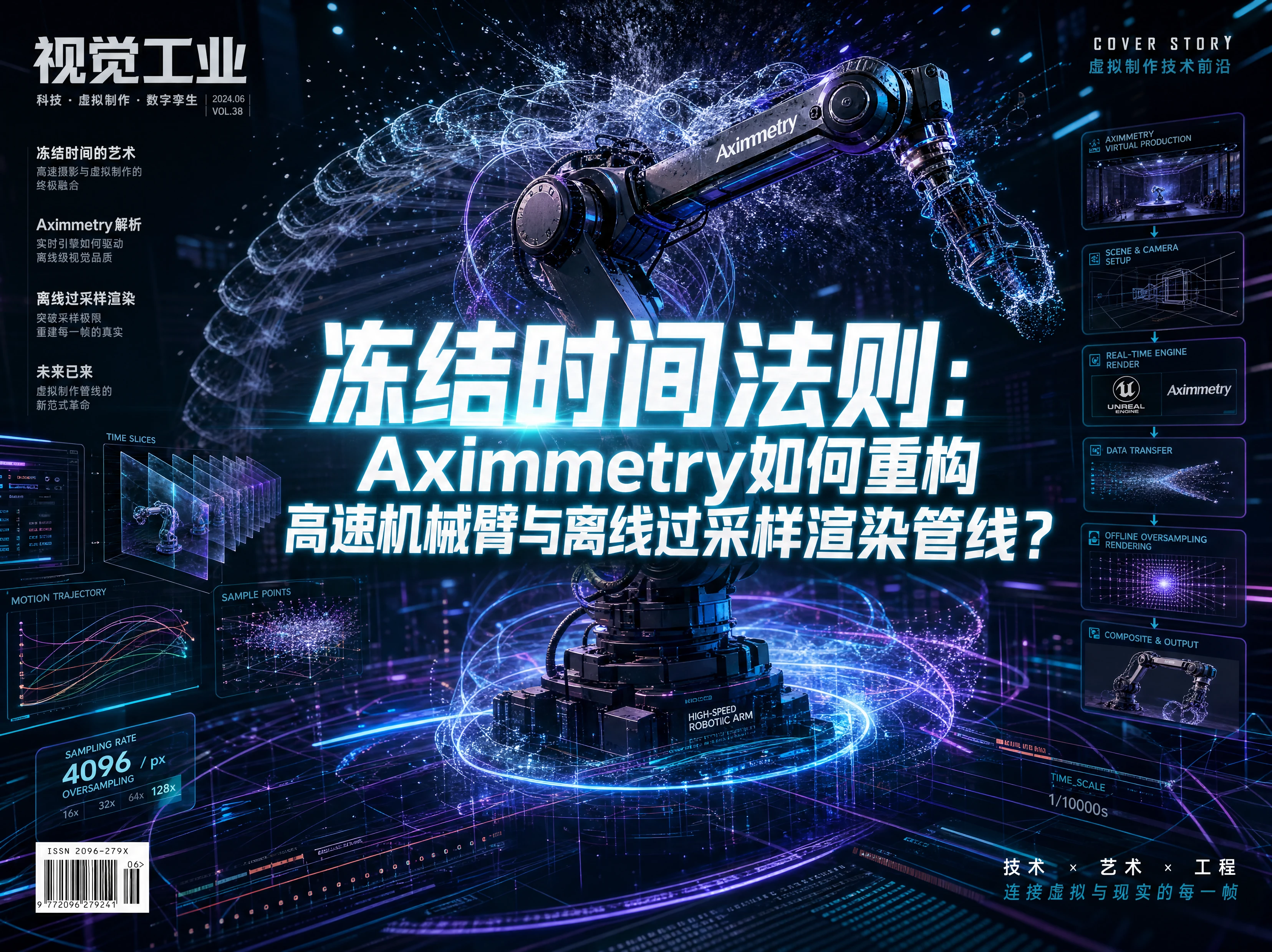
When the director demands using a Bolt robotic arm to fly past a water droplet at an extreme speed of 1000 frames per second (1000fps) within one second, while requiring the virtual background (a micro-world rendered in UE5) to perfectly align with the real water droplet in both spatial perspective and temporal dimension, a technical dead end emerges.
2026-05-20
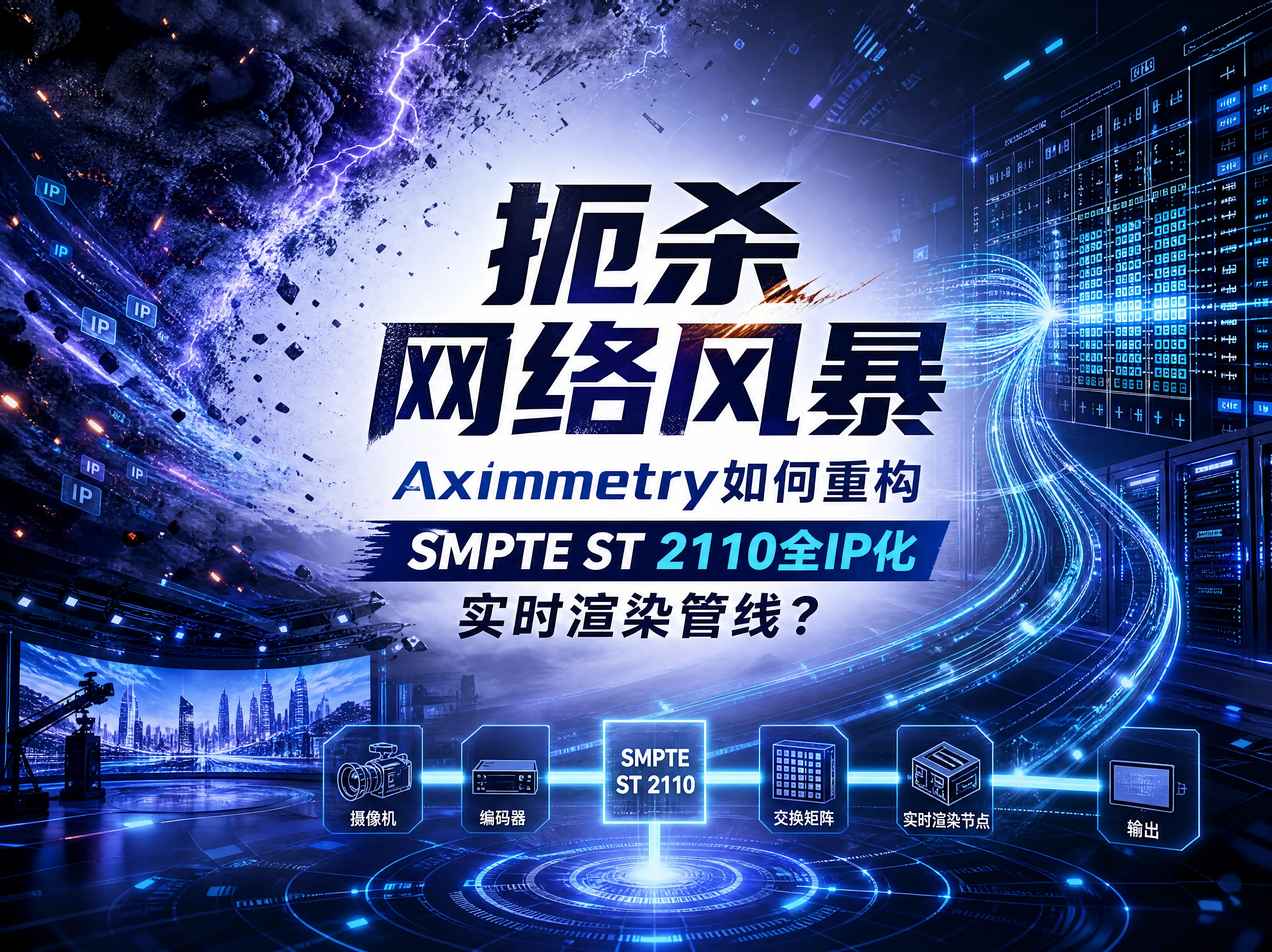
Over the past half-century, broadcast engineers have held an almost religious fervor for SDI cables. The advantages of SDI are clear: point-to-point, zero packet loss, absolute synchronization. Plug in a cable, and as long as there's a signal, it will never go wrong.
2026-05-19
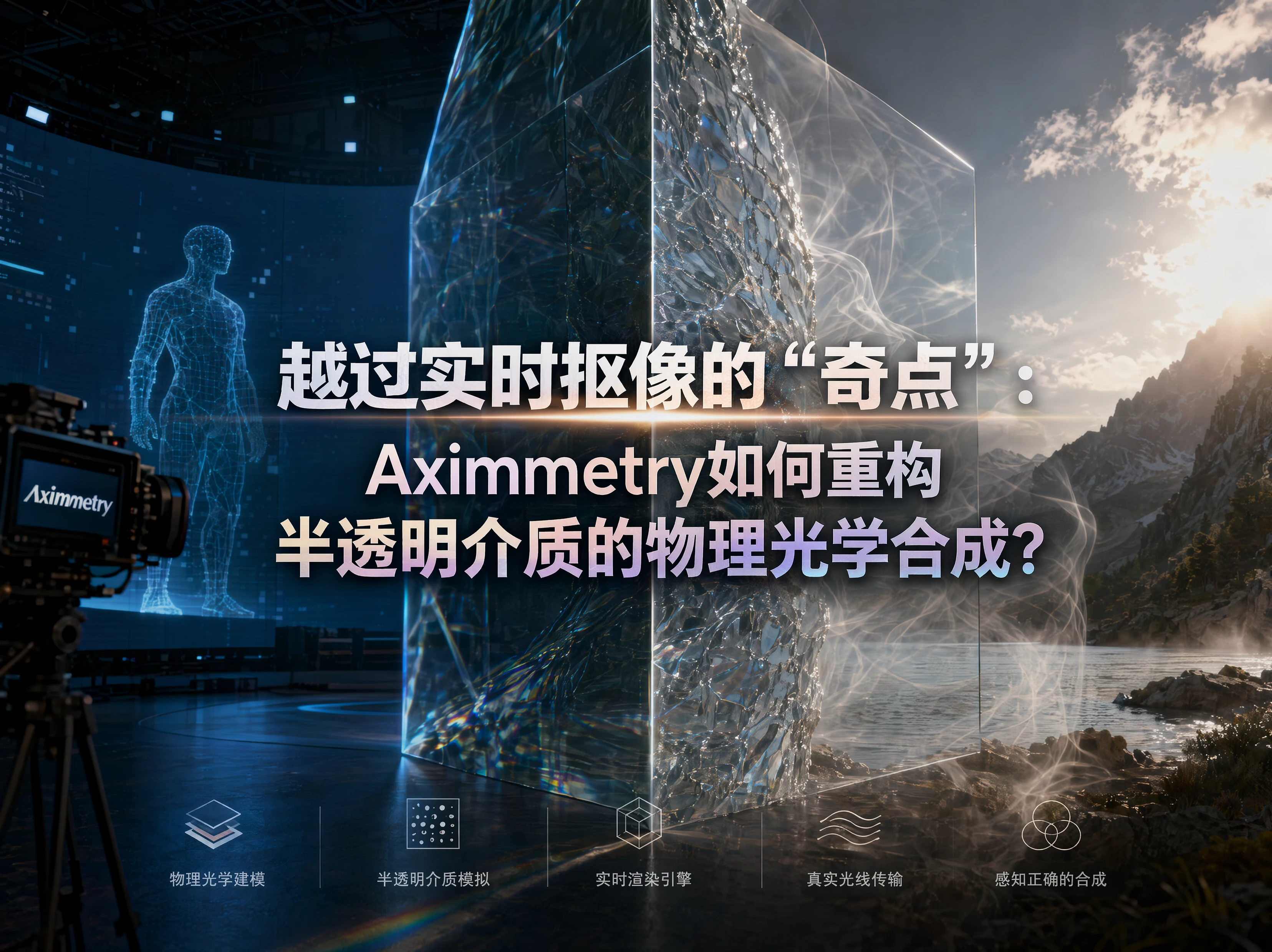
In the field of cinematic real-time compositing, the test of whether a TD (Technical Director) or a system is truly top-tier is not about how complex an alien battlefield they can render. You simply place a “glass filled with water” in front of a green screen and have them composite it into a virtual background.
2026-05-18
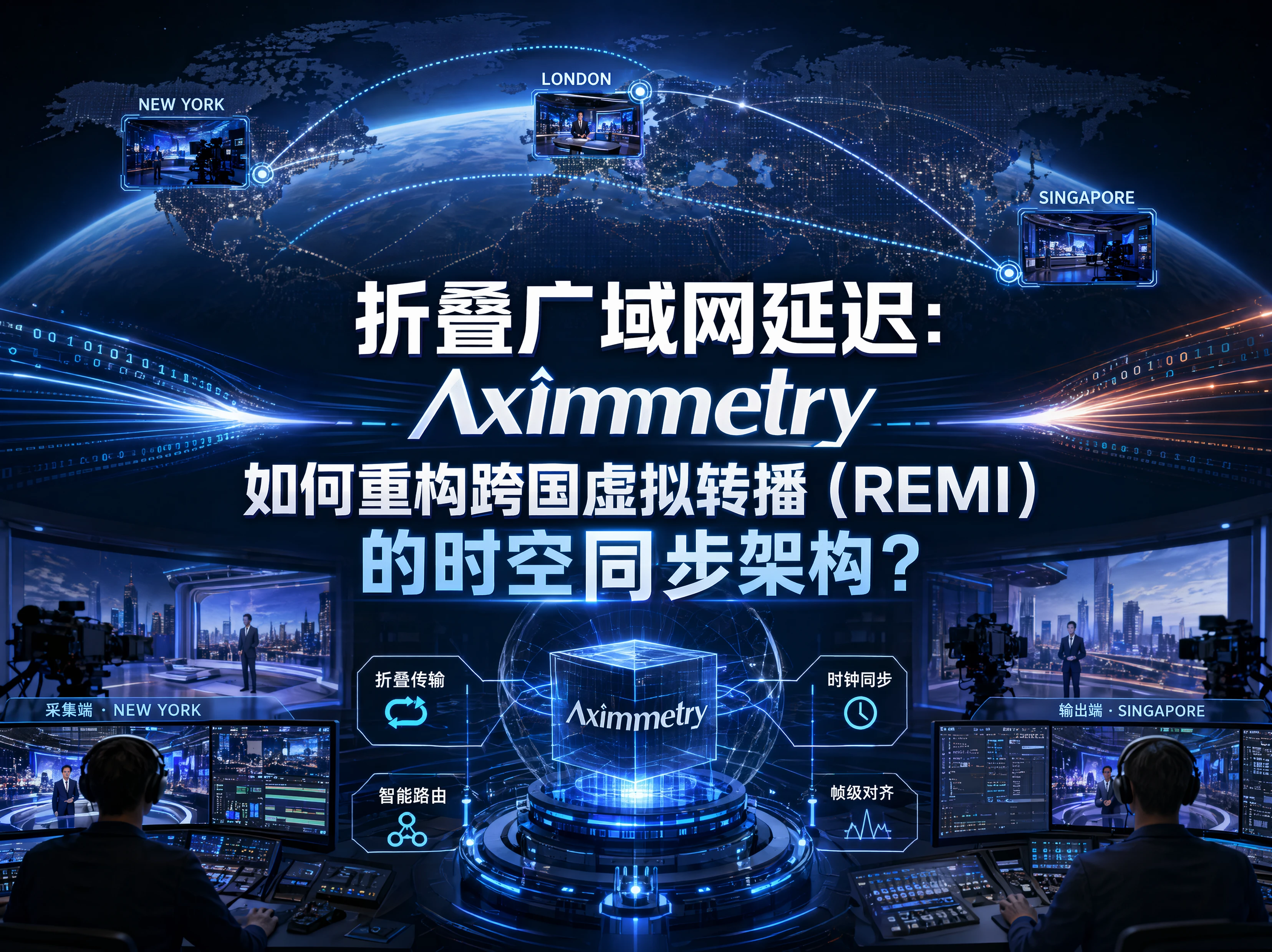
Imagine such an S-level broadcast project requirement: The main director's room and master control room are in Los Angeles; Host A is in a London sub-studio with a green screen; Guest B is in another green screen studio in Tokyo. The director demands that these two real people, thousands of miles apart, must sit on the same virtual studio sofa in real-time, and when the London host hands over a virtual trophy, the Tokyo guest must visually “catch it seamlessly.”
2026-05-18
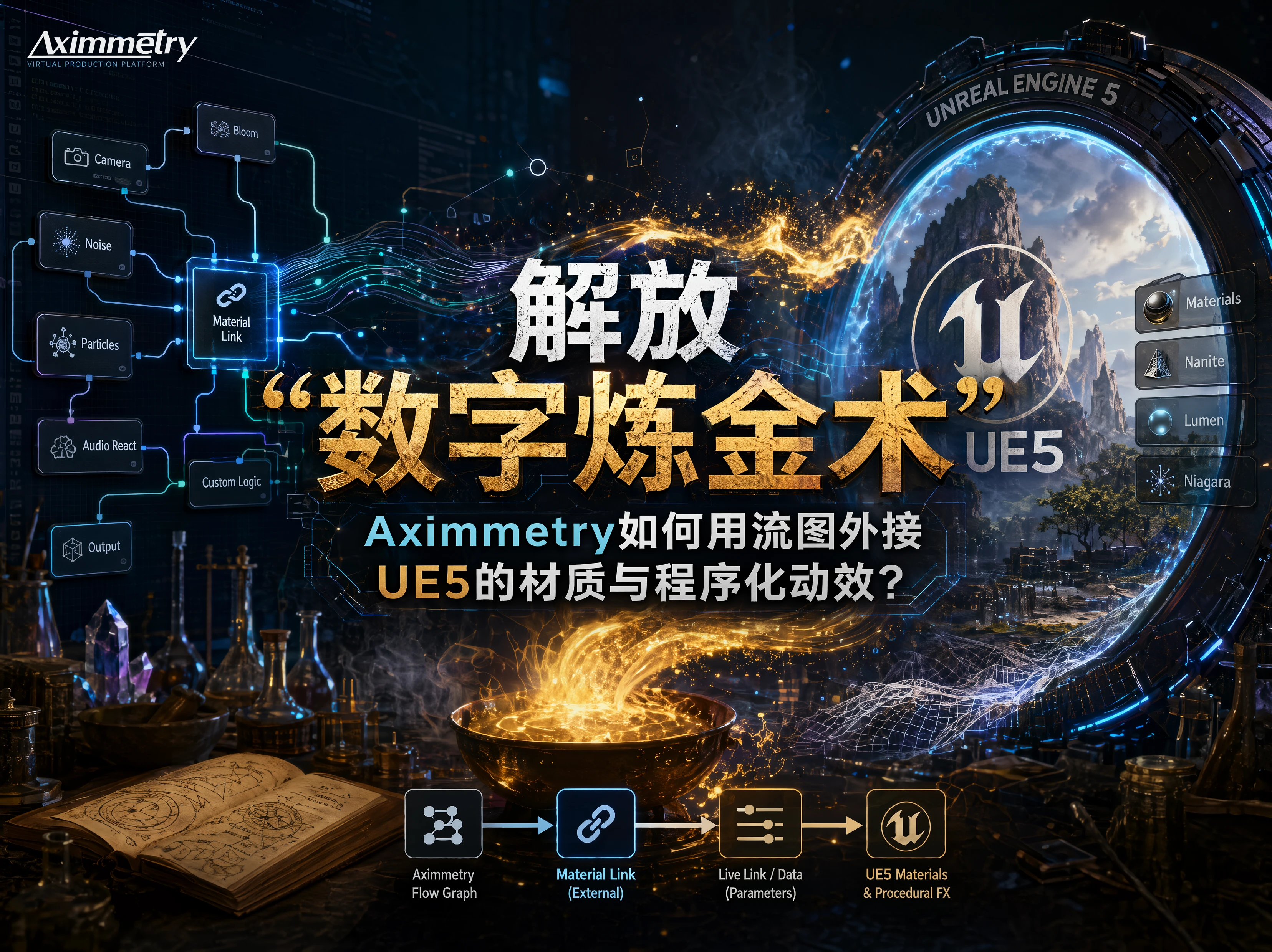
In a high-end AR broadcast or esports studio, as a real-time motion designer or TD, what director's command do you fear hearing the most?
Not “help me add a model,” but rather— “Can that AR bar chart have its glow intensity follow the live host's volume? Oh, and when the votes exceed 500,000, can the bar's material instantly change from glass to liquid metal? The live broadcast is about to start soon, so fix it quickly!”
2026-05-16
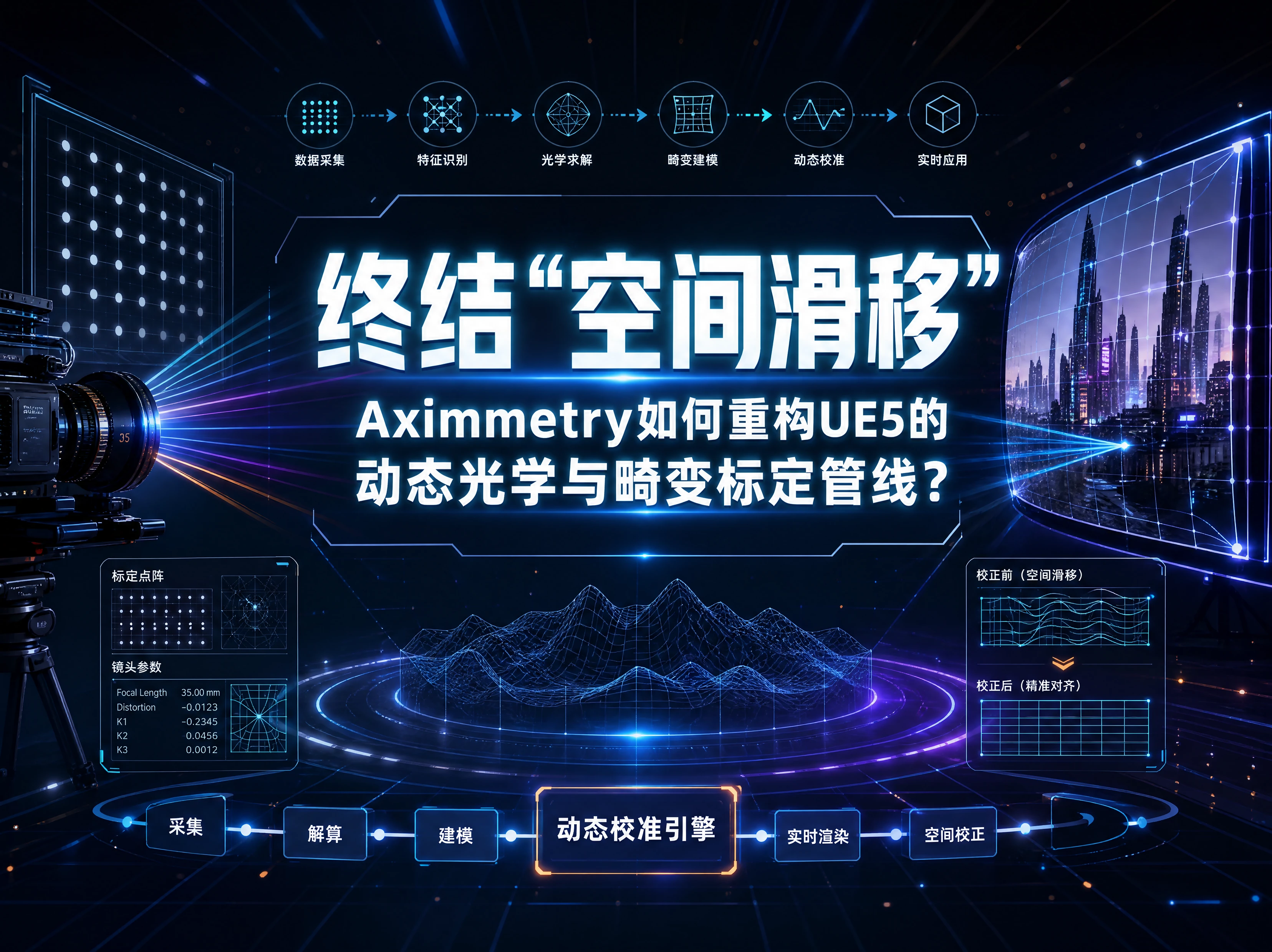
In a high-end virtual production studio, TDs (Technical Directors) have a brutally cold saying: “Static looks like a movie, moving looks like an animation.”
As long as the camera stays still, the UE5-rendered image is always flawless. But the moment the director calls “Dolly In” or the focus puller starts to “Pull Focus,” disaster strikes: the edges of the virtual background warp bizarrely, and the AR
2026-05-16
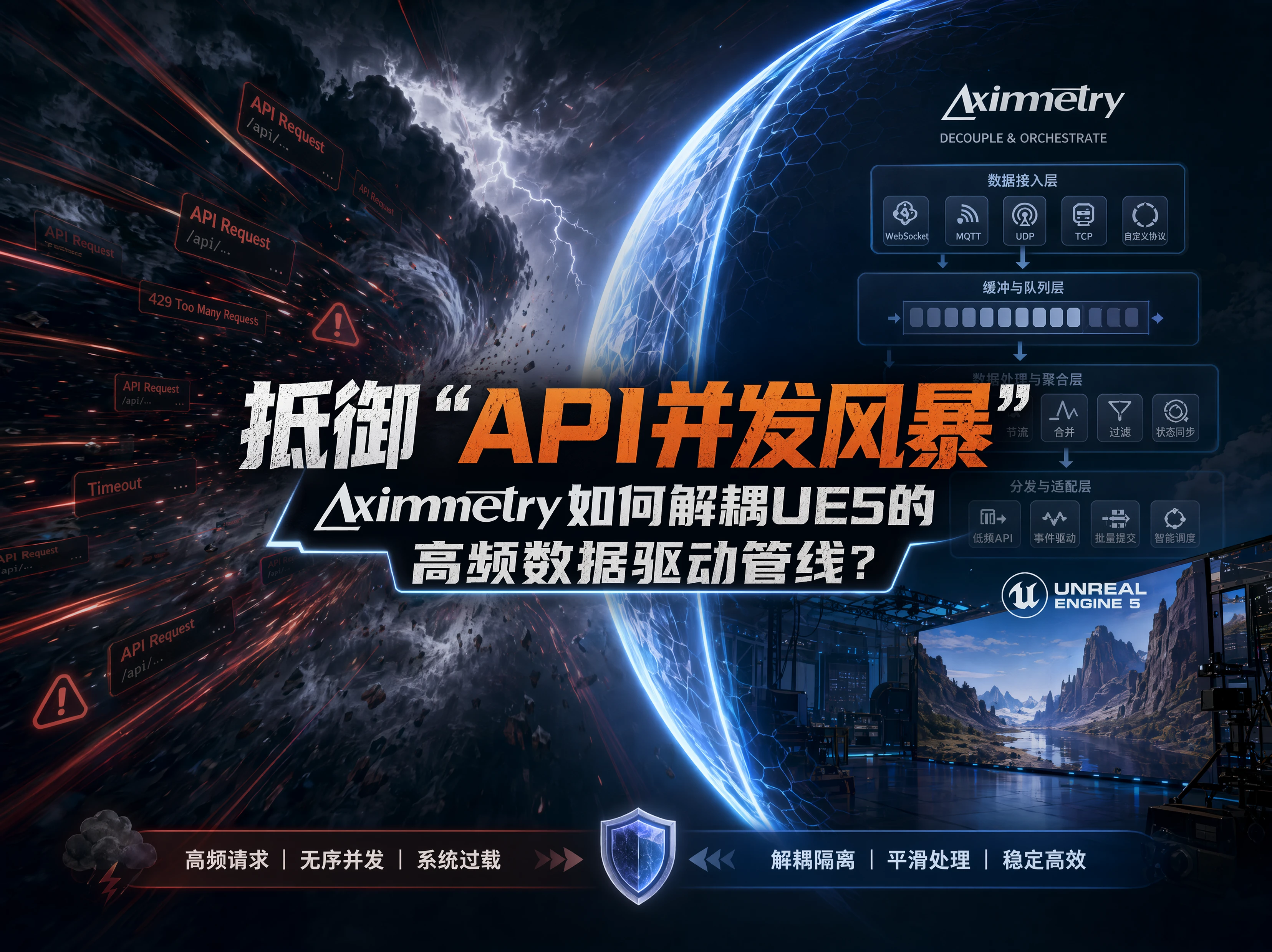
As a TD who has handled AR broadcasts for S-tier esports finals or New Year's Eve galas, if you've experienced “data-driven packaging,” you're no stranger to the fear of an imminent crash.
“Director, director! Wait, the danmaku interface just flooded in with 10,000 data entries, and UE's blueprint has frozen!” “The player just got a triple kill, and the API returned three kill signals—the AR mech's model animations are overlapping and glitching!”
This is
2026-05-15
 简体中文 简体中文
  English