
In the film industry, there is a term that all directors and cinematographers both love and hate — the “Golden Hour.”
That is the brief half-hour just before sunset or after sunrise. At this time, the sun's angle is extremely low, and the oblique light passes through the thick atmosphere, refracting into a warm, soft, dreamy orange-red. Any scene, under the filter of this moment, instantly becomes filled with epic poetry.
To capture this half-hour of “
In the film and television production industry, there is a “industry jargon” that has been circulating for decades, and it is also the beginning of every VFX artist's nightmare —
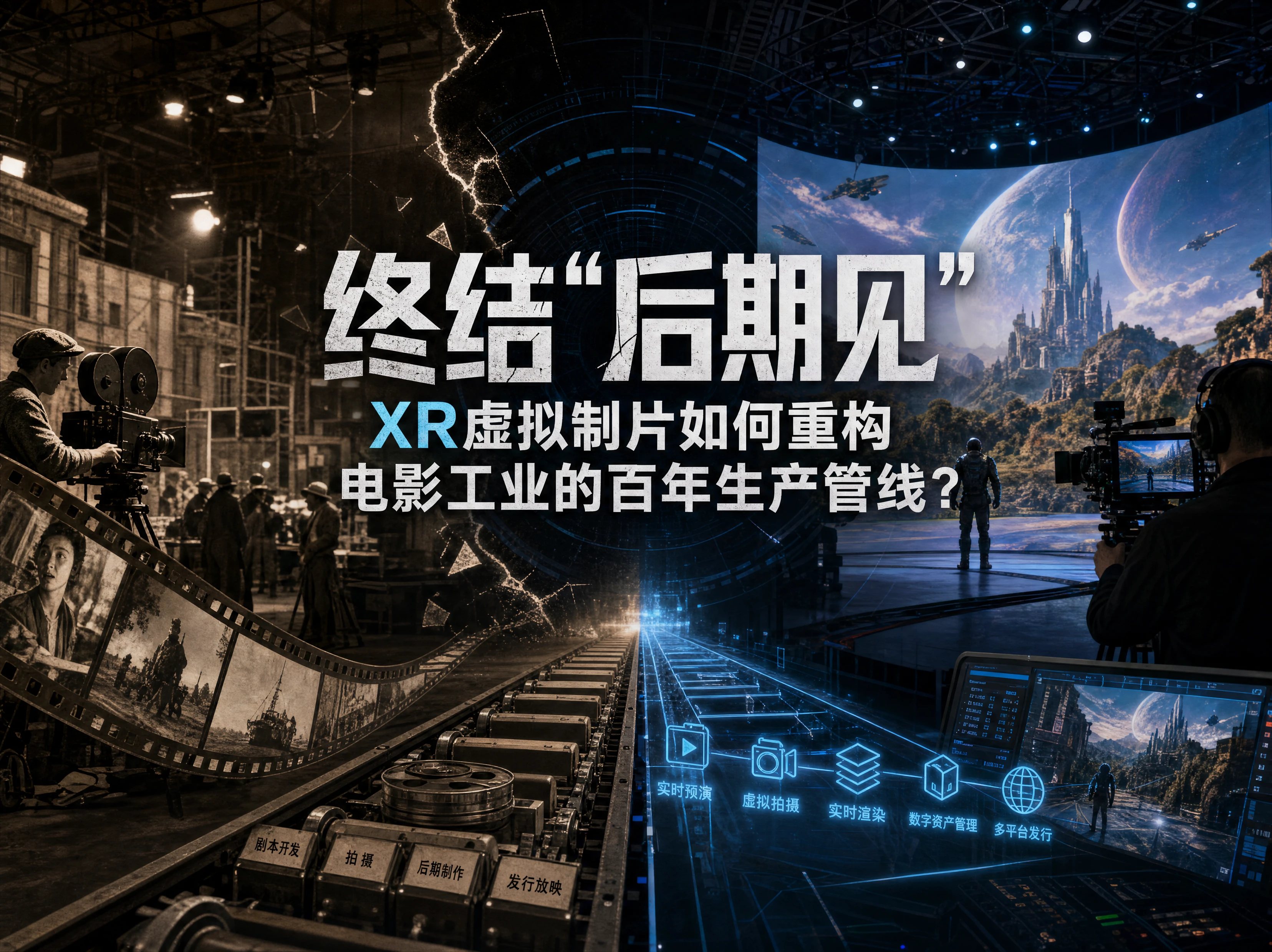
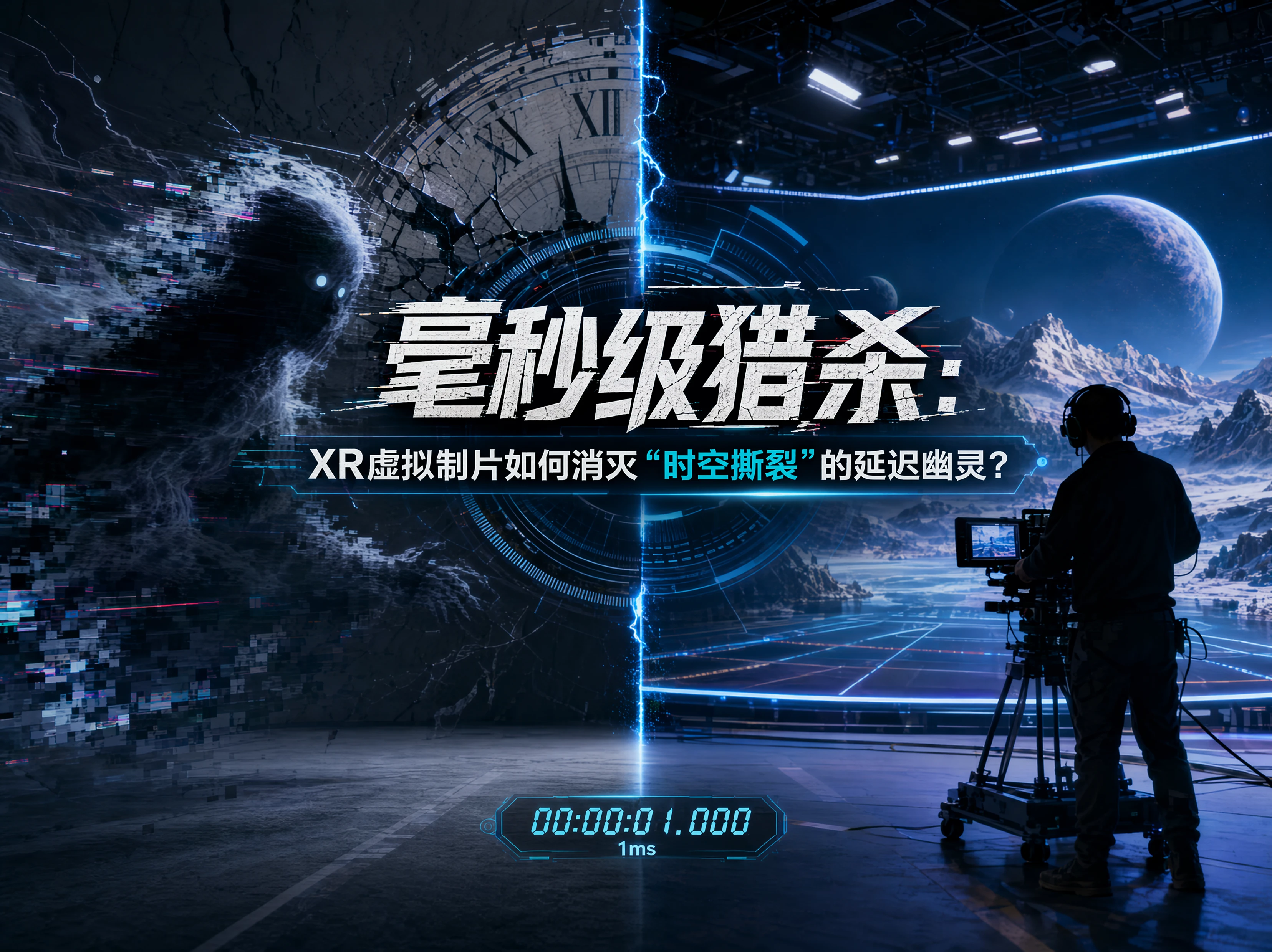
“Don't worry, we'll fix it in post.”
Wind noise on set ruining the shot? Fix it in post. Lighting doesn't match? Adjust it in post. Actor's expression not quite right? Touch it up frame by frame in post. For a long time, “post-production” has been like a bottomless pit, silently bearing all the mess left behind by on-set shooting.
If XR virtual production freed the crew from the shackles of the physical world, then the explosion of Generative AI has given XR a pair of wings to reach the realm of the creator.
In the past, although XR production was powerful, it still had a huge pain point: expensive and slow “digital asset development.” To present a high-precision 3D sci-fi city on a large screen, concept artists, 3D modelers,
In the past film and television industry, there was a mysterious profession known as the “most enviable” — the Location Scout.
Their job was to travel the world at the company's expense. To fulfill a director's script line like “a desolate alien canyon” or “a lonely rainy night street,” they would carry a camera and travel to Iceland's black sand beaches, the heart of the Sahara, or the hidden alleys of Tokyo. They are the “eyes” of the crew, measuring the world with their steps.
In the film industry, there is a widely circulated “maxim”: Great art is often born from suffering.
To capture the ultimate realism in *The Revenant*, Leonardo DiCaprio ate raw bison liver in the minus 30-degree wilderness and swam in icy rivers, nearly freezing to death; to shoot a scene of solitary smoke in the desert, the entire crew had to endure 50-degree heat on the scorching sand, with heatstroke and dehydration being common occurrences.
For a long time, the film and television industry
Stepping into today's most cutting-edge film production bases, the scene before you might leave traditional filmmakers a bit puzzled.
No dusty outdoor sets, no mountains of physical props, and even the director is no longer holding a monitor and megaphone, but a game controller or an iPad.
In front of them, on a massive circular LED screen, a 3D virtual world from game software is running in real-time.
Do you trust your own eyes?
The golden glint reflecting off the protagonist's eye at sunset; the rapidly flowing neon reflections on a speeding sports car's metal body; the vast and deep rotating nebula on an astronaut's visor...
In front of the screen, you are deeply moved by these incredibly realistic details. But the harsh truth is: it's all fake.
There is no sunset, no neon, no universe here. All of this is just happening inside a
If you often watch online live streams, you might notice a phenomenon:
Traditional live rooms are becoming increasingly “boring.” The host stands in front of a green screen or a flat, sticker-like background, shouting “lowest price on the internet” at the top of their lungs. The audience's visual fatigue has set in, dwell time is getting shorter, and customer acquisition costs are alarmingly high.
As the era of wild growth through “low-price shouting” comes to an end, live e-commerce is ushering in an unprecedented visual and experiential revolution.
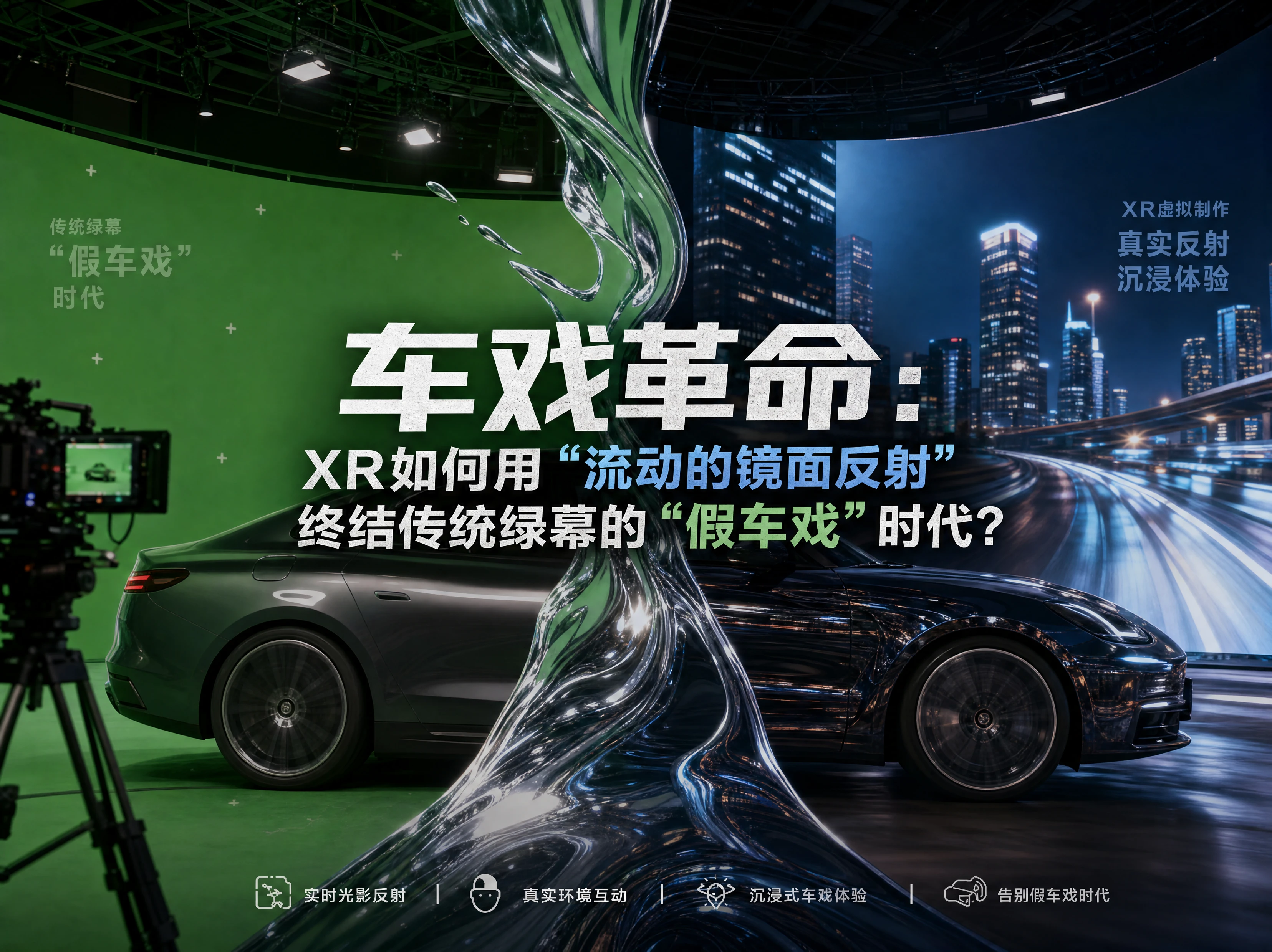
In the past three decades of the film and television industry, the green screen has been the undisputed “king of visual effects.”
From *Avatar* to *Avengers*, countless imaginative fantasy worlds were “cut out” frame by frame by post-production VFX artists in a green studio.
However, technological development is relentless and rapid. Now, in Hollywood and top-tier domestic production bases, traditional green screens are being rapidly
When mentioning XR virtual production, the first image that comes to many people's minds is the filming set of sci-fi blockbusters like *The Mandalorian*.
But in reality, XR technology has long quietly “broken out” and sparked a revolution in another field that demands instant creativity and visual impact — stage performances and brand events.
From singers' virtual concerts and major TV networks' New Year's Eve galas to the dazzling new product launches of tech giants, traditional physical stages are being replaced by a