
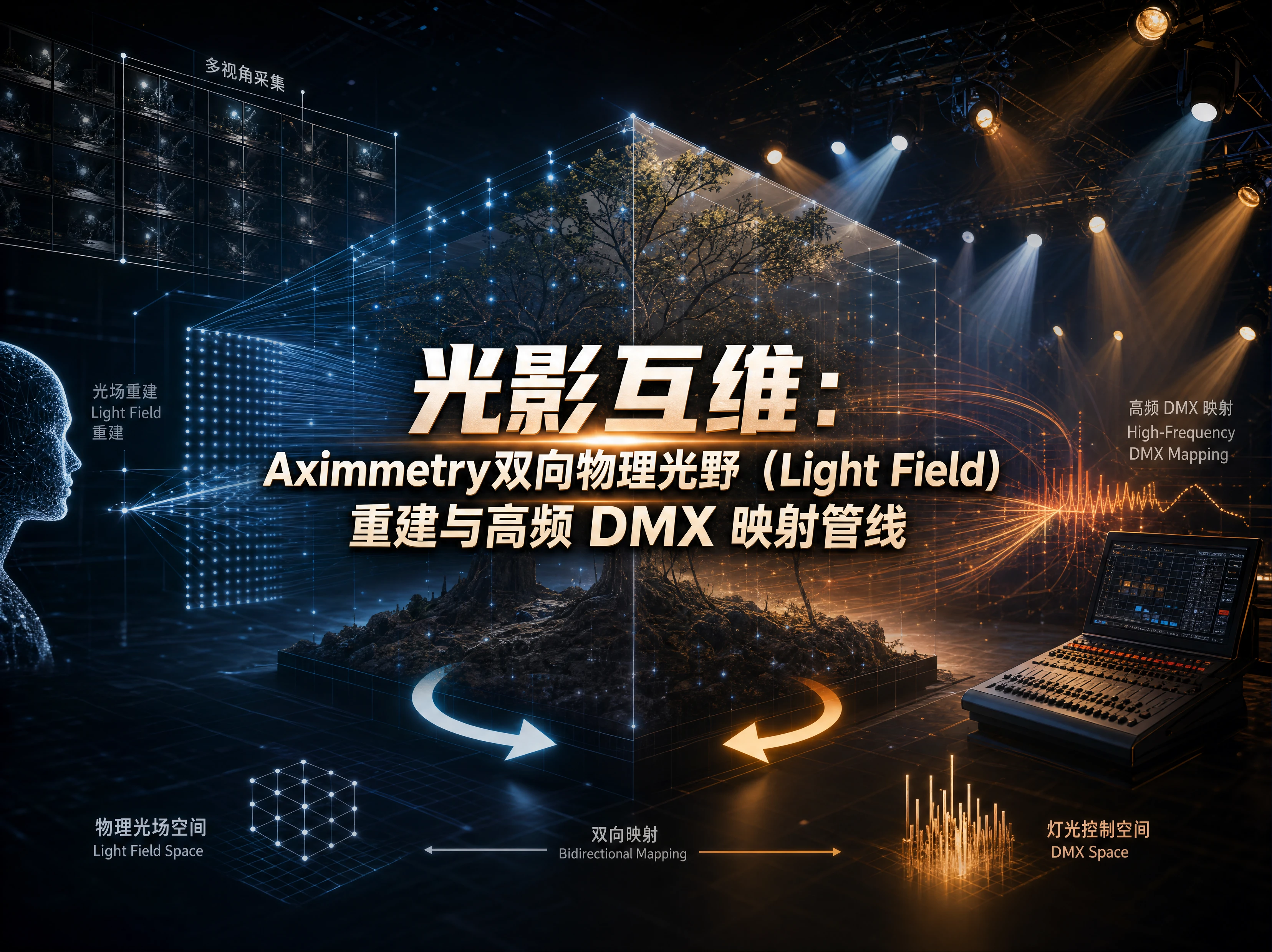
On the set of Extended Reality (XR) and LED Virtual Production (ICVFX), to make the audience completely lose perception of the “virtual-real boundary,” beyond geometric spatial alignment, the more advanced and challenging physical hurdle lies in “Photometric Consistency.”
 2026-07-30

On the set of ultra-large LED virtual production (ICVFX) and immersive giant screen stages, the computing power of a single GPU often falls short when faced with massive pixel counts.
2026-07-28
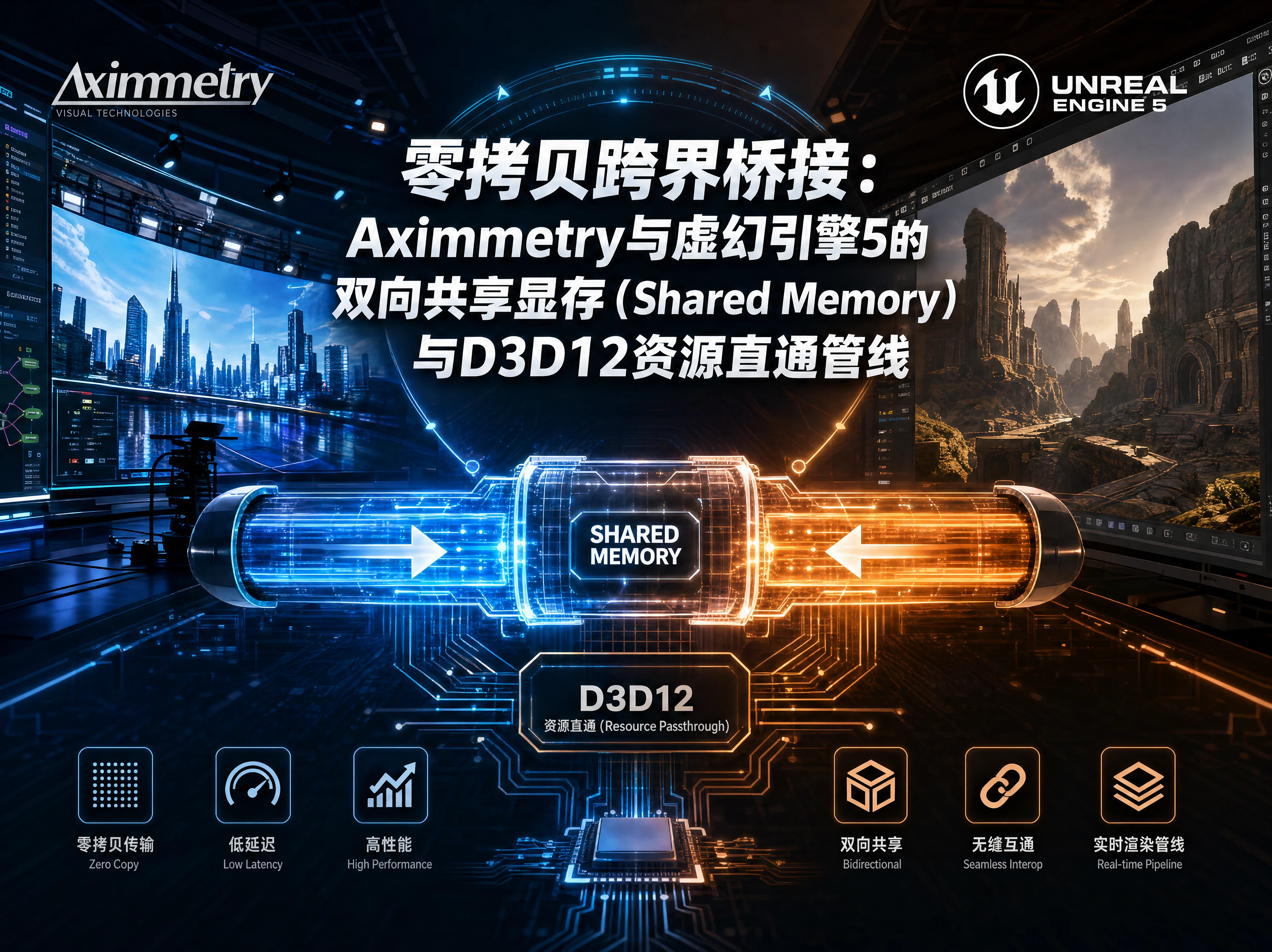
In the technical architecture of modern Mixed Reality (MR) and Virtual Production (ICVFX), “multi-engine collaboration” is an inevitable choice for achieving ultimate image quality and industrial-grade broadcast reliability.
2026-07-25
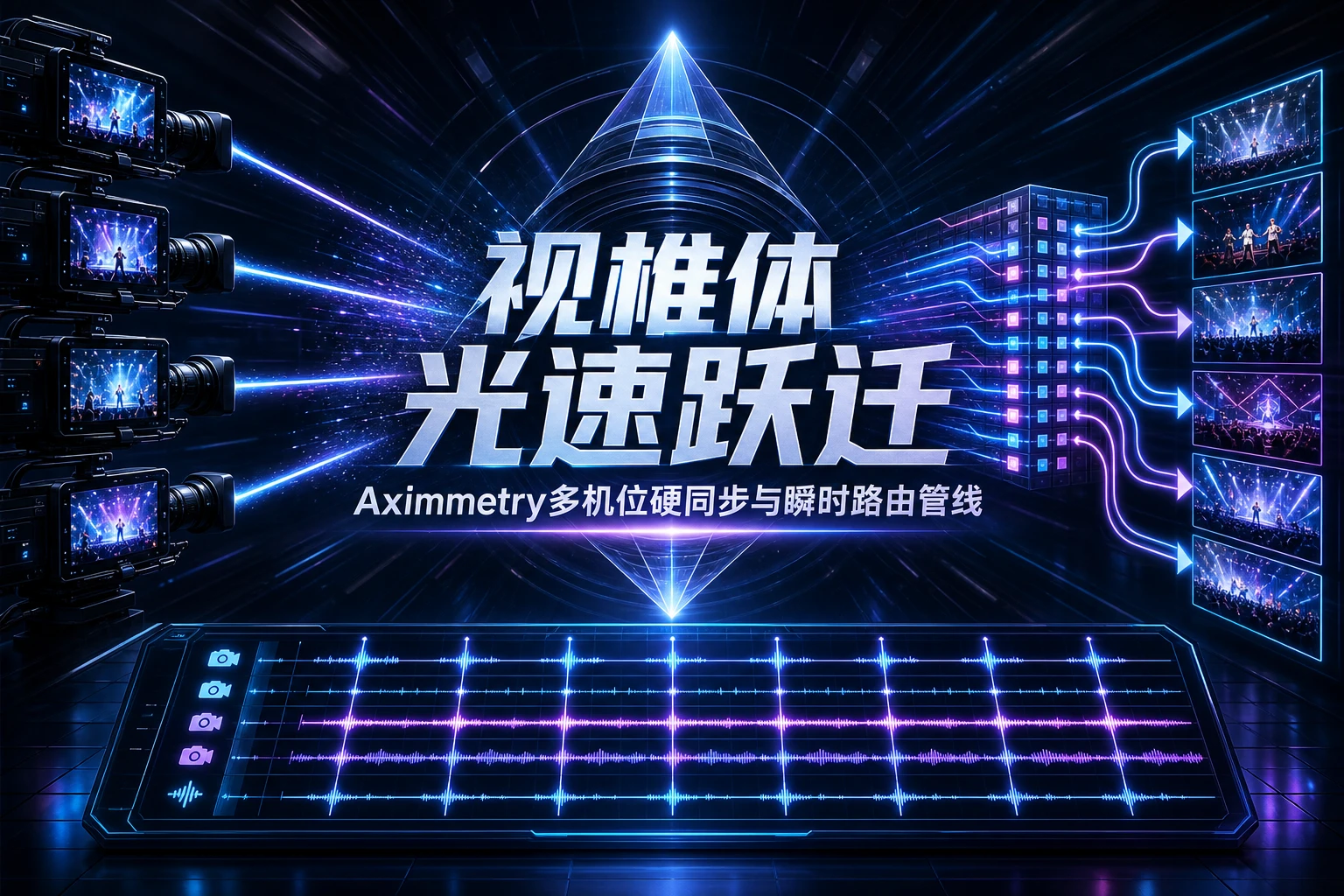
In the industrial-grade setting of Extended Reality (XR) and LED Virtual Production (ICVFX), “Multi-Camera Shooting” is an absolute necessity for improving production efficiency and capturing multi-angle action.
2026-07-24
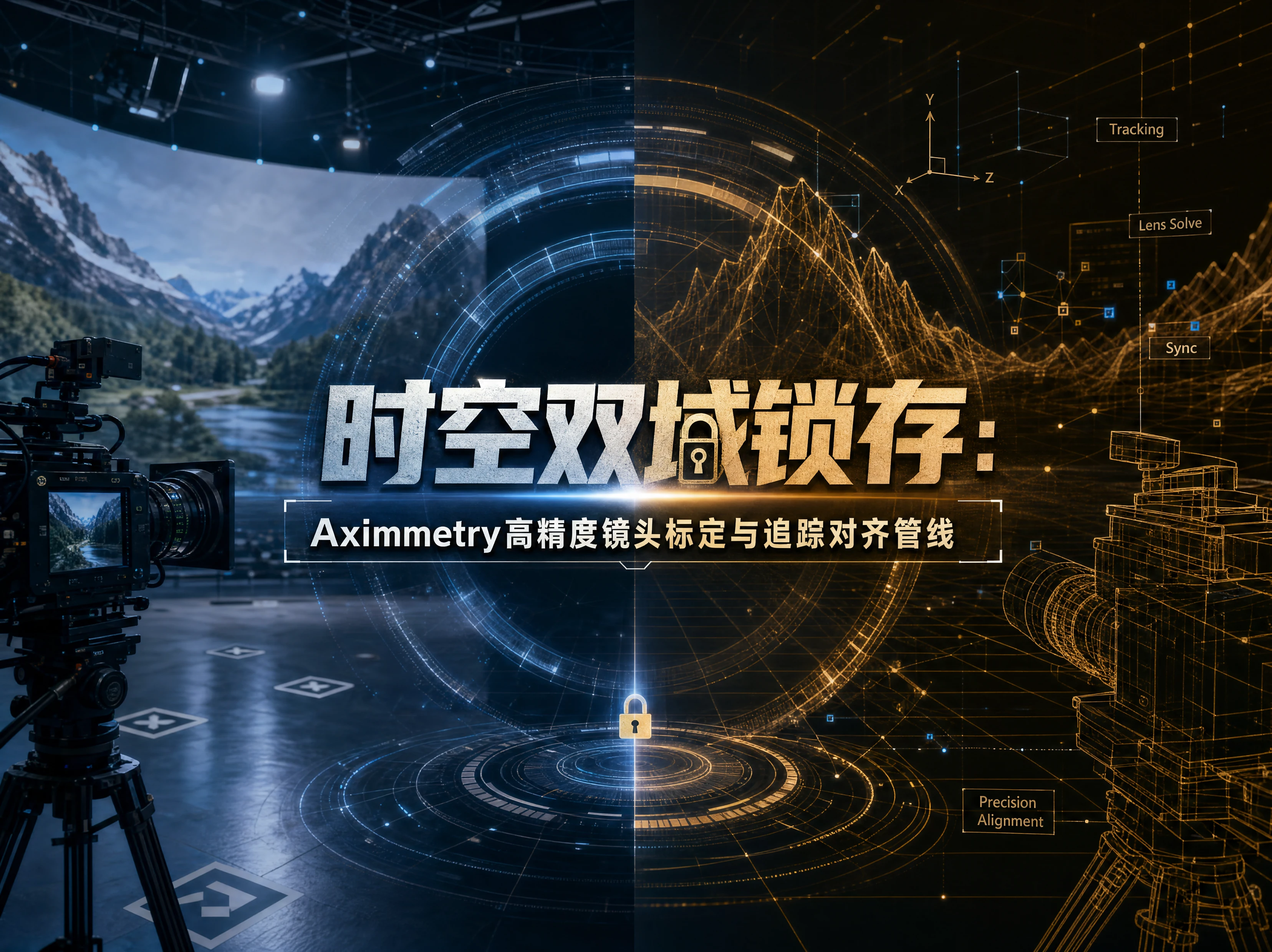
In industrial-grade production of virtual production (ICVFX) and extended reality (XR), the “Camera Tracking System” serves as the absolute link between the virtual and real worlds.
2026-07-21
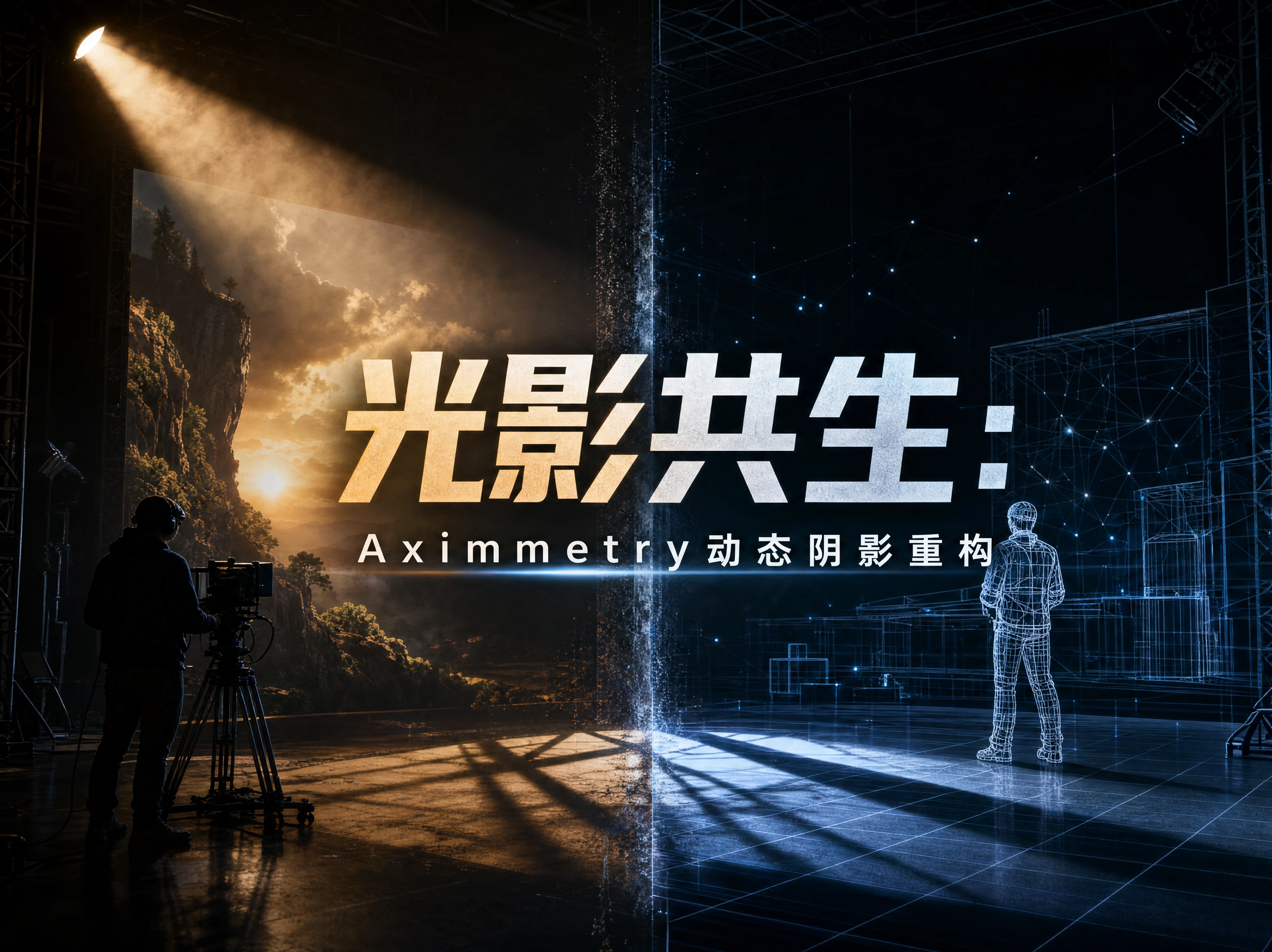
In the compositing of green screen or blue screen virtual studios, the gold standard for determining whether a live-action actor truly “integrates” into the virtual 3D world is not how clean the keying is, but the shadow cast by the actor on the virtual ground (Real-time Virtual Shadow Casting).
2026-07-18
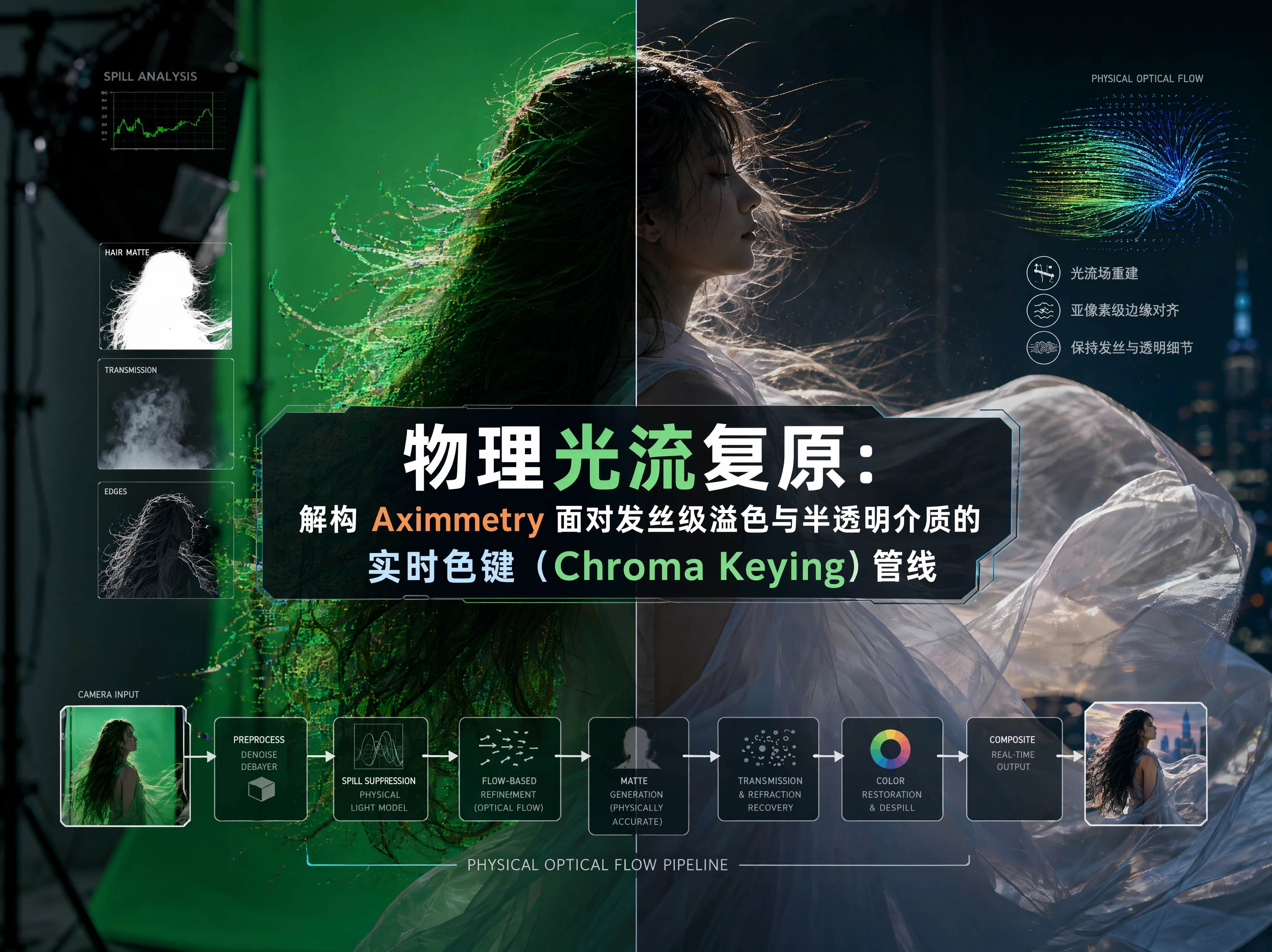
In the production of green screen virtual studios, Chroma Keying is the first and most unforgiving physical threshold that determines visual authenticity.
2026-07-16
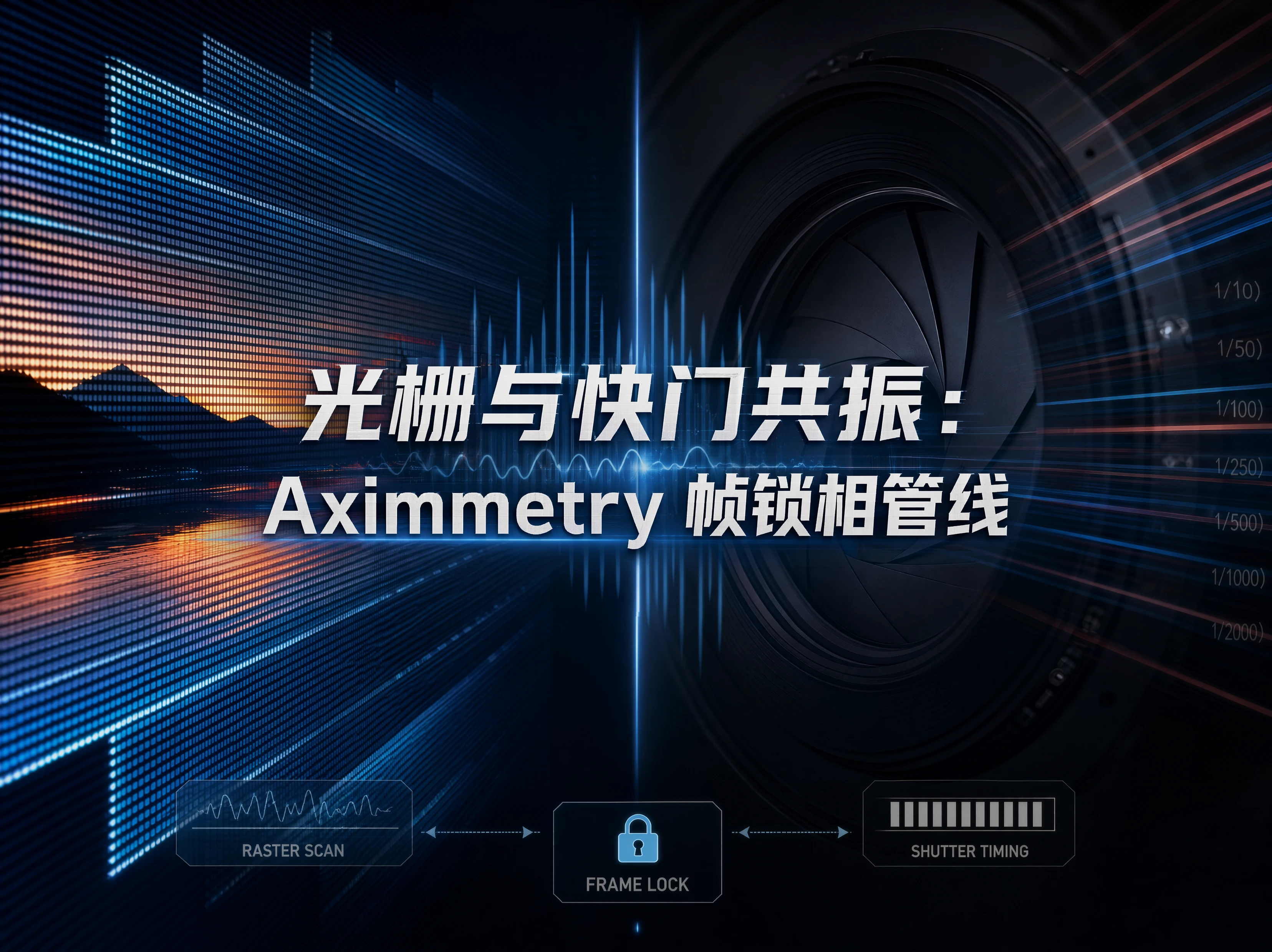
In the live production environment of virtual production (ICVFX) and multi-camera mixed reality (MR), there exists an invisible killer that keeps system engineers and directors of photography (DP) up all night—temporal phase drift and non-locked tearing.
2026-07-14
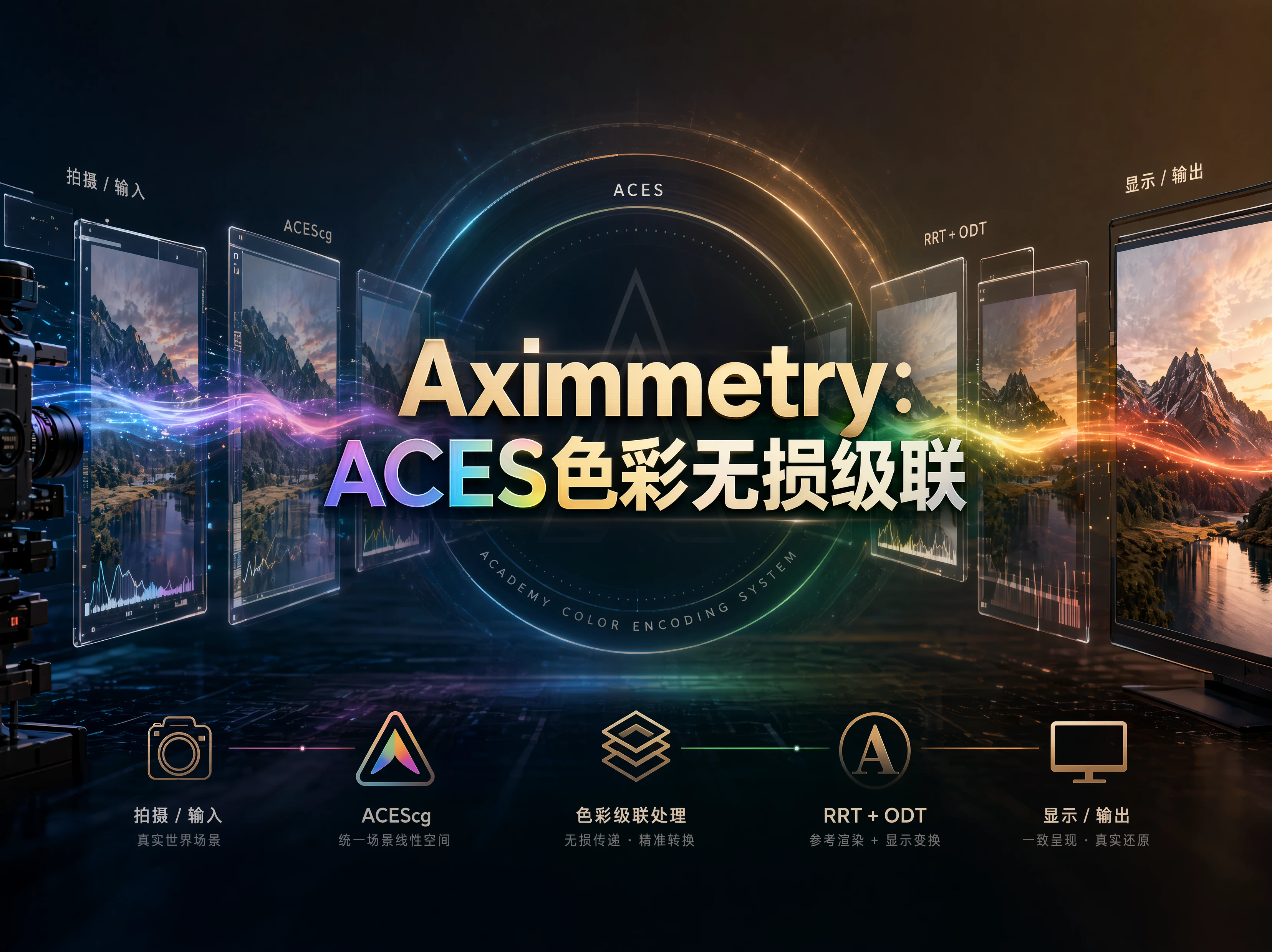
In cinematic virtual production (ICVFX) and high-end HDR broadcast, “color science consistency” is the lifeline that determines the final image quality.
2026-07-11

At large-scale immersive stages, interactive AR studios, or virtual launch events, directors often pursue a “wall-breaking” visual effect: when an actor waves on stage, the golden particle stream rendered by the virtual engine produces physically accurate diffusion and ripples; or when an actor walks in front of a green screen, the smoke, fire, or flowing water (Niagara particle system/fluid dynamics) in the virtual scene generates realistic physical repulsion and turbulence.
2026-07-09
 简体中文 简体中文
  English