
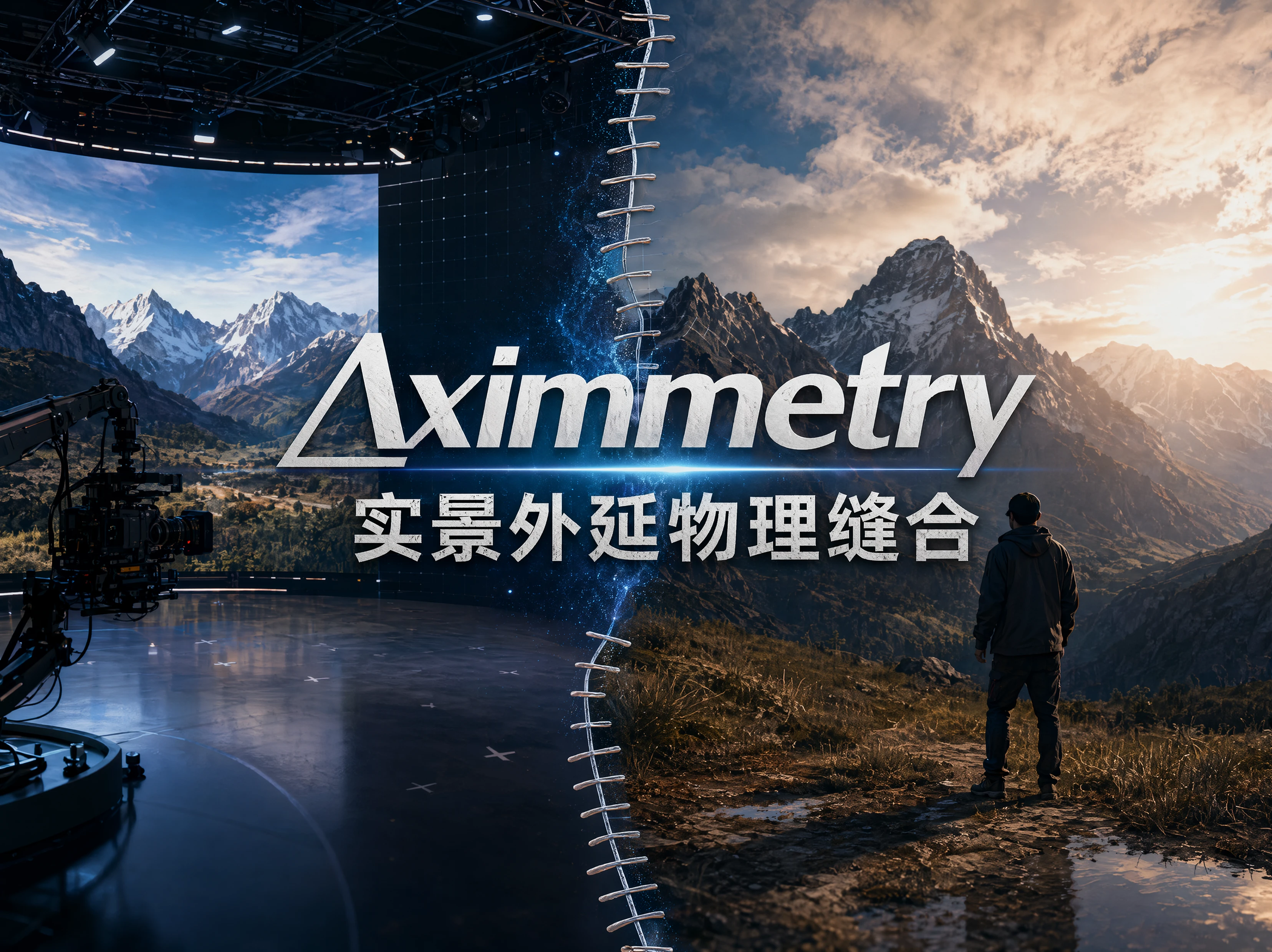
On an Extended Reality (XR) and Mixed Reality (MR) set, when the camera performs a wide pan or the camera's line of sight exits the physical LED wall boundary, the system must activate “Set Extension” technology.
It requires the system to respond at lightning speed, using virtual backgrounds rendered by Unreal Engine 5 (UE5) to seamlessly fill the blank area beyond the LED screen in real time.
 2026-07-08
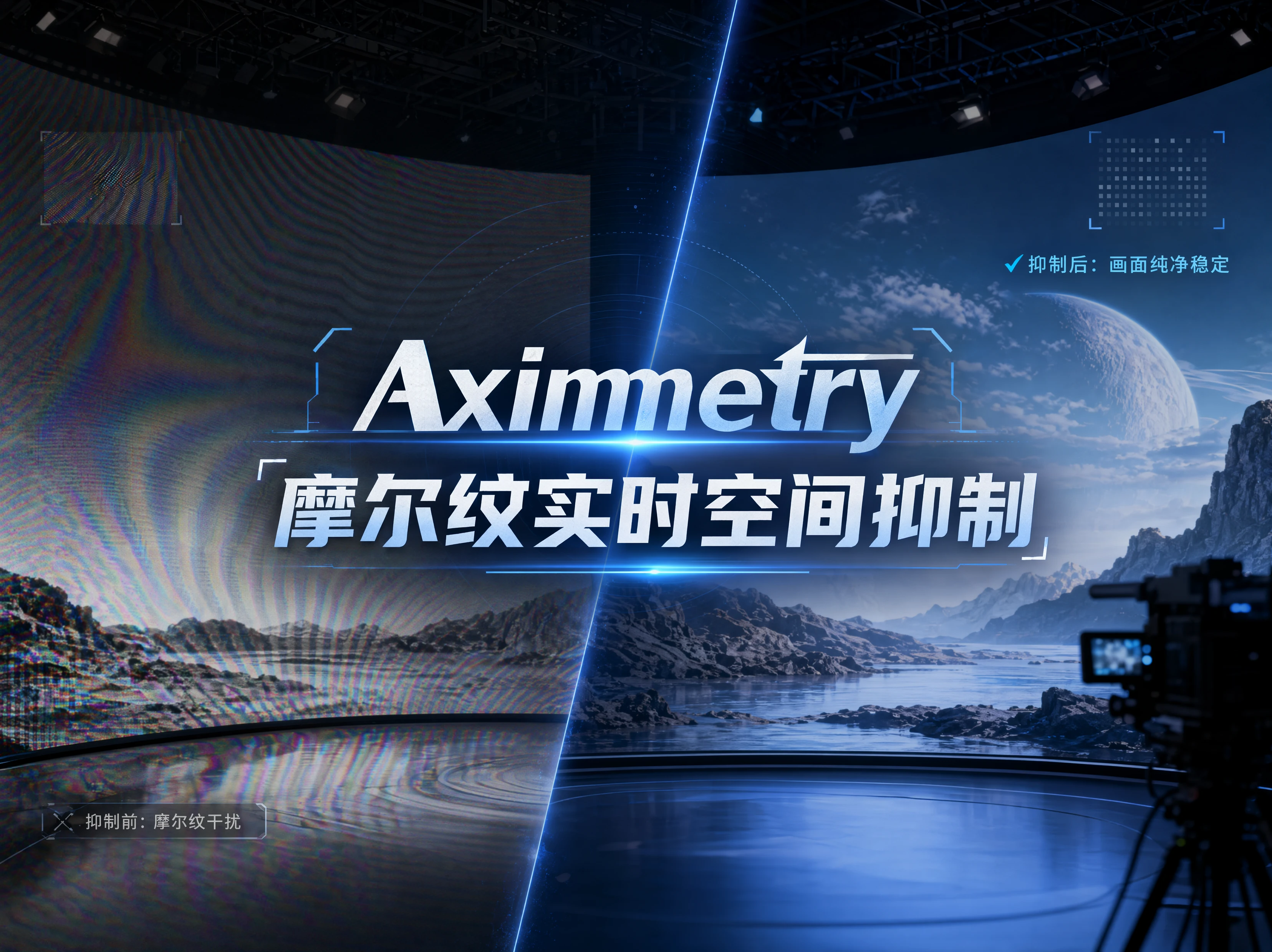
In actual LED virtual production (ICVFX) shooting, the Moiré Pattern is a physical curse hanging over the Director of Photography (DP).
When the pixel array of a high-resolution cinema camera's CMOS sensor overlaps in spatial frequency with the physical light-emitting dot matrix (Pixel Pitch, e.g., P2.6 or P1.5) of the LED screen, and the Nyquist sampling condition is not met...
2026-07-07
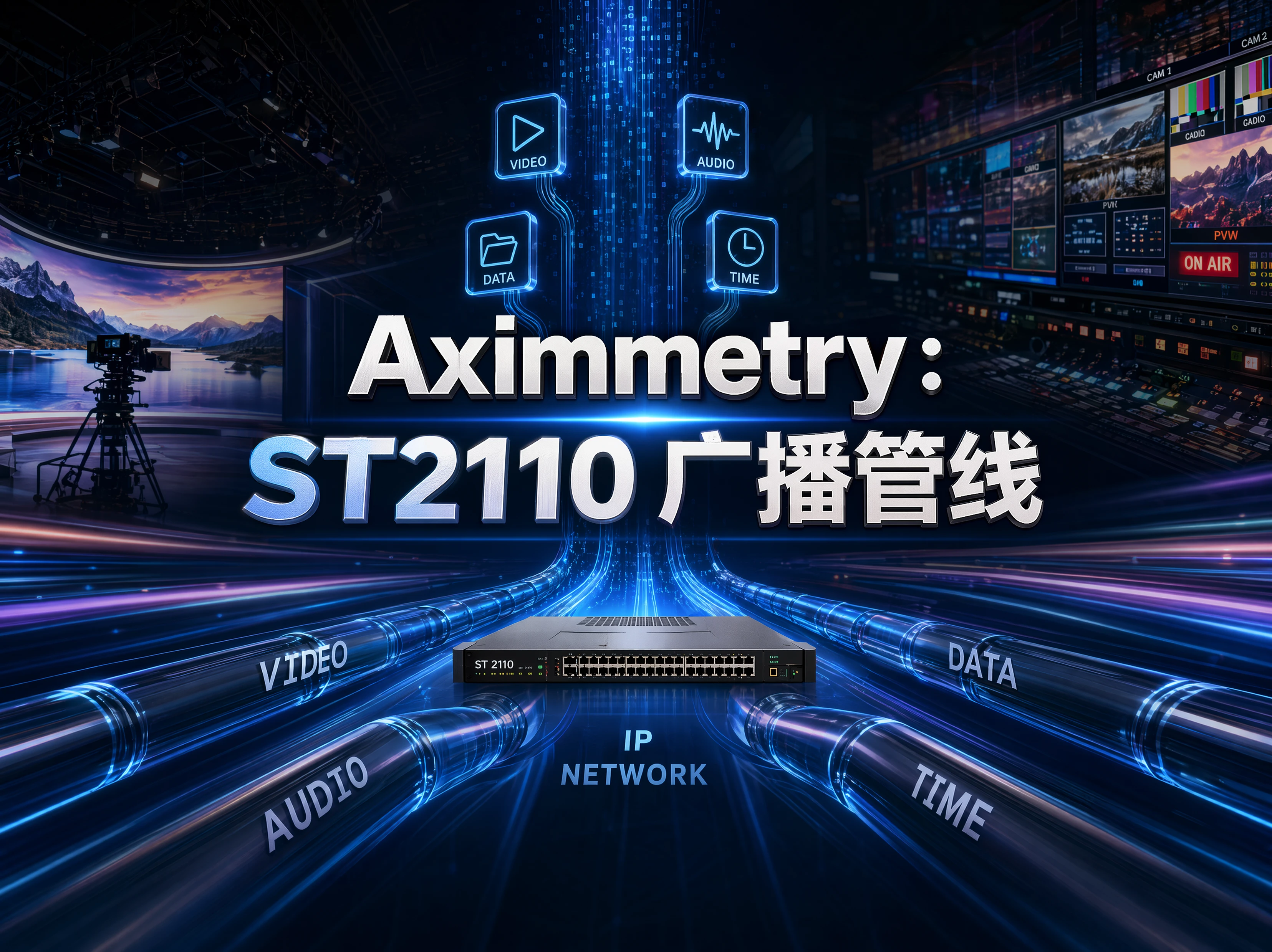
As the global broadcast television industry fully enters the all-IP era, the SMPTE ST 2110 protocol suite and PTP (IEEE 1588 Precision Time Protocol) have become the rigid infrastructure for provincial and national-level converged media studios.
Under the ST 2110 architecture, the traditional single SDI physical cable is completely deconstructed—video (ST 2110-20), audio (ST 2110...
2026-07-05
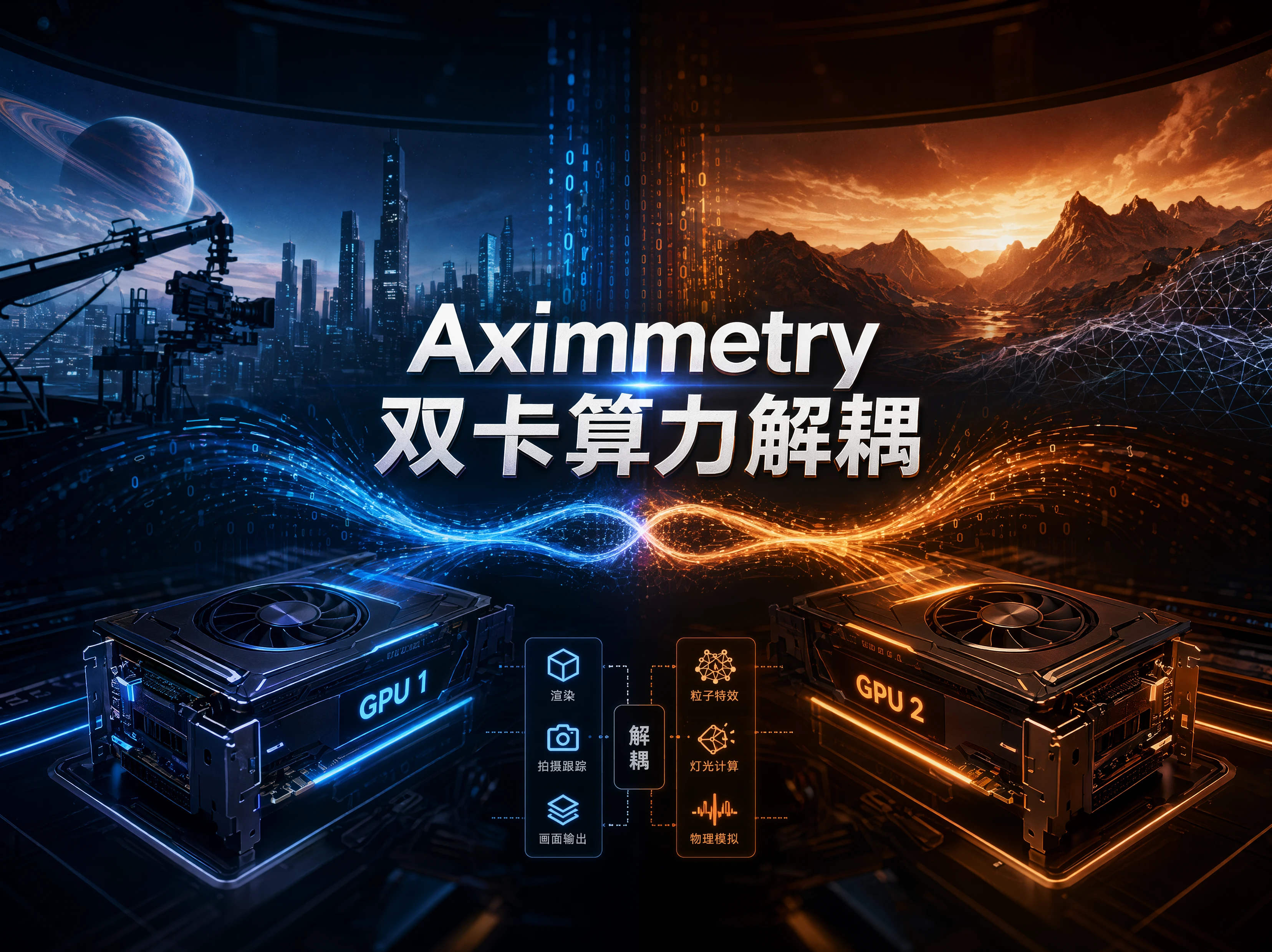
Under the extreme workload conditions of 4K/8K broadcast-grade virtual production (VP), technical teams often encounter the “GPU compute ceiling” on a single workstation.
2026-06-03
In television broadcasts, large-scale galas, and esports live streams, the breakout application of AR (Augmented Reality) virtual elements has long been commonplace. However, when a virtual dragon soars above a real stadium, or a virtual skyscraper rises from the center of a real stage, the technical team inevitably encounters a fundamental pain point concerning spatial order: “Depth Occlusion Failure between virtual and real spaces.”
The most classic
2026-06-02
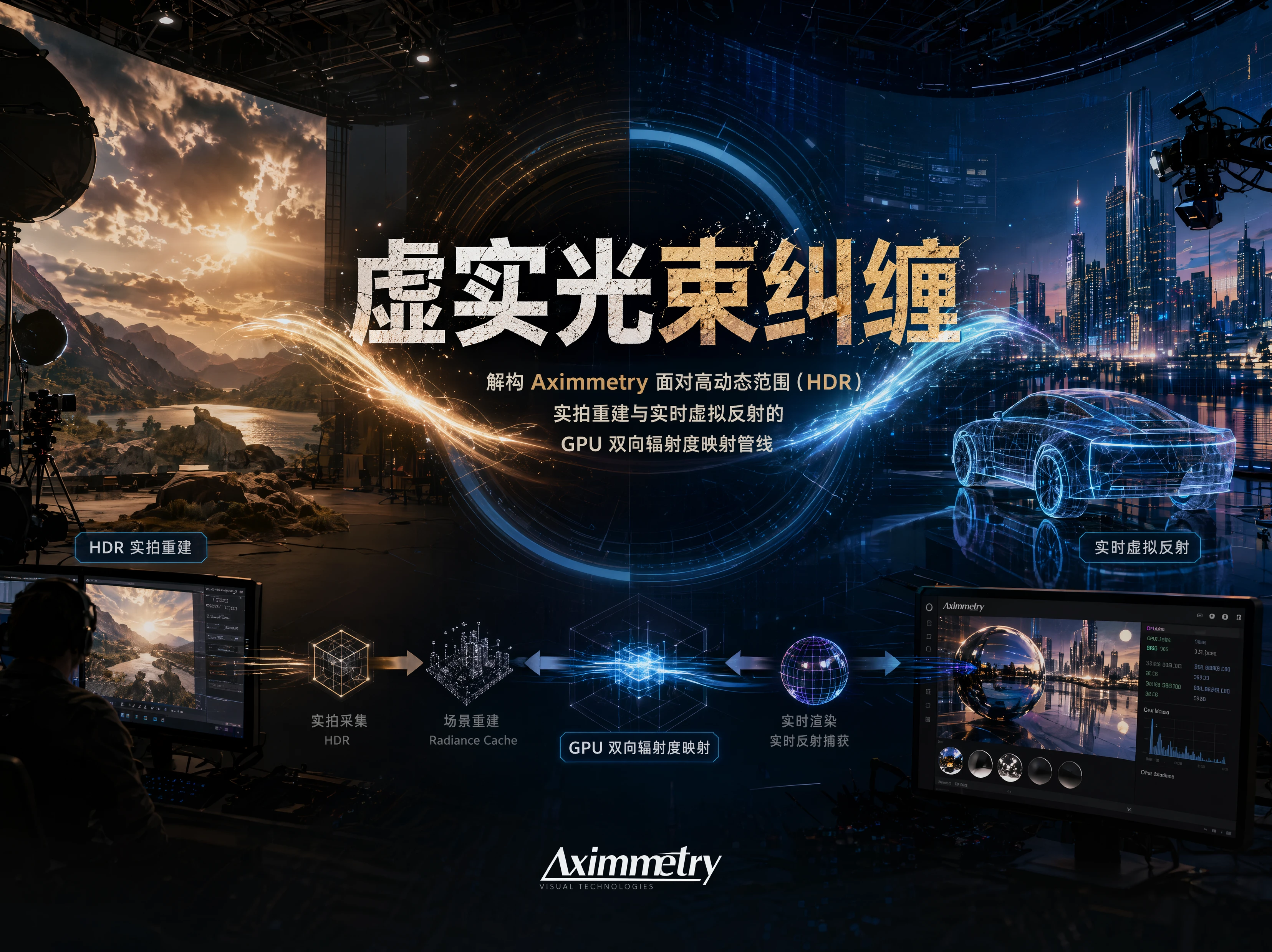
At the forefront of top-tier commercial ads, high-tech product launches, and cinematic virtual production (ICVFX), the ultimate level of blending reality and virtuality is “optical indistinguishability.”
Imagine an extreme shooting scenario: an actor wearing a highly reflective metal armor suit stands in a green screen or LED volume. In the 3D virtual world, a futuristic virtual sports car with high-beam headlights drives toward them. At this point, the audience should clearly see in the final image
2026-06-01
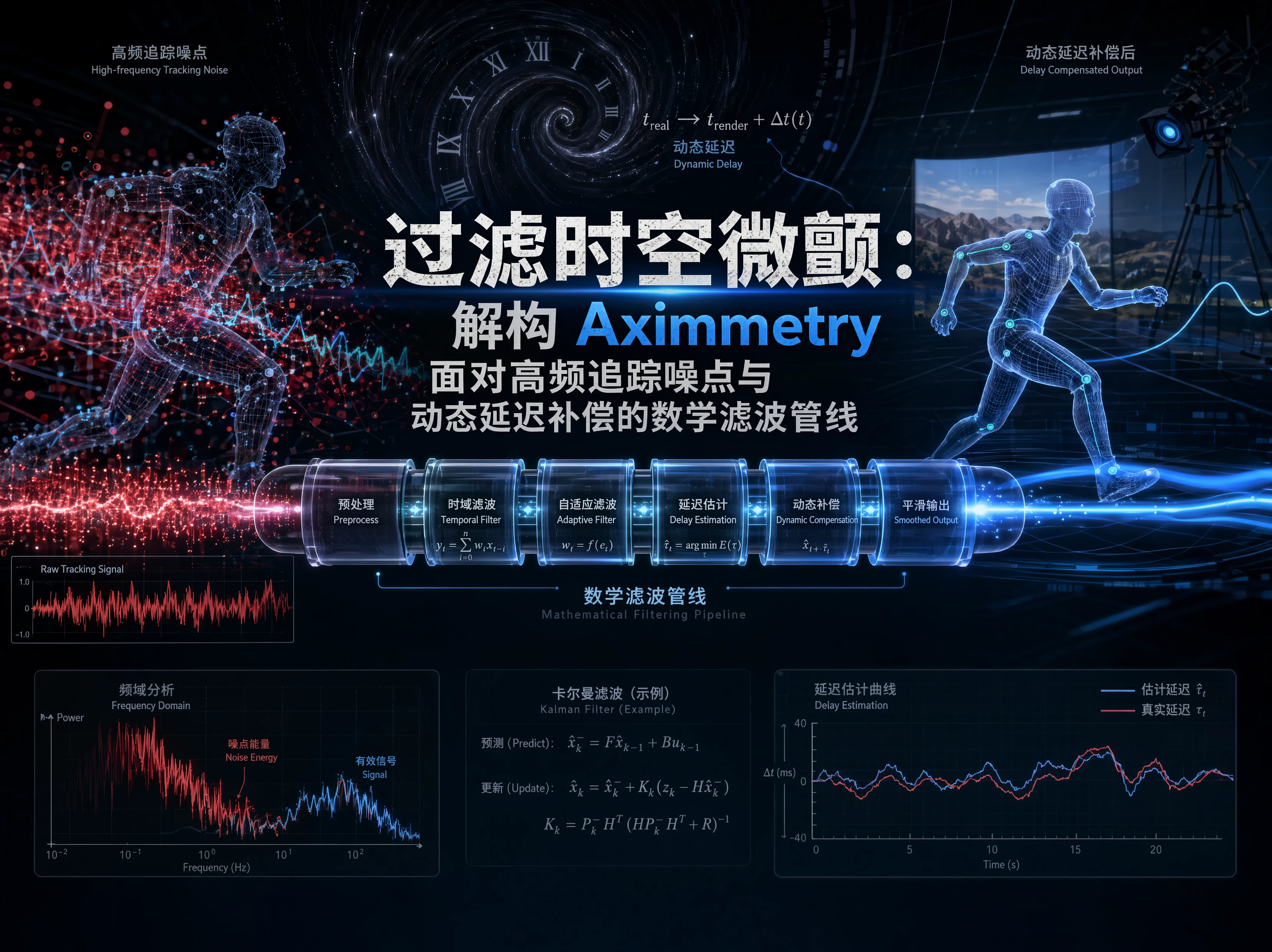
In the actual execution of virtual production (VP) and augmented reality (AR), the most common underlying issues that technical teams encounter are often not the rendering detail of the image, but the micro-jitter and slippage of visual perspective.
When the camera is stationary or performing an extremely slow pan, the virtual background or AR elements on the large screen suddenly exhibit a very faint, imperceptible to the naked eye but instinctively sensed by the brain, “micro-tremor”; or,
2026-05-31
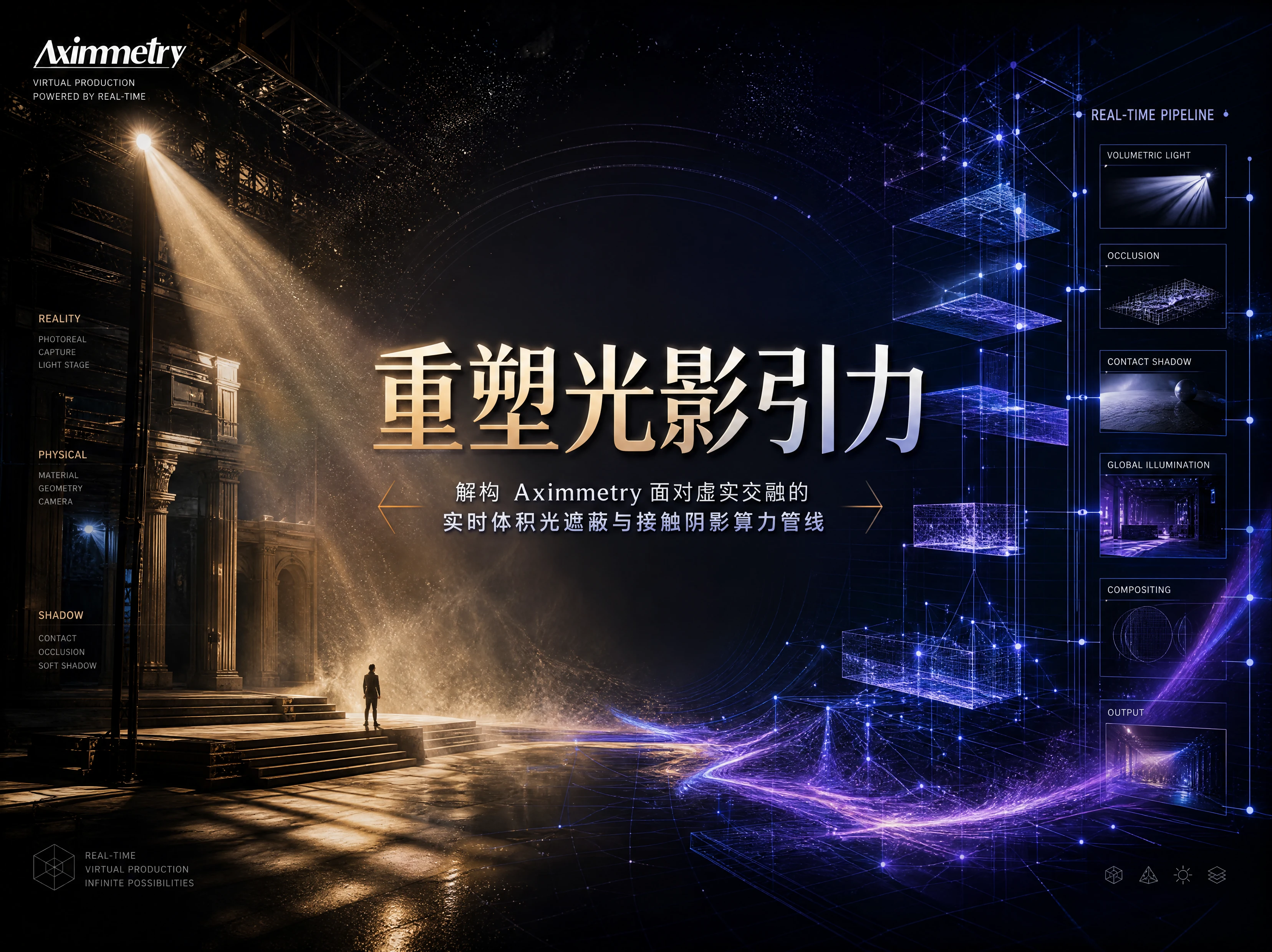
In virtual production and advanced mixed reality (MR) production, there is a common ailment known as “visual gravity deficiency.”
When viewers watch a live-action host standing on a green screen stage, rendered on a cyberpunk street in Unreal Engine (UE5), no matter how detailed the background polygons or how realistic the ray-traced reflections, the image always exudes a subtle sense of “sticker-like” or “floating” incongruity.
As a compositing supervisor and light physics
2026-05-30

In metaverse interactions, large-scale esports events, and future cultural tourism projects, “AI-driven real-time digital humans (AI-Driven Virtual Presenter)” are rapidly moving from proof of concept (PoC) to commercial live streaming.
In such scenarios, the audience or on-site guests engage in impromptu, two-way voice conversations with the virtual human on the big screen. The system needs to complete the following chain in milliseconds in the background: microphone pickup -
2026-05-27
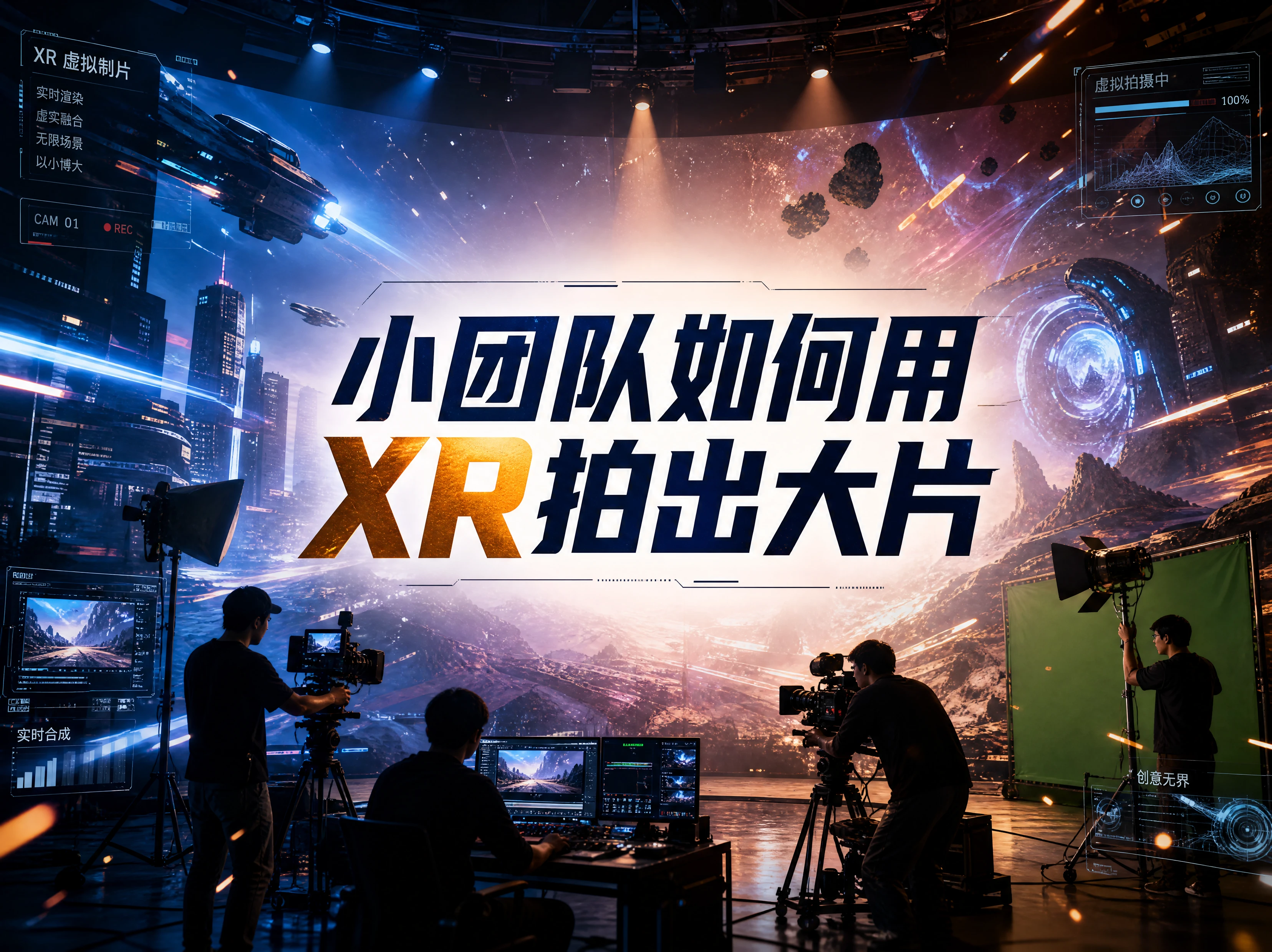
In the past, high-visual-demand film genres like sci-fi, fantasy, and cyberpunk were the “exclusive game” of major studios and sky-high budgets.
For a small team wanting to shoot a short film about an astronaut caught in a storm on Mars, the traditional paths were only two: either spend a fortune building a realistic physical capsule, or shoot with a green screen and then spend six months and hire expensive VFX teams to “grind” through post-production.
The result often was that small teams, due to
2026-05-22
 简体中文 简体中文
  English