

In 3D games or VR (Virtual Reality) experiences, there is a physiological nightmare that almost everyone encounters—“Motion Sickness.”
When your body feels like it is moving, but the image your eyes see is slightly delayed, this tiny perceptual “disconnect” immediately triggers a chemical alarm in your brain, causing intense dizziness and nausea.
In XR (Extended Reality)
On a film and television production set, there is a standard workflow that has long been industry common sense—Multi-Cam Shooting.
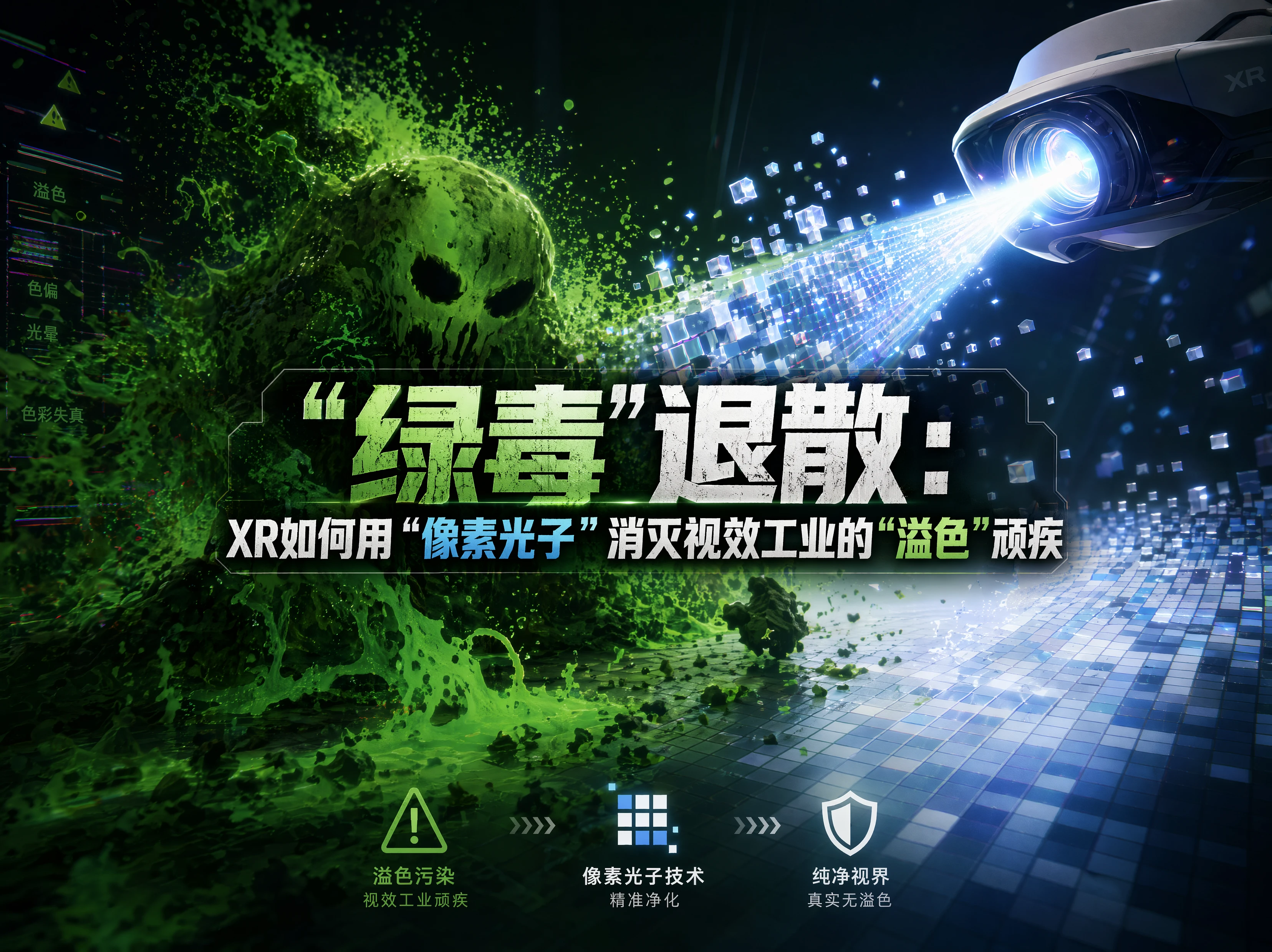
In the film and television visual effects (VFX) industry, there is a physical phenomenon that terrifies countless post-production compositors and is even jokingly called the industry's “chronic poison”—green screen spill (Green Spill).

In every XR (Extended Reality) virtual production studio, there is a mysterious area that fascinates everyone while putting technicians on high alert.
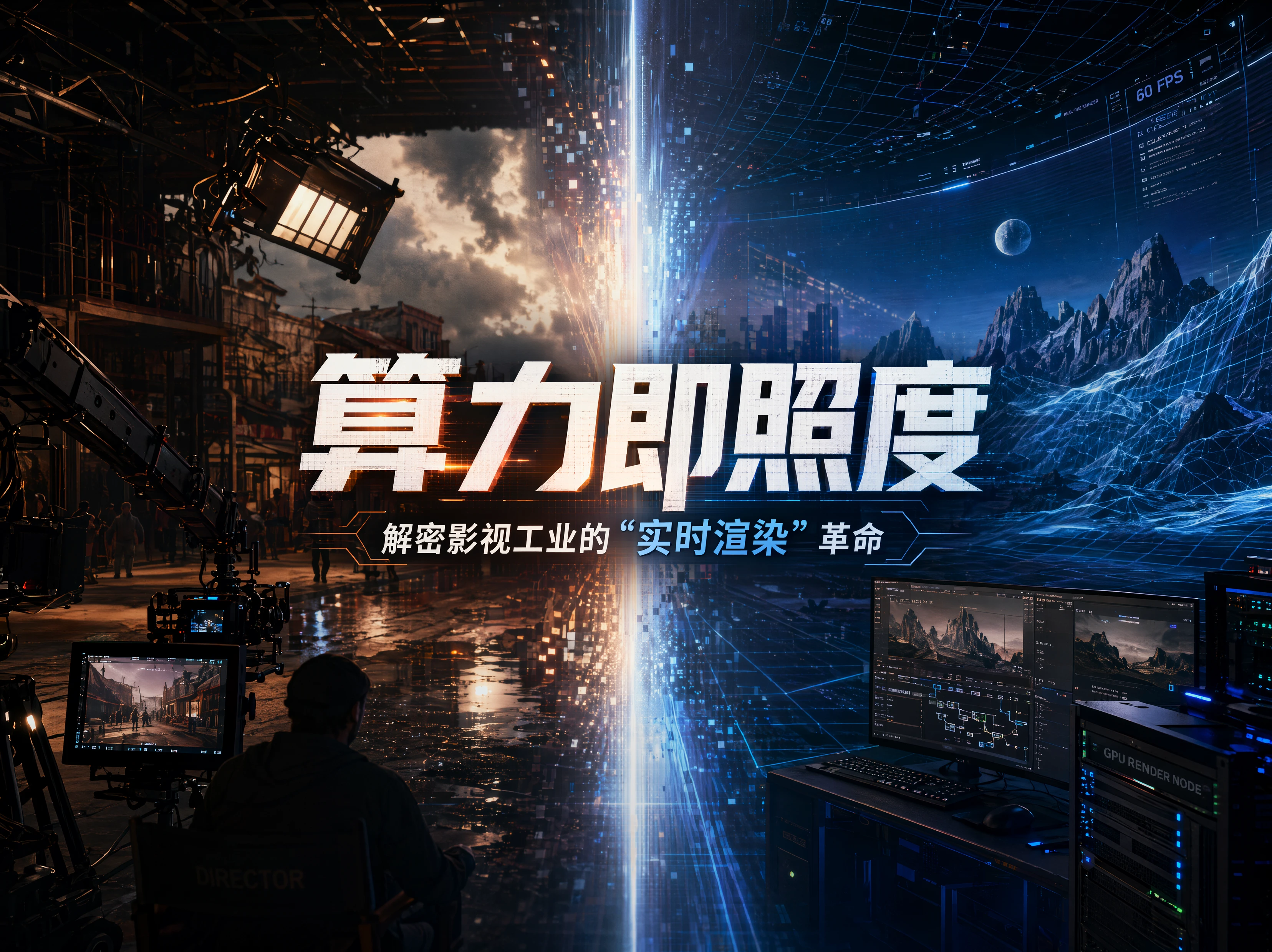
In Hollywood, there was once a behemoth that made all producers tremble at the mention of it, yet they had no choice but to pay for it—the “Render Farm.”
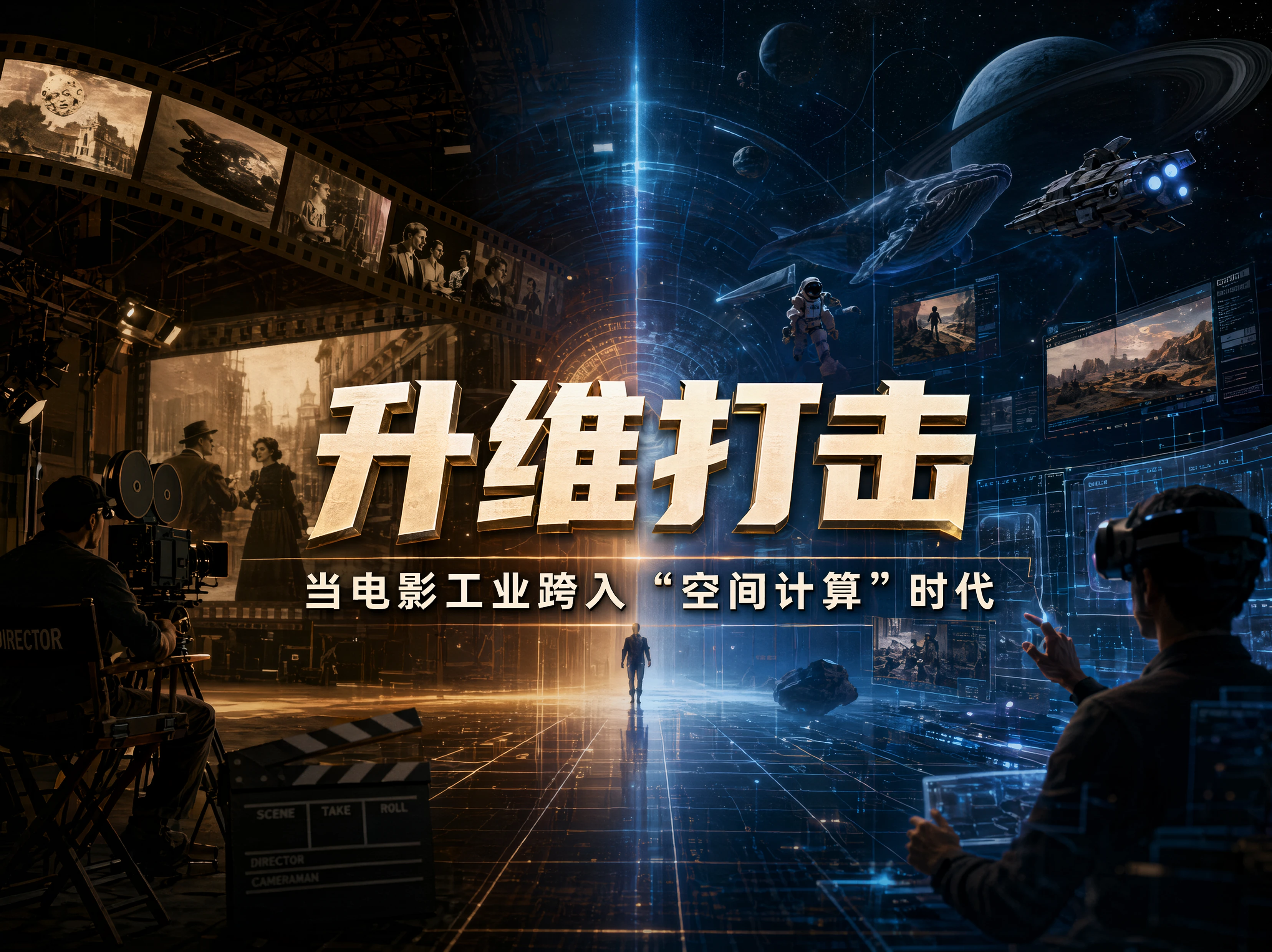
In the tech world, “Spatial Computing” has become the absolute focal point with the release of Apple Vision Pro. It heralds humanity's transition from the “Screen Era” to the “Spatial Interaction Era.”
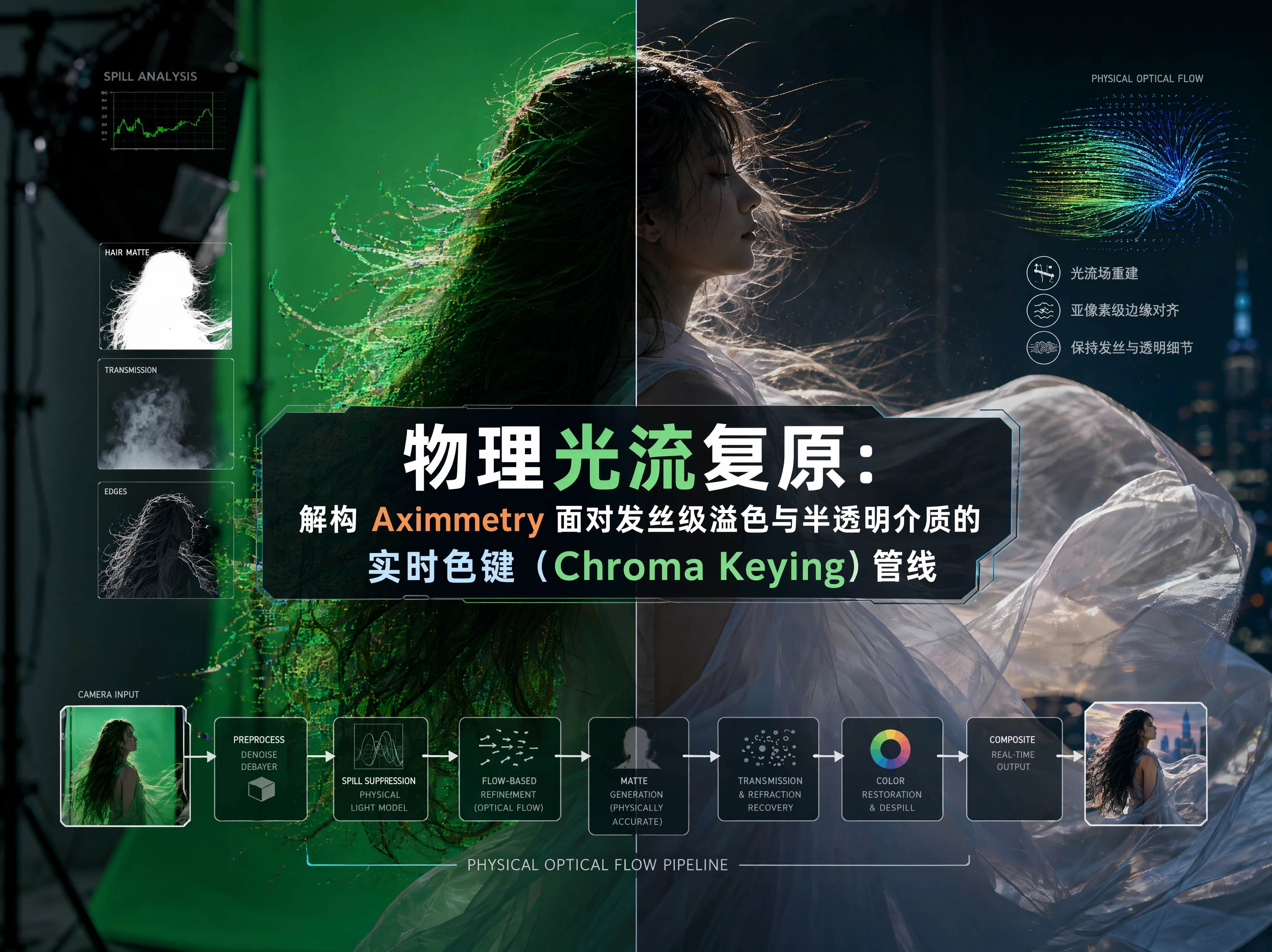
In the production of green screen virtual studios, Chroma Keying is the first and most unforgiving physical threshold that determines visual authenticity.
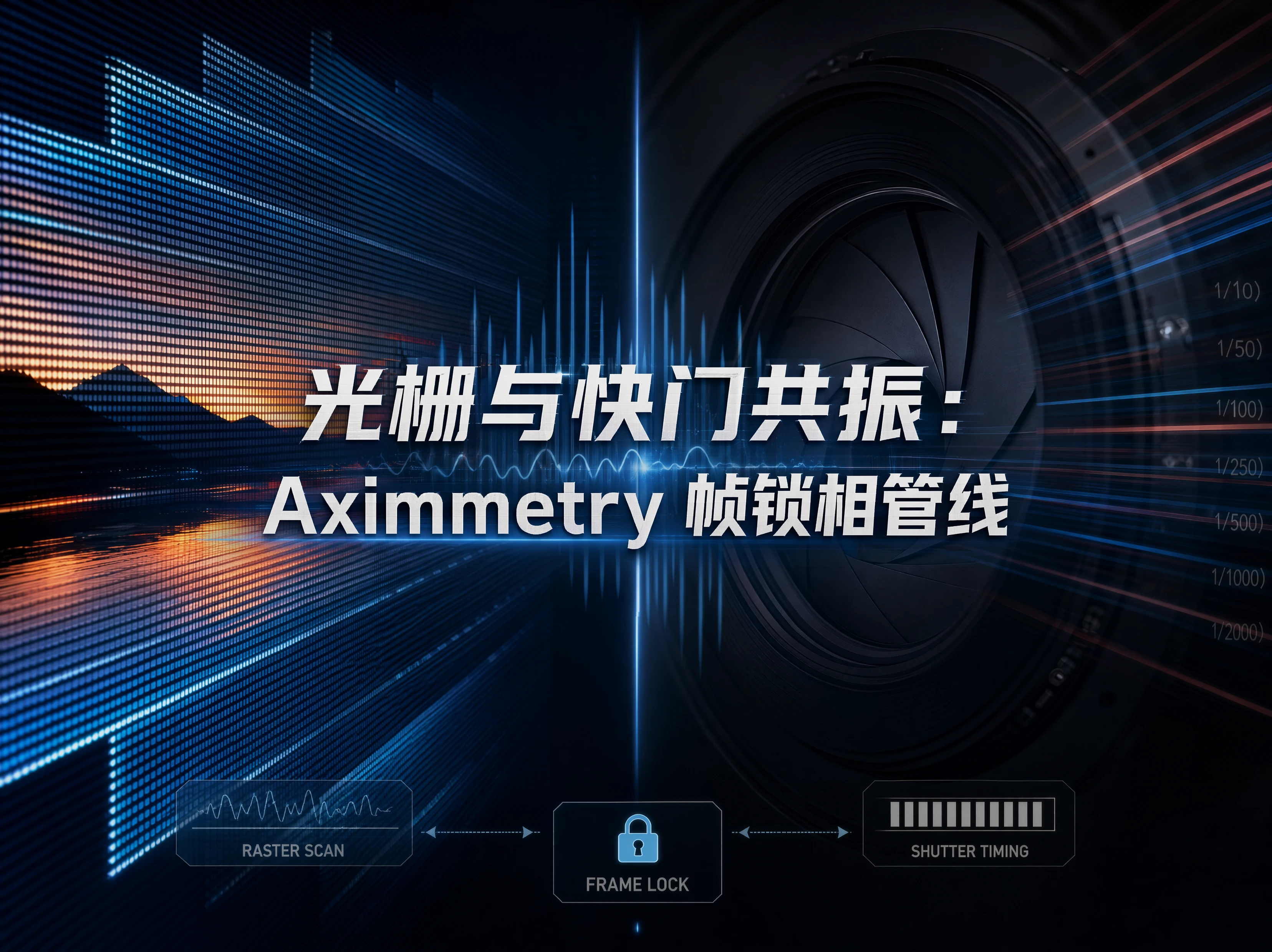
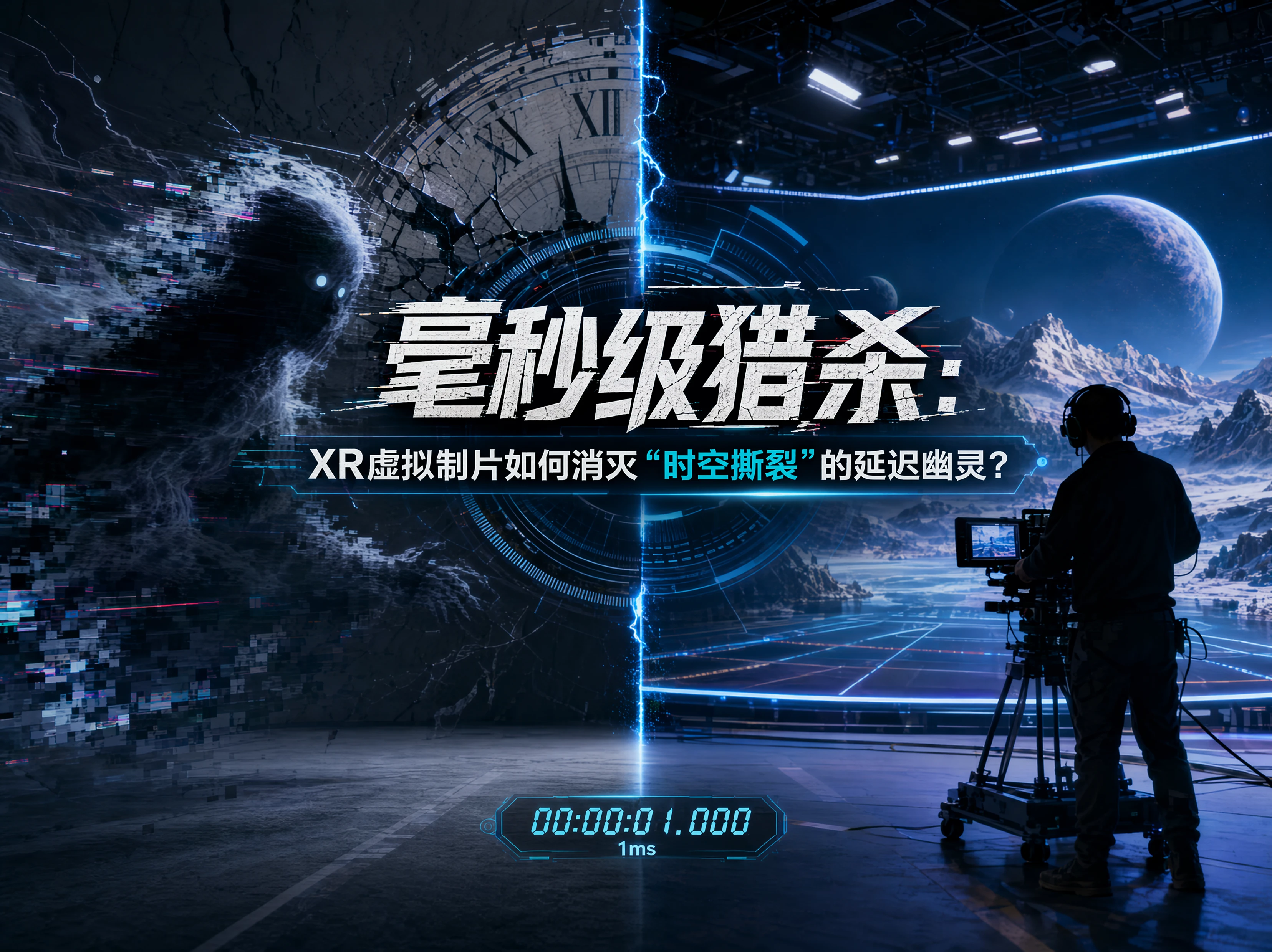
In the live production environment of virtual production (ICVFX) and multi-camera mixed reality (MR), there exists an invisible killer that keeps system engineers and directors of photography (DP) up all night—temporal phase drift and non-locked tearing.
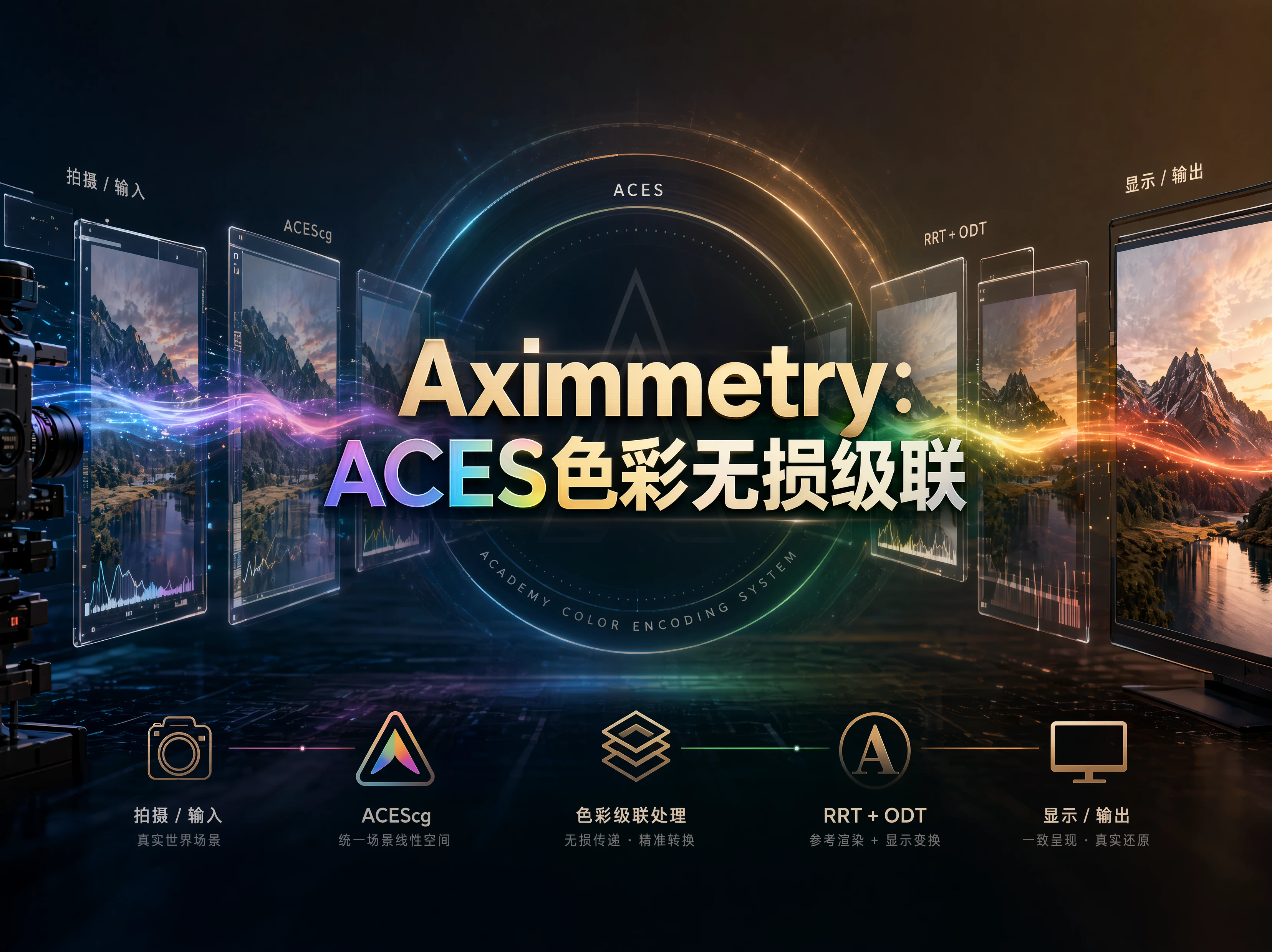
In cinematic virtual production (ICVFX) and high-end HDR broadcast, “color science consistency” is the lifeline that determines the final image quality.

At large-scale immersive stages, interactive AR studios, or virtual launch events, directors often pursue a “wall-breaking” visual effect: when an actor waves on stage, the golden particle stream rendered by the virtual engine produces physically accurate diffusion and ripples; or when an actor walks in front of a green screen, the smoke, fire, or flowing water (Niagara particle system/fluid dynamics) in the virtual scene generates realistic physical repulsion and turbulence.
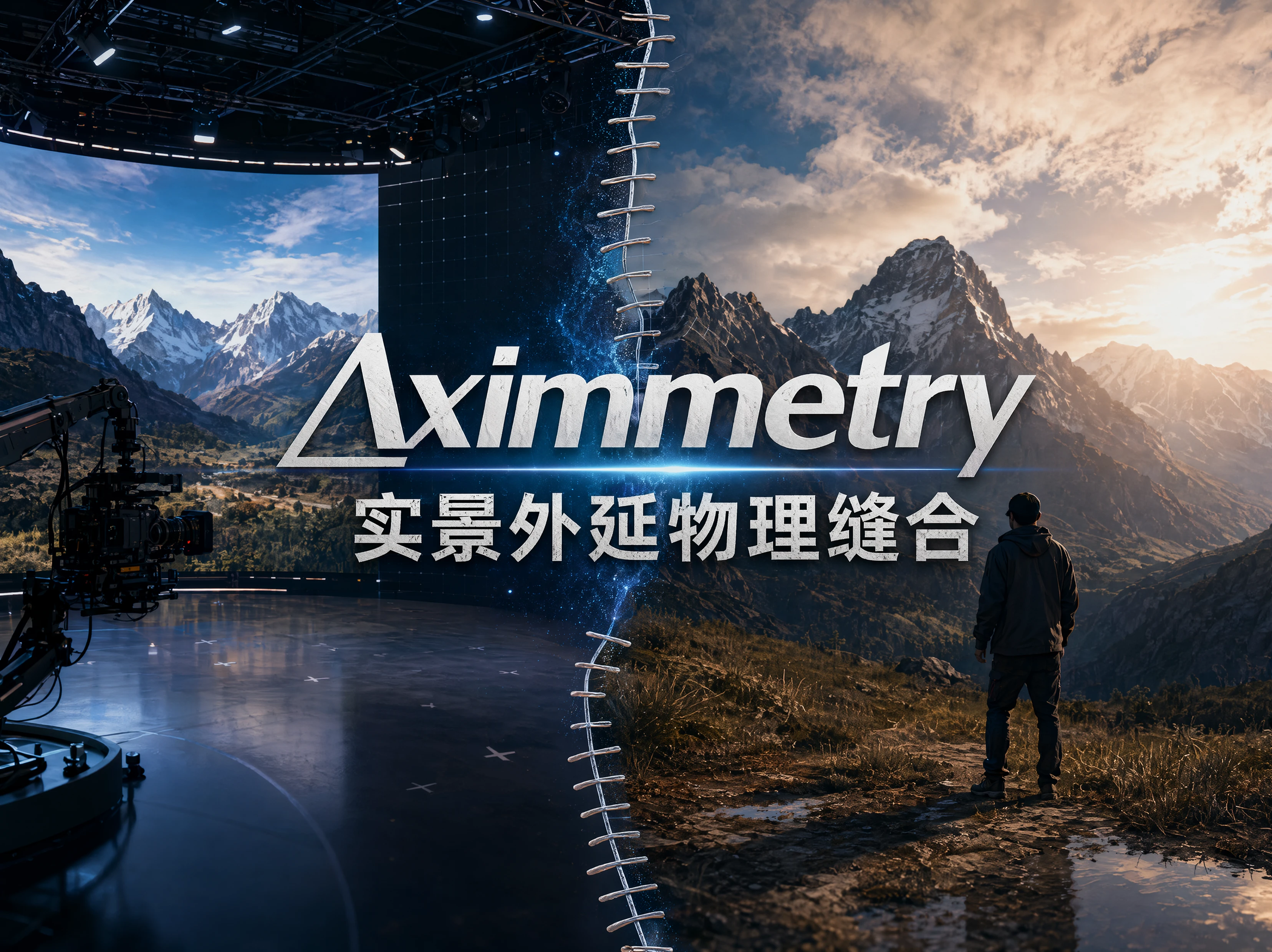
On an Extended Reality (XR) and Mixed Reality (MR) set, when the camera performs a wide pan or the camera's line of sight exits the physical LED wall boundary, the system must activate “Set Extension” technology.
It requires the system to respond at lightning speed, using virtual backgrounds rendered by Unreal Engine 5 (UE5) to seamlessly fill the blank area beyond the LED screen in real time.
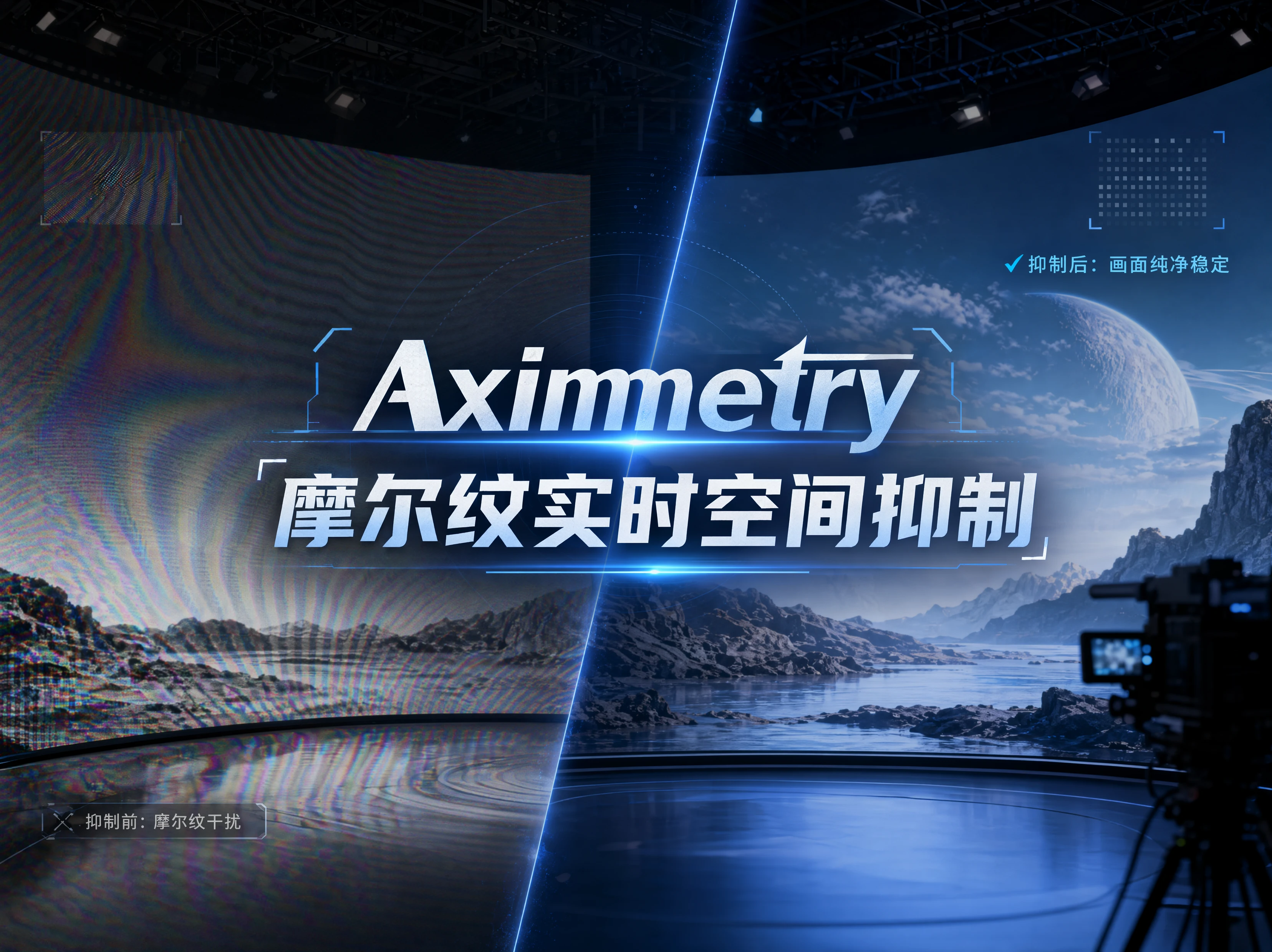
In actual LED virtual production (ICVFX) shooting, the Moiré Pattern is a physical curse hanging over the Director of Photography (DP).
When the pixel array of a high-resolution cinema camera's CMOS sensor overlaps in spatial frequency with the physical light-emitting dot matrix (Pixel Pitch, e.g., P2.6 or P1.5) of the LED screen, and the Nyquist sampling condition is not met...
In 3D games or VR (Virtual Reality) experiences, there is a physiological nightmare that almost everyone encounters—“Motion Sickness.”
When your body feels like it is moving, but the image your eyes see is slightly delayed, this tiny perceptual “disconnect” immediately triggers a chemical alarm in your brain, causing intense dizziness and nausea.
In XR (Extended Reality)
In the production of green screen virtual studios, Chroma Keying is the first and most unforgiving physical threshold that determines visual authenticity.
On a film and television production set, there is a standard workflow that has long been industry common sense—Multi-Cam Shooting.
In the film and television visual effects (VFX) industry, there is a physical phenomenon that terrifies countless post-production compositors and is even jokingly called the industry's “chronic poison”—green screen spill (Green Spill).
In the live production environment of virtual production (ICVFX) and multi-camera mixed reality (MR), there exists an invisible killer that keeps system engineers and directors of photography (DP) up all night—temporal phase drift and non-locked tearing.
In every XR (Extended Reality) virtual production studio, there is a mysterious area that fascinates everyone while putting technicians on high alert.
In Hollywood, there was once a behemoth that made all producers tremble at the mention of it, yet they had no choice but to pay for it—the “Render Farm.”
In the tech world, “Spatial Computing” has become the absolute focal point with the release of Apple Vision Pro. It heralds humanity's transition from the “Screen Era” to the “Spatial Interaction Era.”
In cinematic virtual production (ICVFX) and high-end HDR broadcast, “color science consistency” is the lifeline that determines the final image quality.
In Hollywood, a bittersweet and helpless true story has been circulating.
At large-scale immersive stages, interactive AR studios, or virtual launch events, directors often pursue a “wall-breaking” visual effect: when an actor waves on stage, the golden particle stream rendered by the virtual engine produces physically accurate diffusion and ripples; or when an actor walks in front of a green screen, the smoke, fire, or flowing water (Niagara particle system/fluid dynamics) in the virtual scene generates realistic physical repulsion and turbulence.
On an Extended Reality (XR) and Mixed Reality (MR) set, when the camera performs a wide pan or the camera's line of sight exits the physical LED wall boundary, the system must activate “Set Extension” technology.
It requires the system to respond at lightning speed, using virtual backgrounds rendered by Unreal Engine 5 (UE5) to seamlessly fill the blank area beyond the LED screen in real time.
In actual LED virtual production (ICVFX) shooting, the Moiré Pattern is a physical curse hanging over the Director of Photography (DP).
When the pixel array of a high-resolution cinema camera's CMOS sensor overlaps in spatial frequency with the physical light-emitting dot matrix (Pixel Pitch, e.g., P2.6 or P1.5) of the LED screen, and the Nyquist sampling condition is not met...
On a traditional film set, to shoot a “Fast & Furious”-style car chase, you often need to mobilize Hollywood's largest and most expensive “steel beasts.”
You need a pursuit vehicle capable of speeds over a hundred kilometers per hour, with a giant hydraulic crane arm called the “Russian Arm” mounted on its roof; you need to shut down entire city streets and deploy dozens of traffic police and safety officers; you also need that multi-million-dollar camera suspended in mid-air.

In the past, the most direct evidence of whether an actor was an “international superstar” was their passport.
Flip through their passport, and it would be densely stamped with visas from various countries: last week filming an art film on the banks of the Seine in Paris, this week flying to the Sahara Desert for an action movie, and next month heading to the glaciers of Iceland for a sci-fi film.
Accompanying the halo of an “international superstar” is the never-adjusted jet lag, the perpetually packed suitcase, and the crew's often hundreds of...
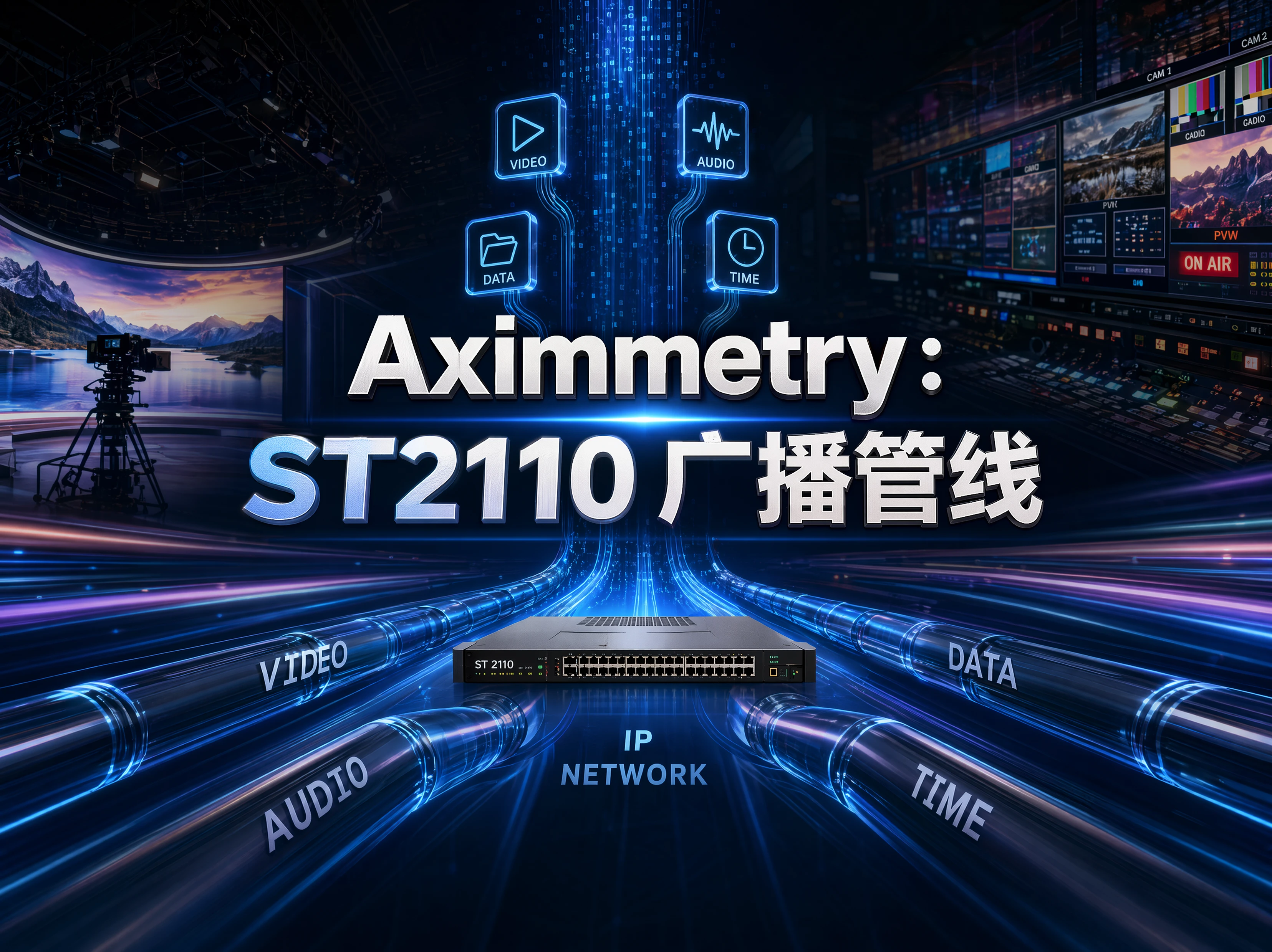
As the global broadcast television industry fully enters the all-IP era, the SMPTE ST 2110 protocol suite and PTP (IEEE 1588 Precision Time Protocol) have become the rigid infrastructure for provincial and national-level converged media studios.
Under the ST 2110 architecture, the traditional single SDI physical cable is completely deconstructed—video (ST 2110-20), audio (ST 2110...
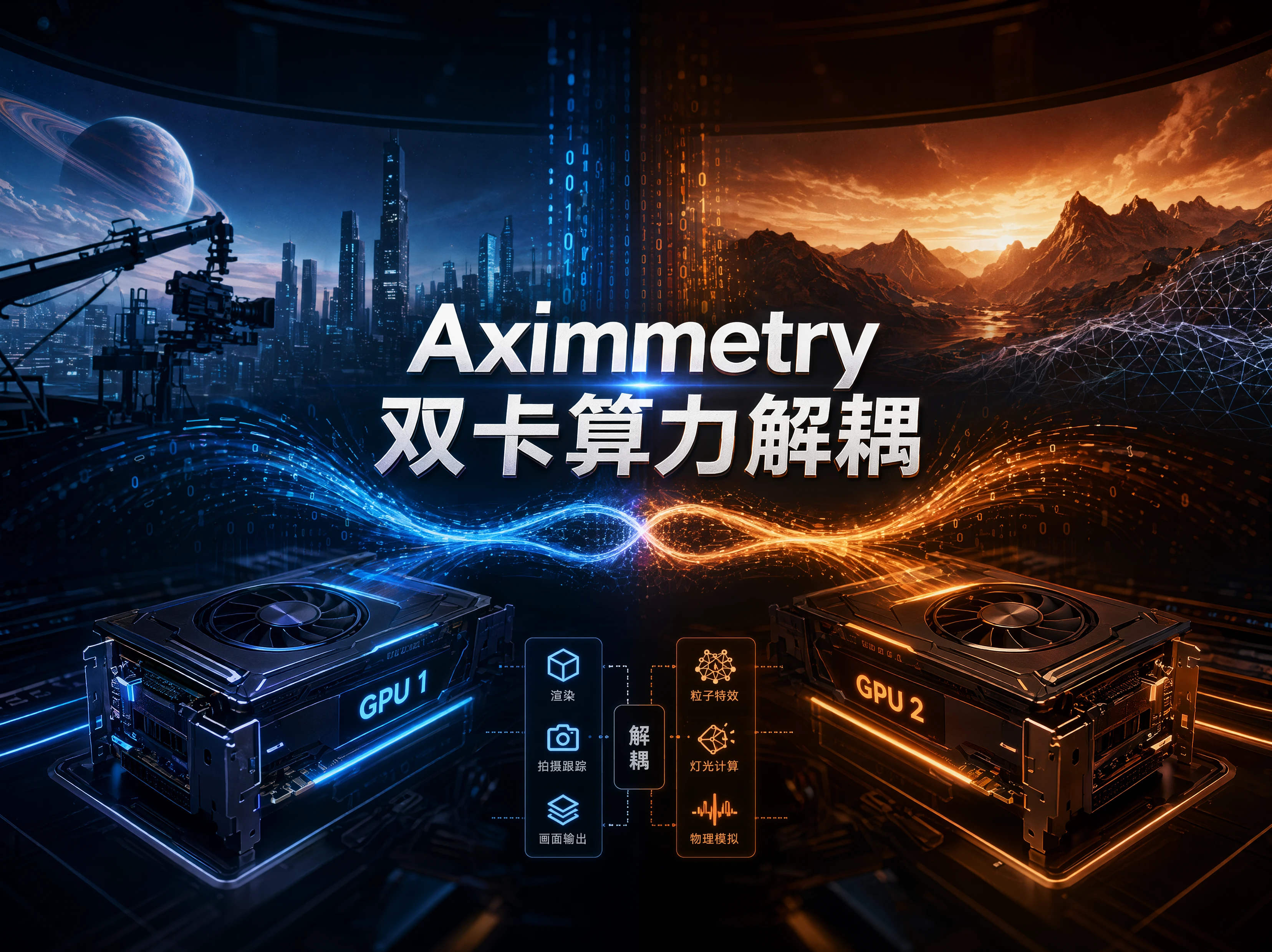
Under the extreme workload conditions of 4K/8K broadcast-grade virtual production (VP), technical teams often encounter the “GPU compute ceiling” on a single workstation.
In television broadcasts, large-scale galas, and esports live streams, the breakout application of AR (Augmented Reality) virtual elements has long been commonplace. However, when a virtual dragon soars above a real stadium, or a virtual skyscraper rises from the center of a real stage, the technical team inevitably encounters a fundamental pain point concerning spatial order: “Depth Occlusion Failure between virtual and real spaces.”
The most classic
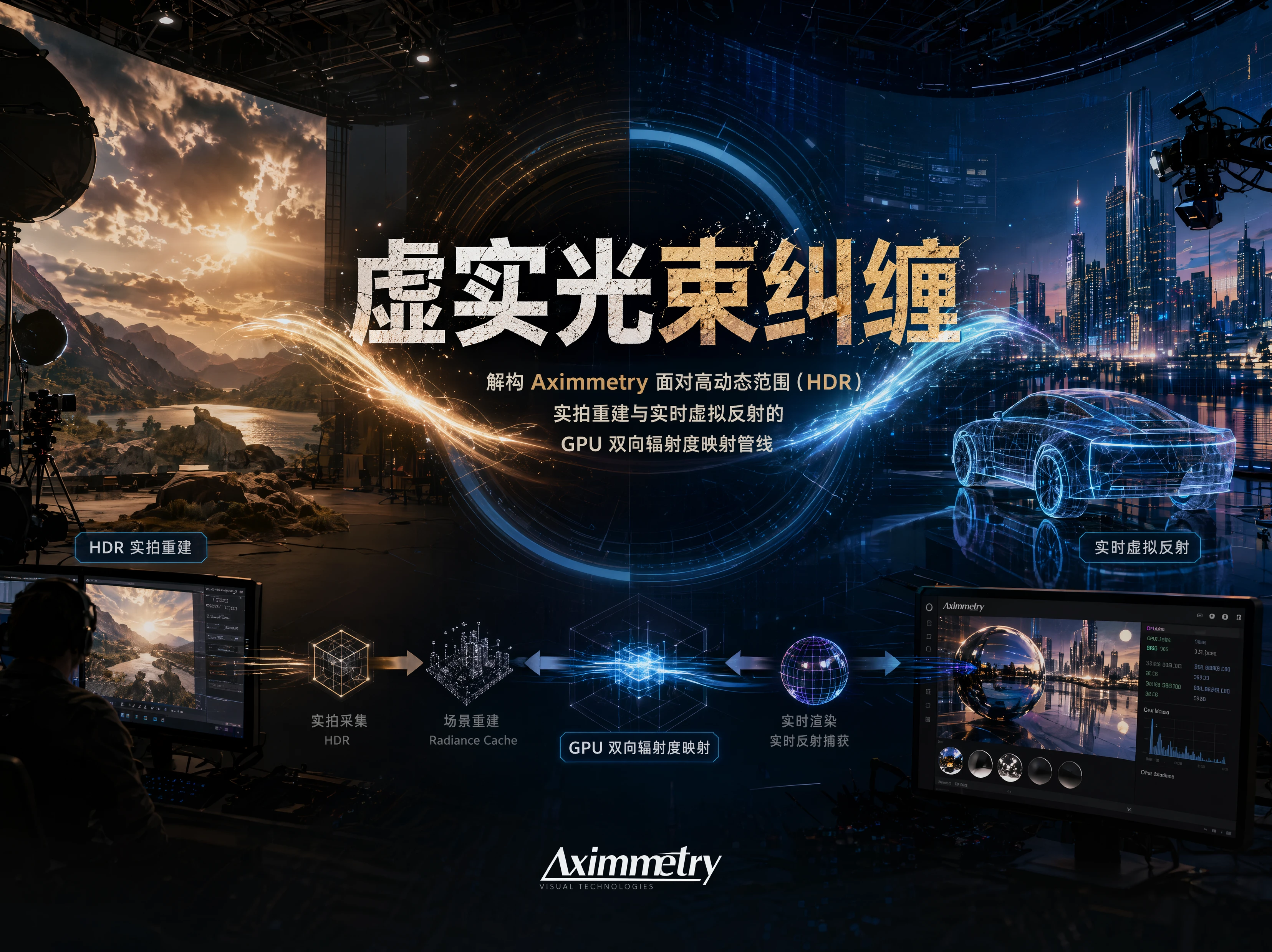
At the forefront of top-tier commercial ads, high-tech product launches, and cinematic virtual production (ICVFX), the ultimate level of blending reality and virtuality is “optical indistinguishability.”
Imagine an extreme shooting scenario: an actor wearing a highly reflective metal armor suit stands in a green screen or LED volume. In the 3D virtual world, a futuristic virtual sports car with high-beam headlights drives toward them. At this point, the audience should clearly see in the final image
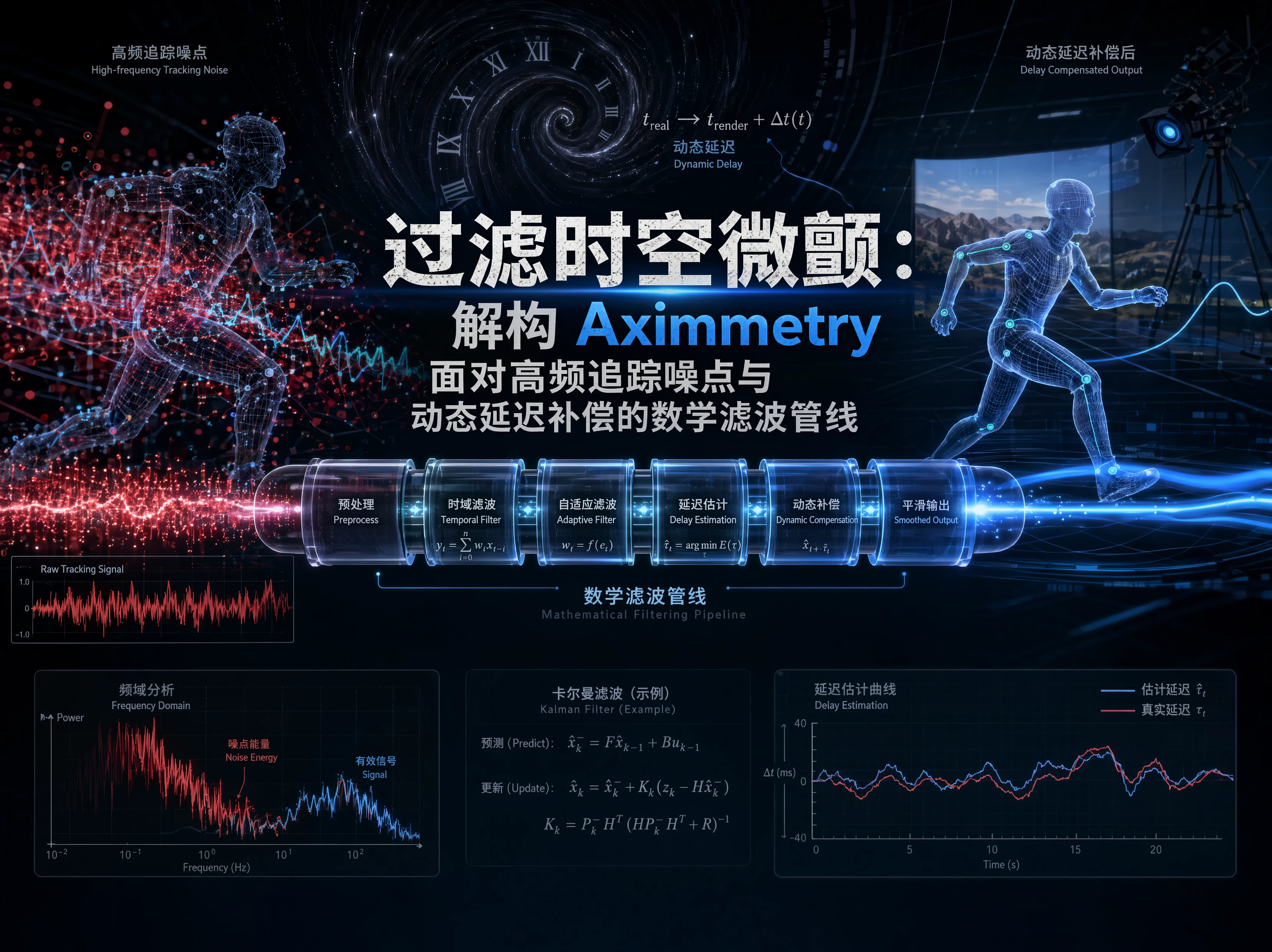
In the actual execution of virtual production (VP) and augmented reality (AR), the most common underlying issues that technical teams encounter are often not the rendering detail of the image, but the micro-jitter and slippage of visual perspective.
When the camera is stationary or performing an extremely slow pan, the virtual background or AR elements on the large screen suddenly exhibit a very faint, imperceptible to the naked eye but instinctively sensed by the brain, “micro-tremor”; or,
 简体中文 简体中文
  English